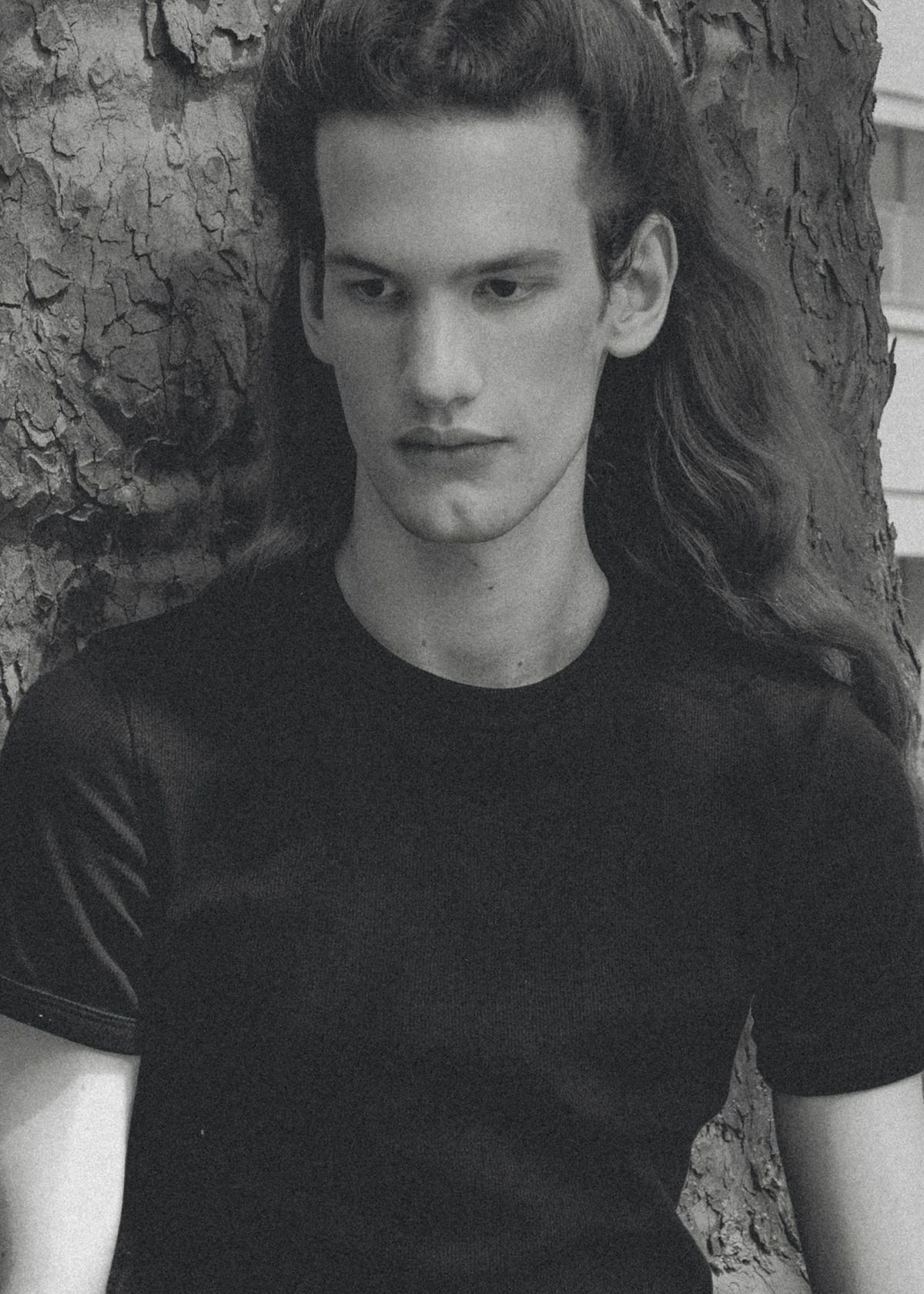
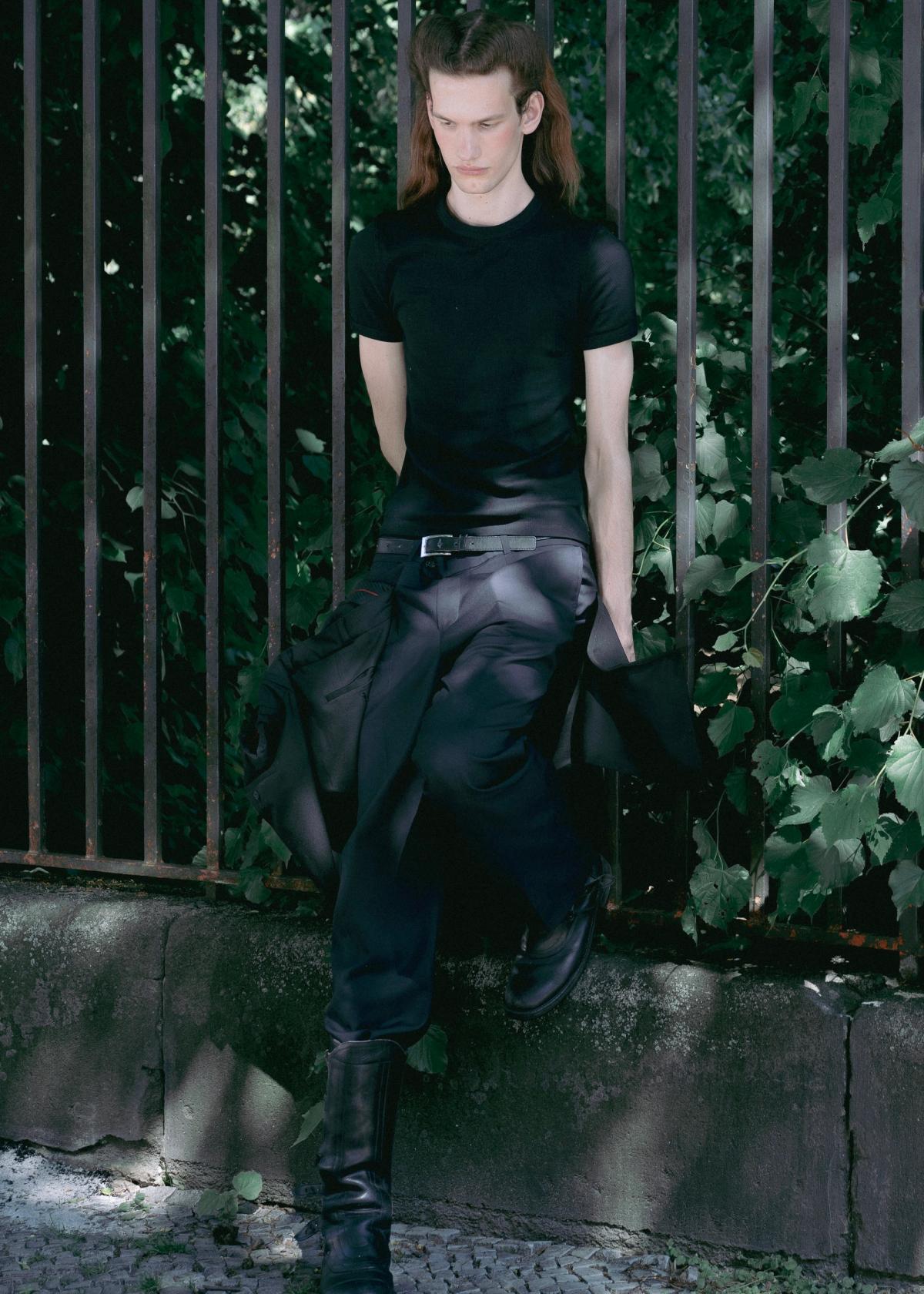
GrygorII
height: 193
chest: 84
waist: 61
hips: 87
shoes: 43
hair: brown
eyes: hazel
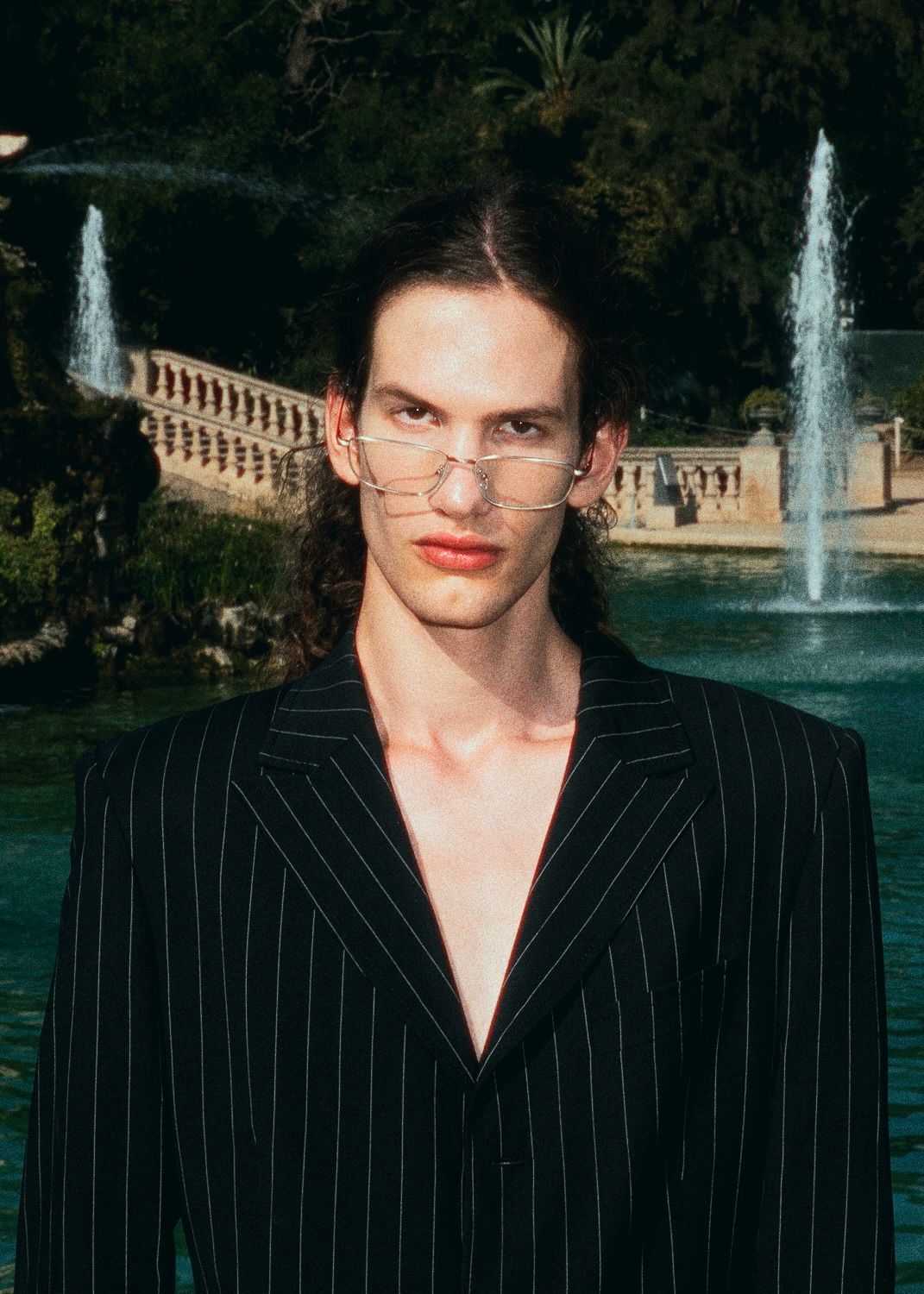
How would you describe your personal visual code?
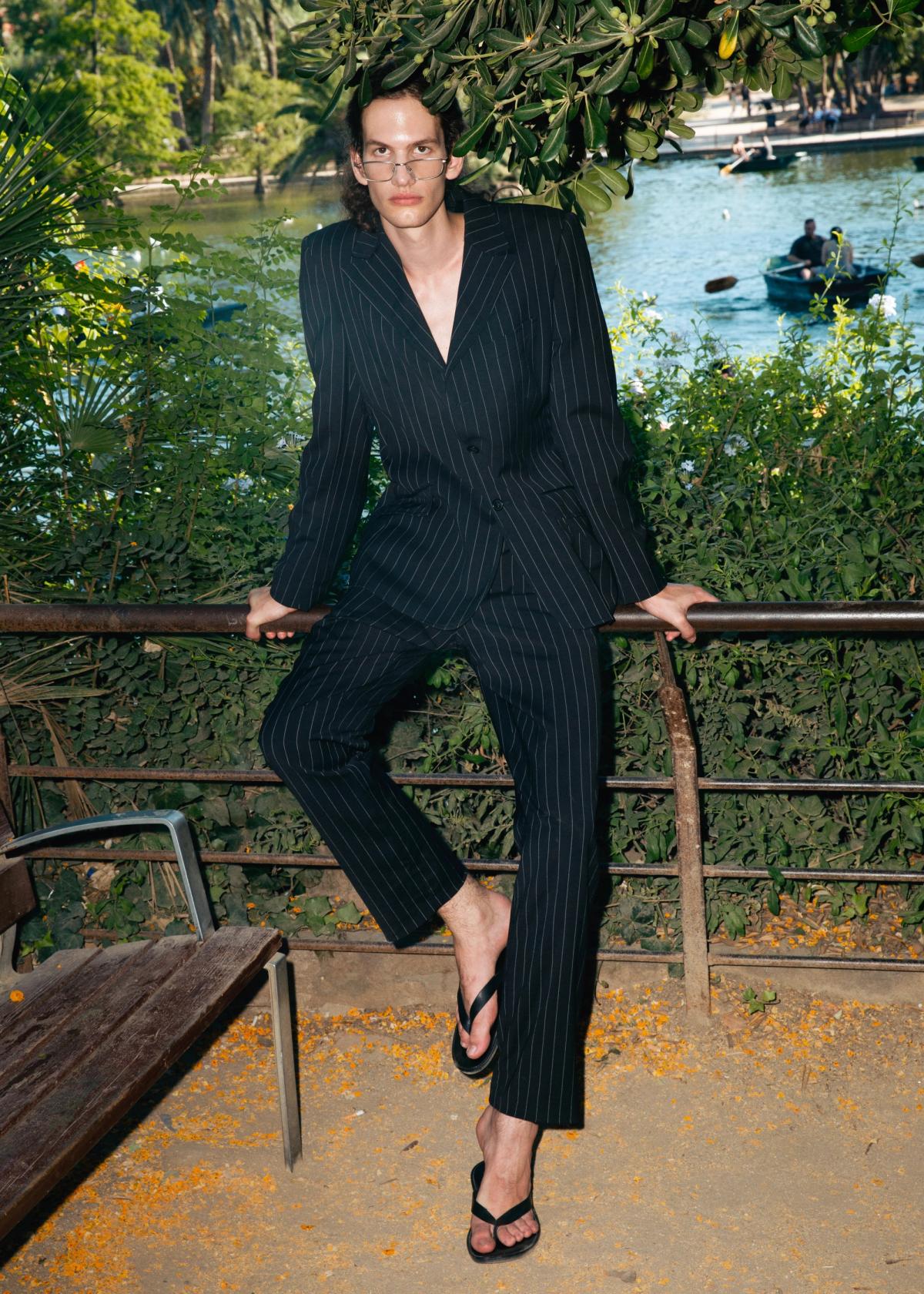
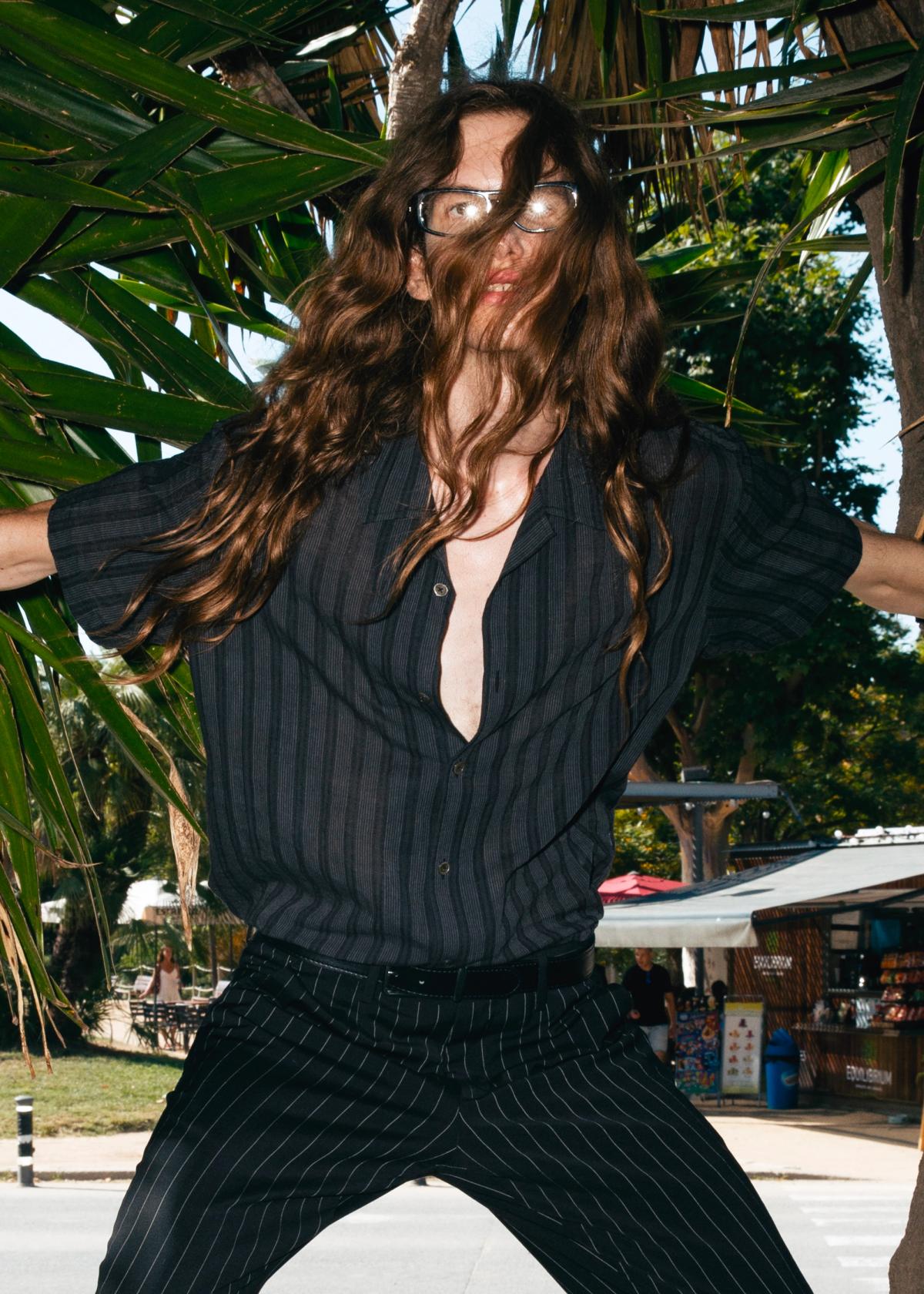
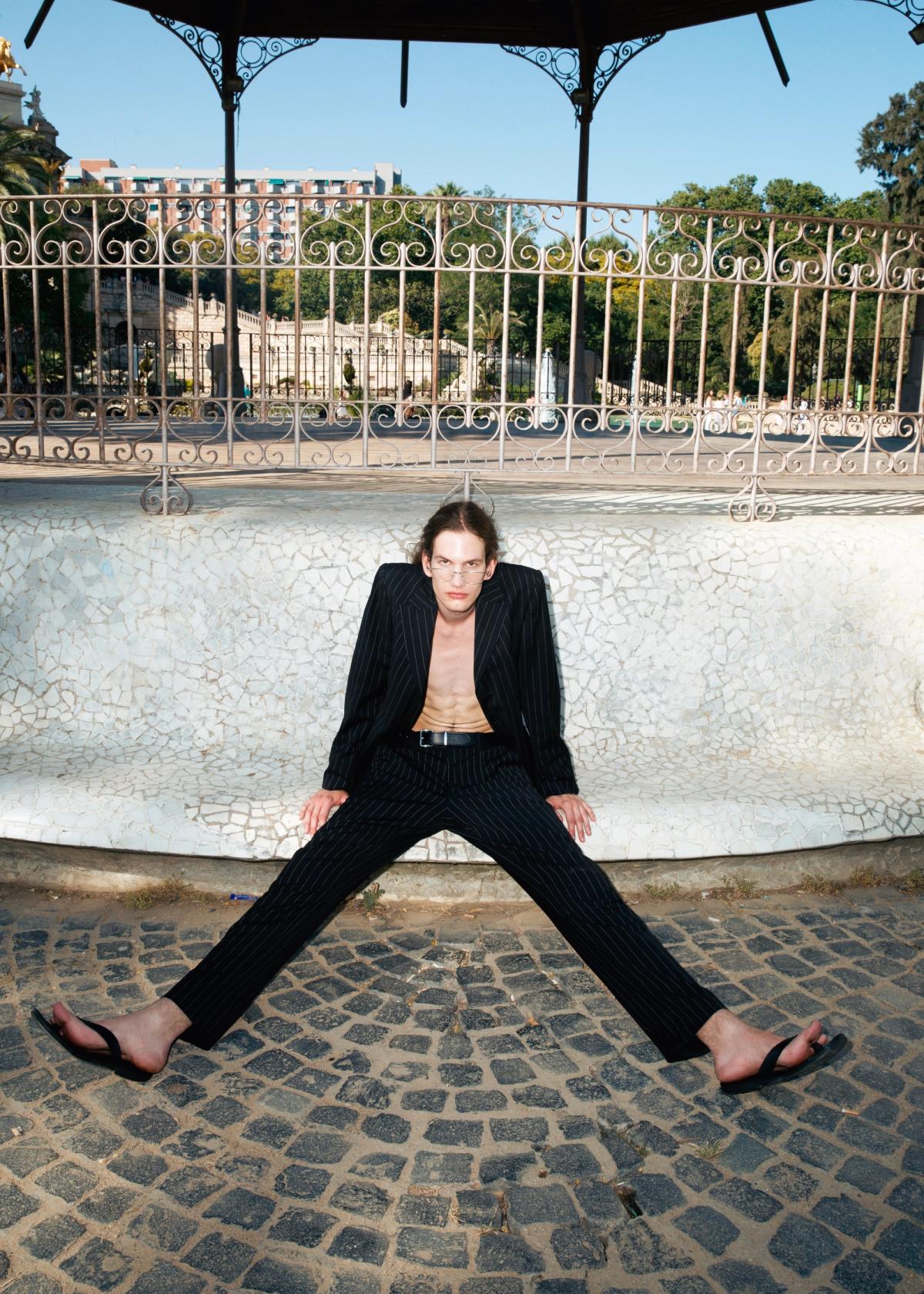
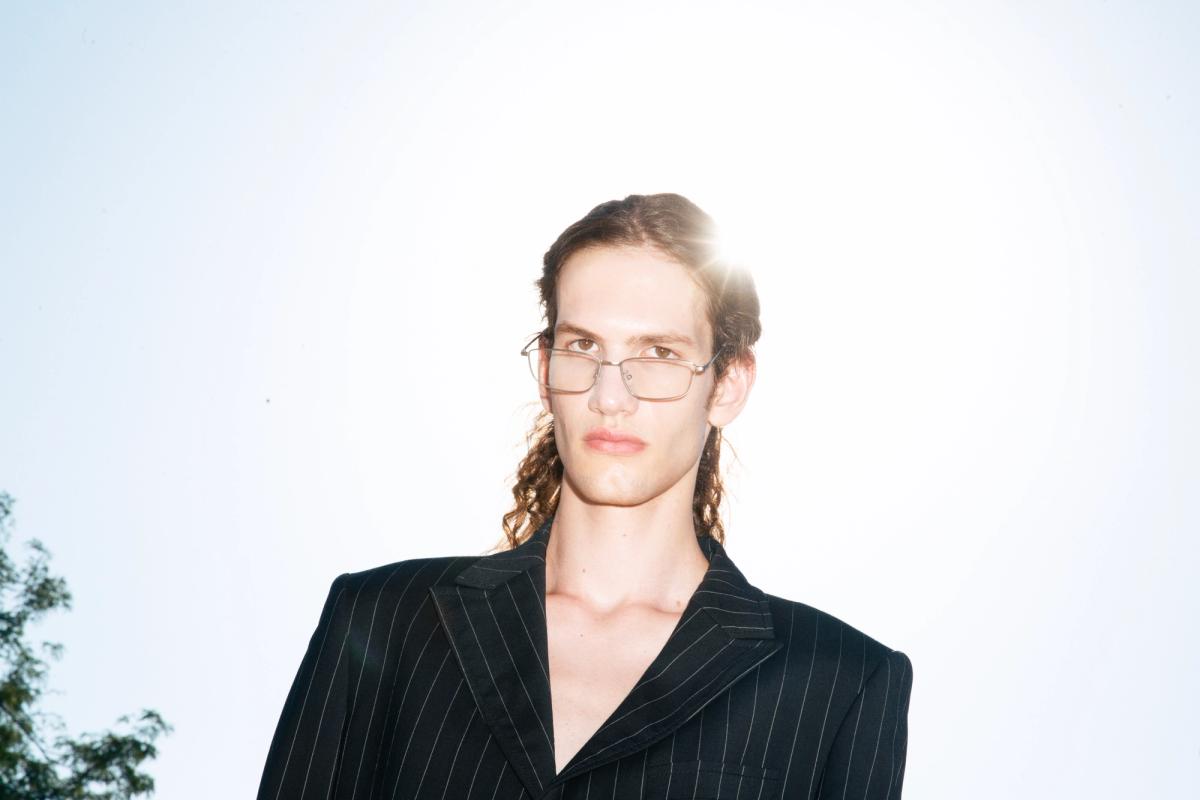
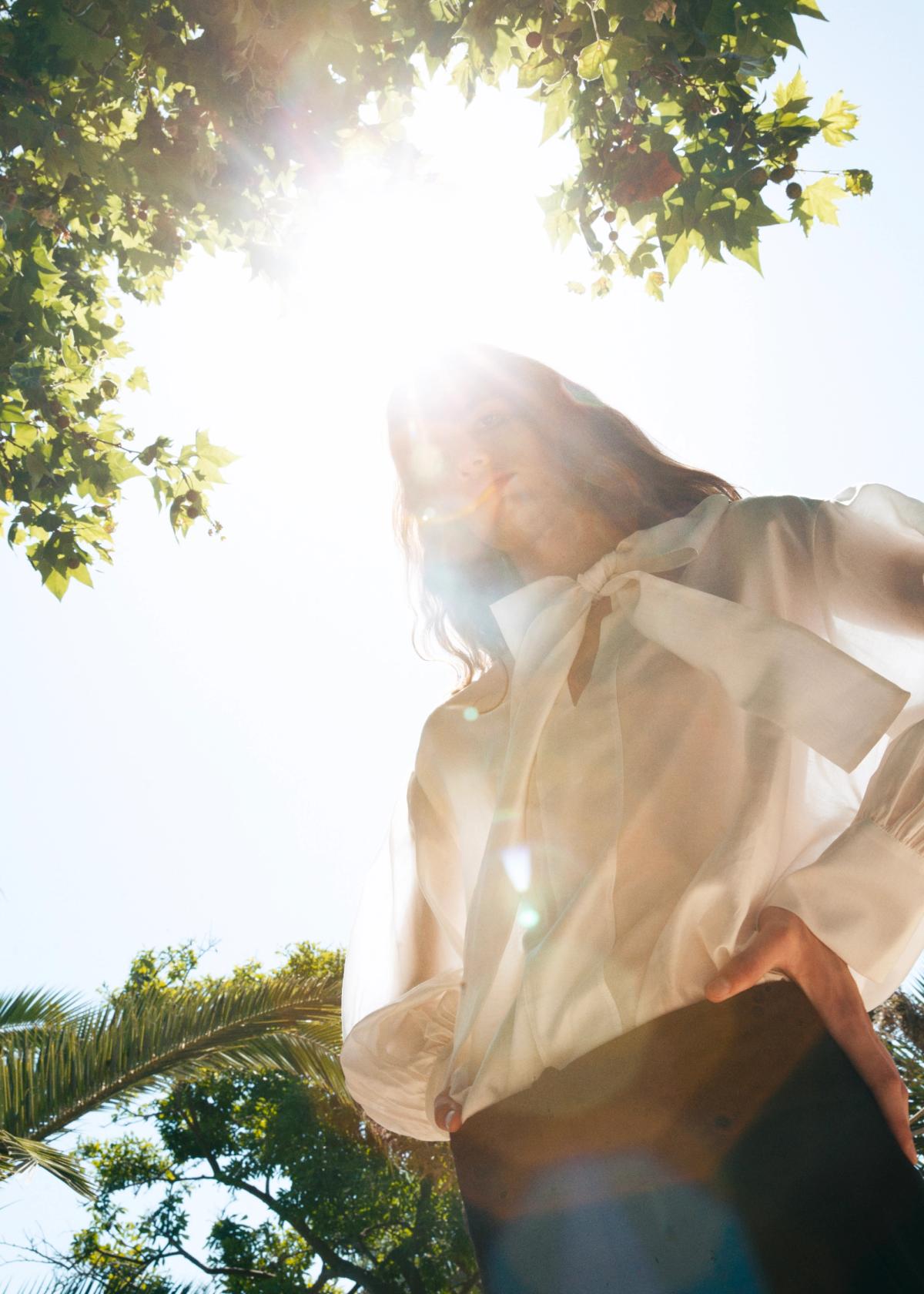
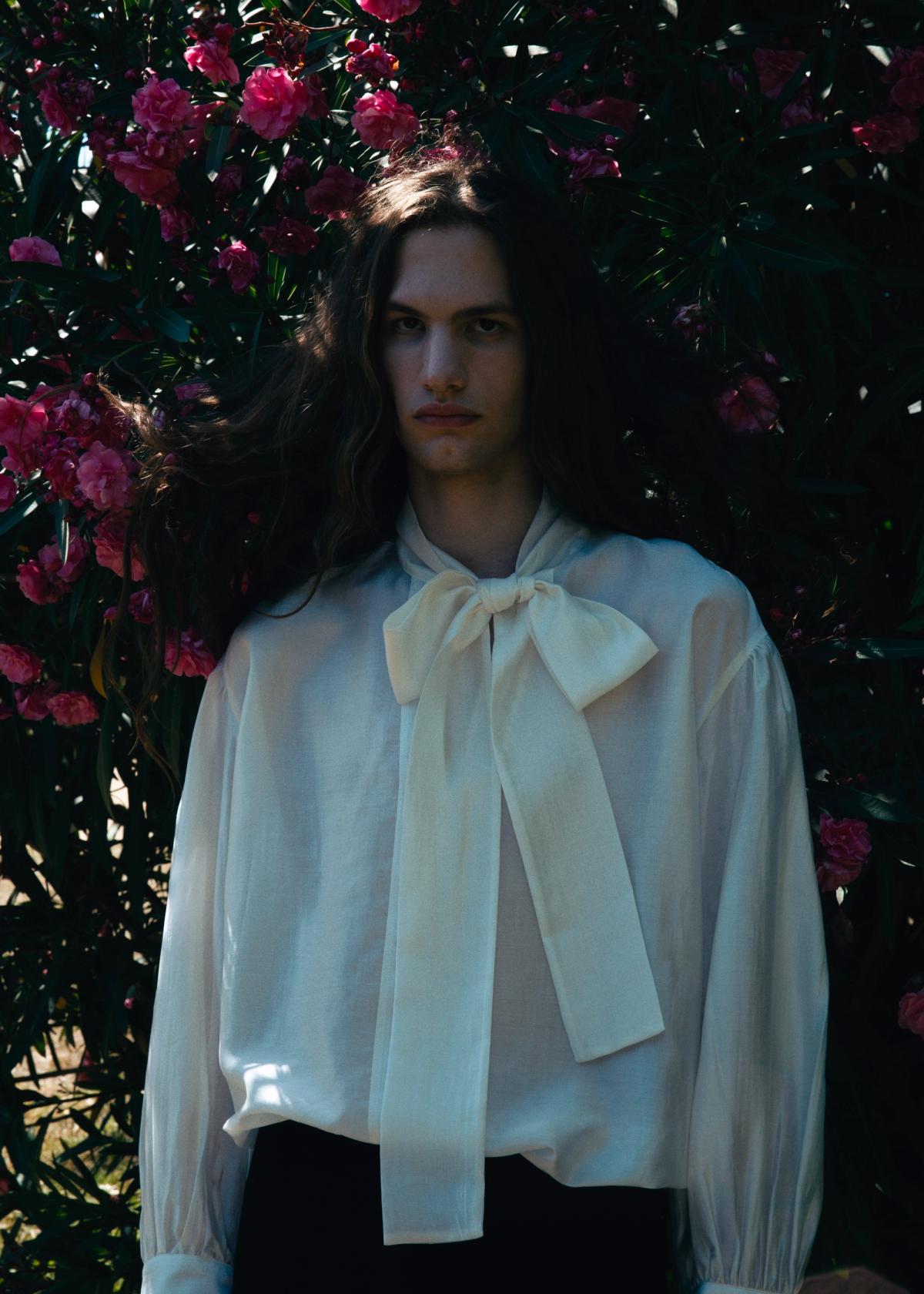
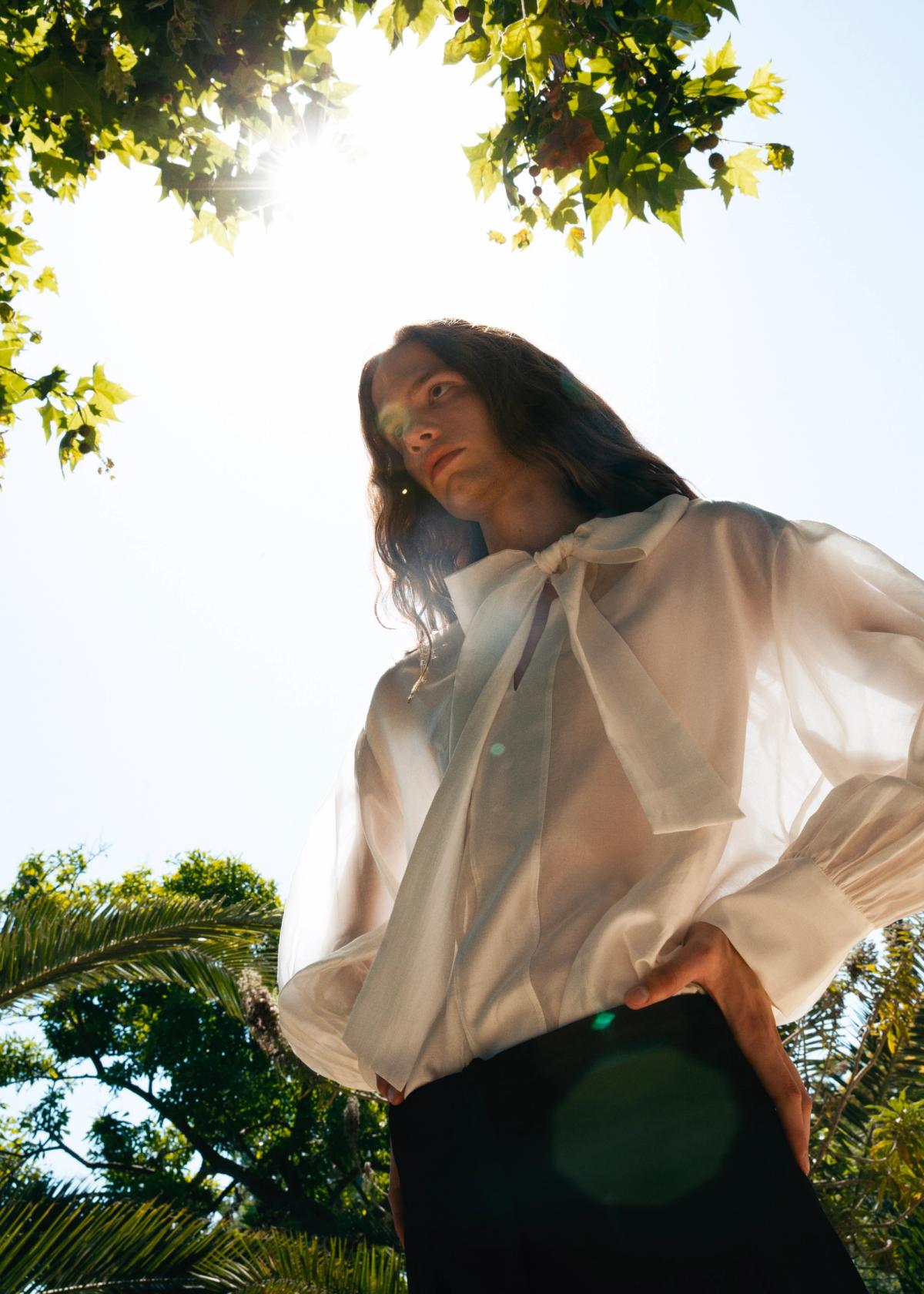
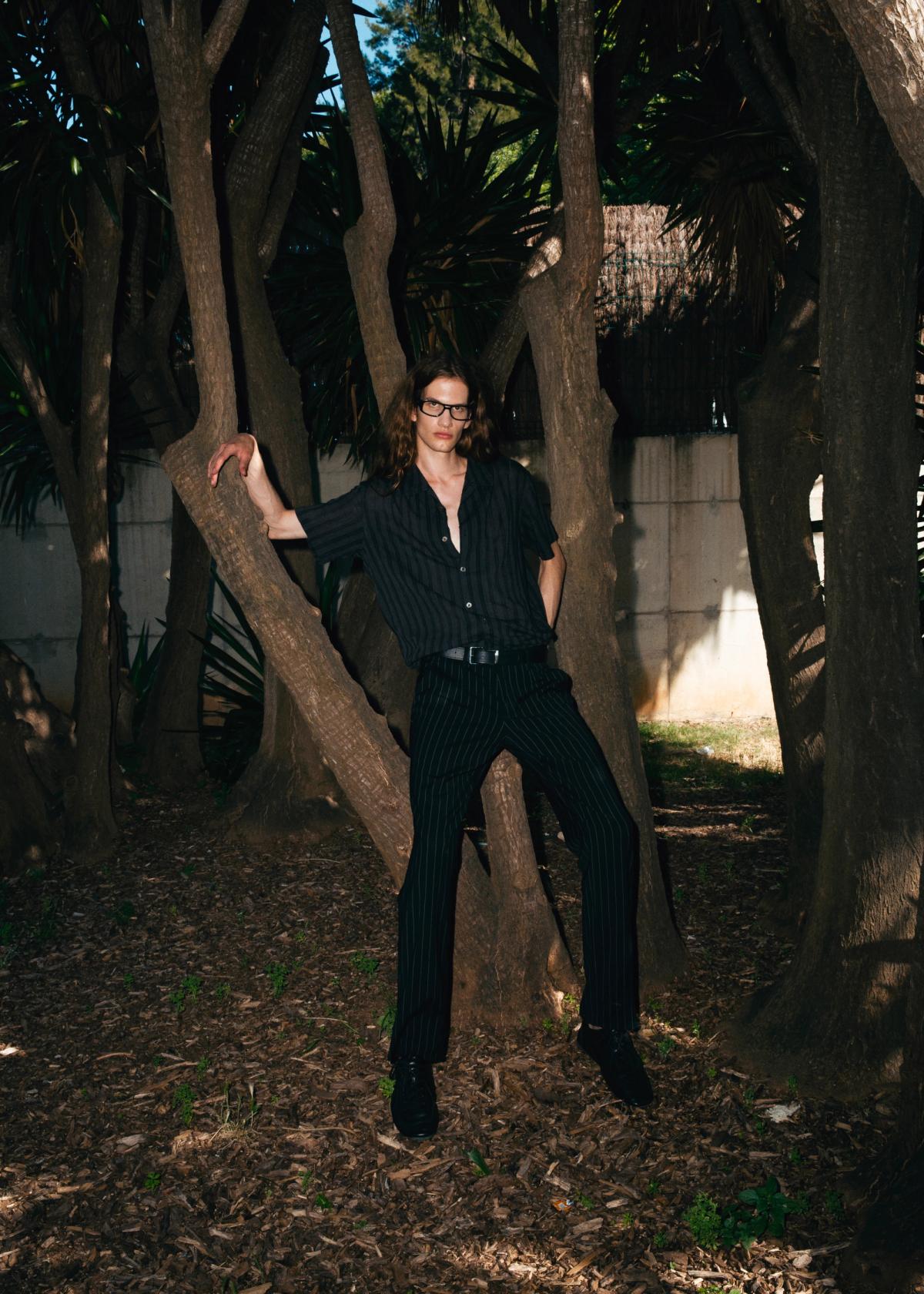
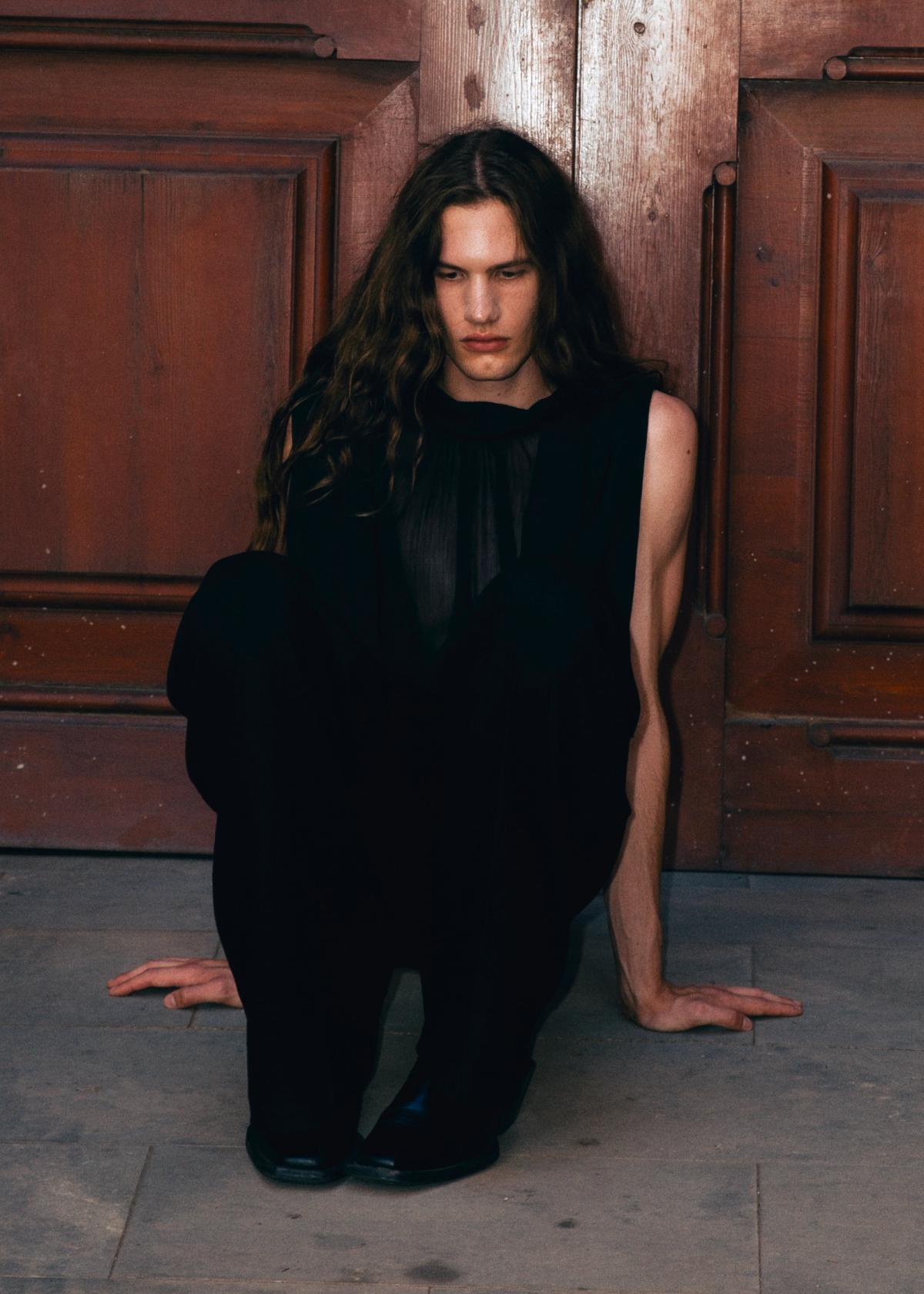
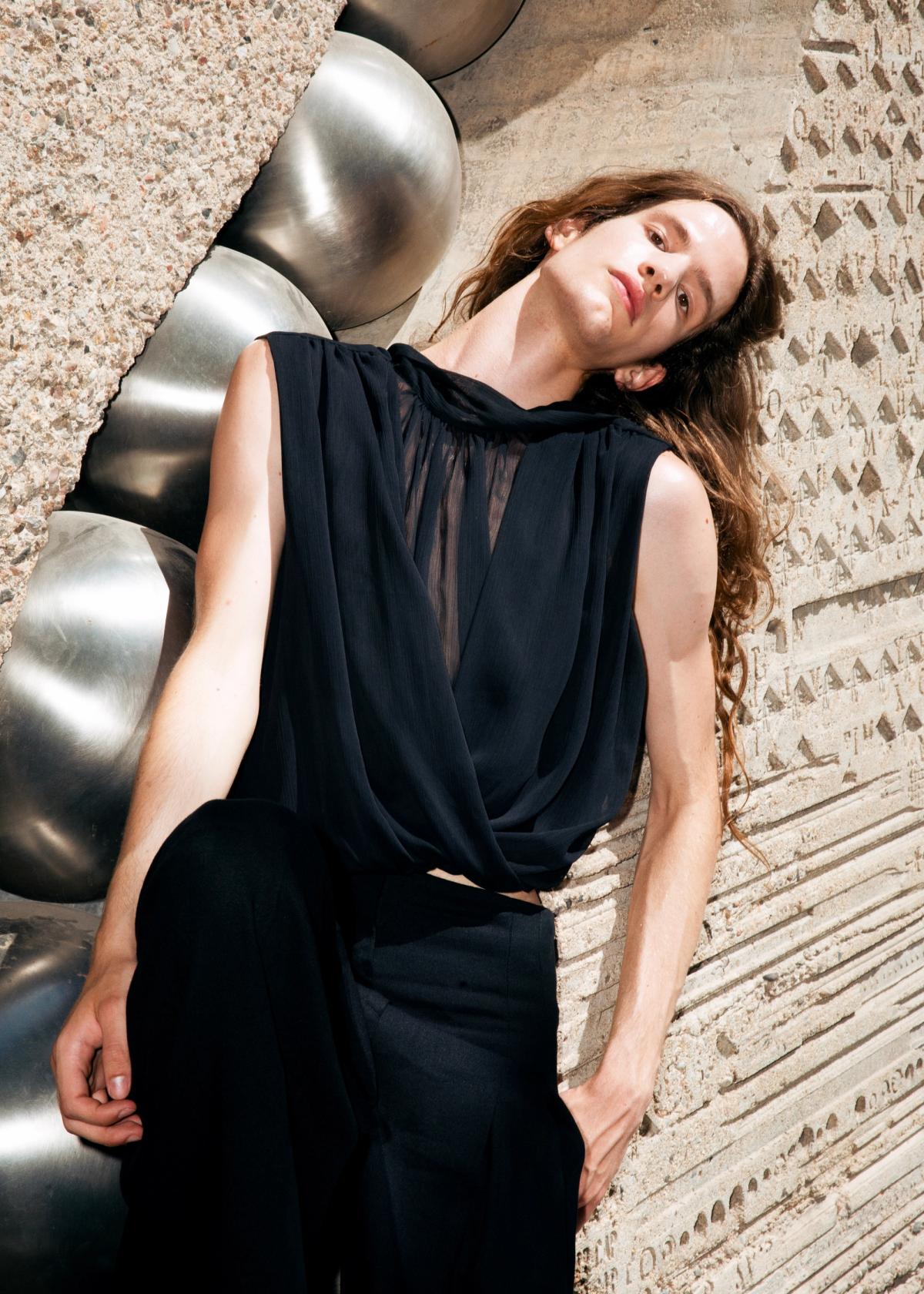
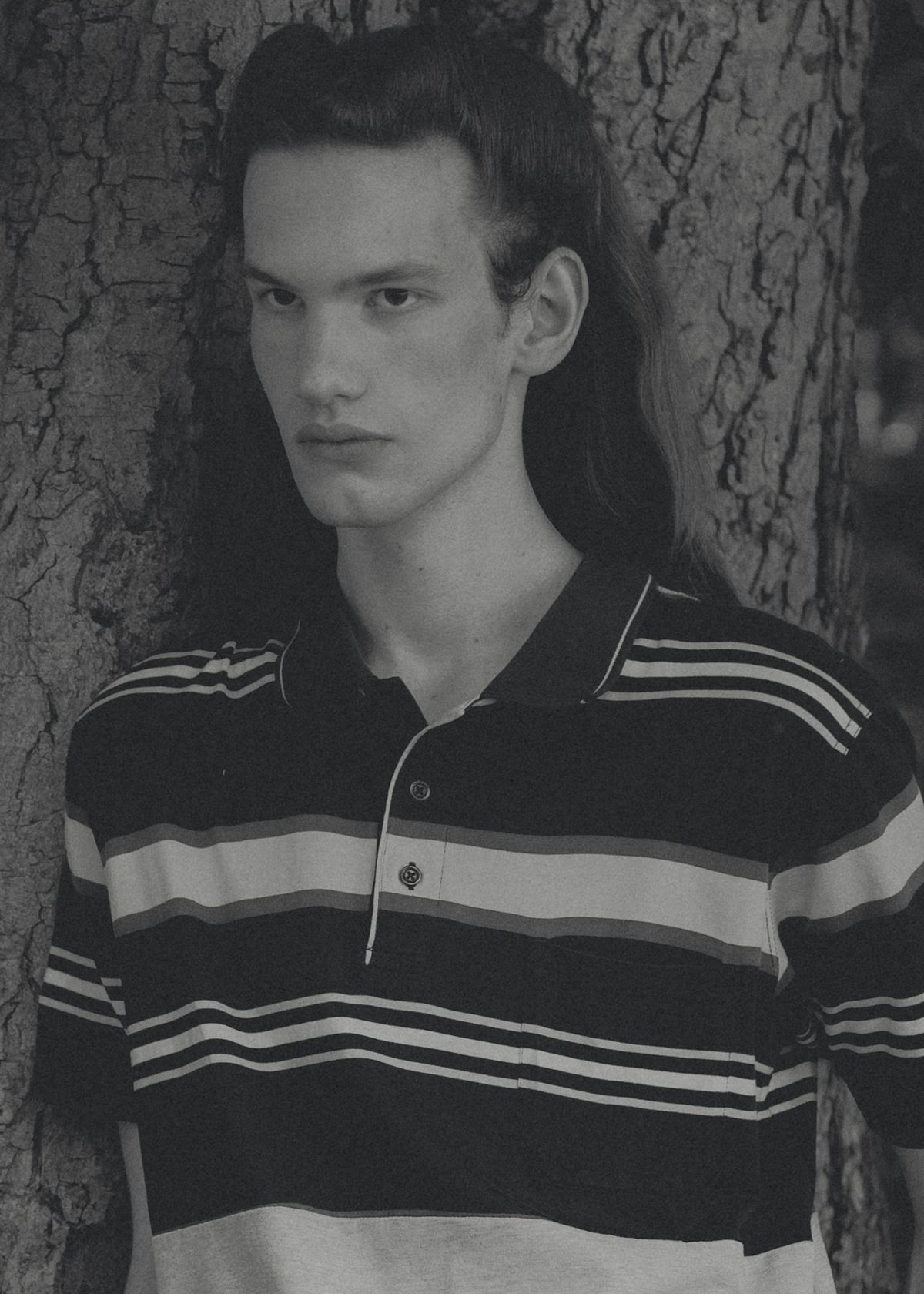
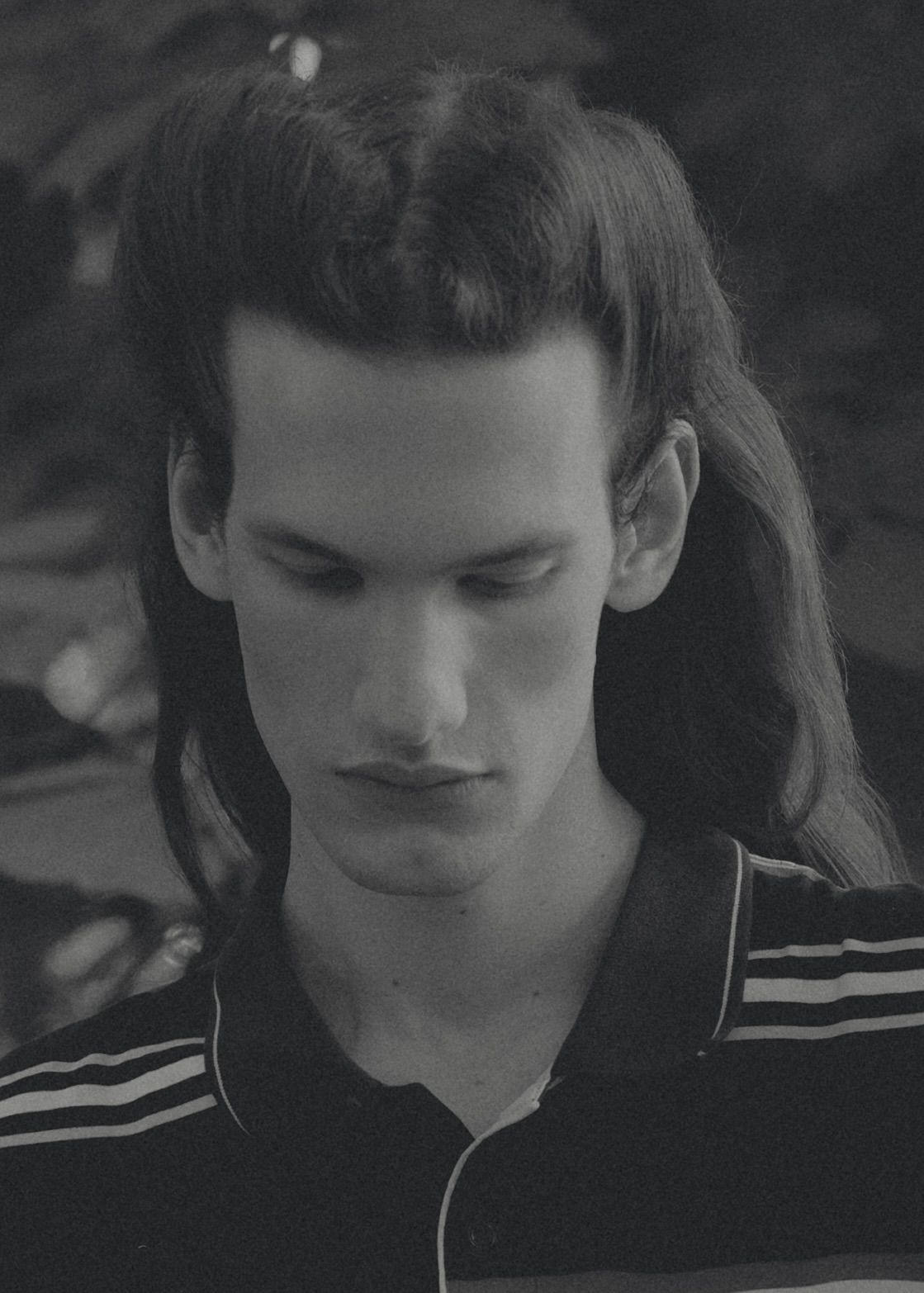
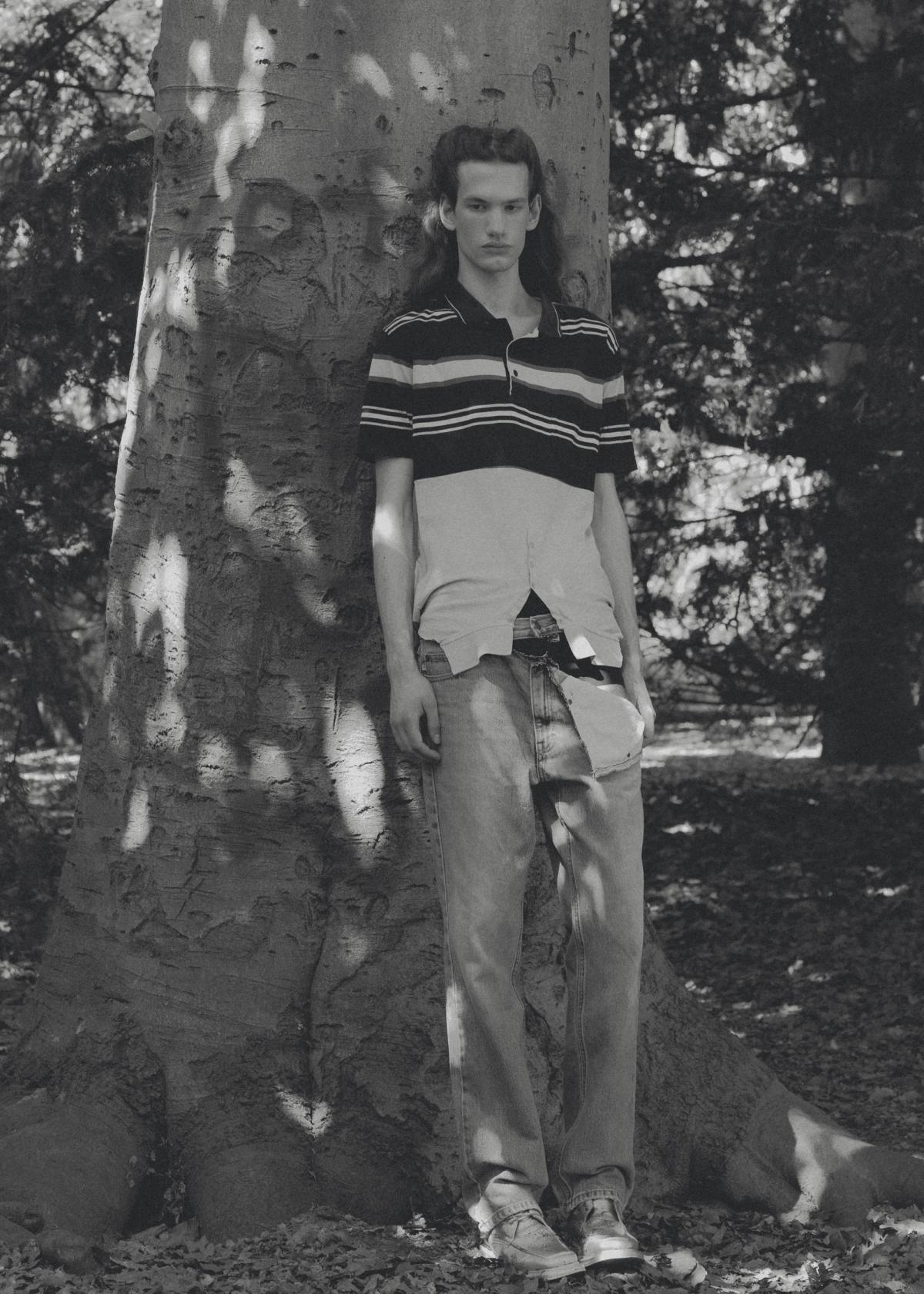
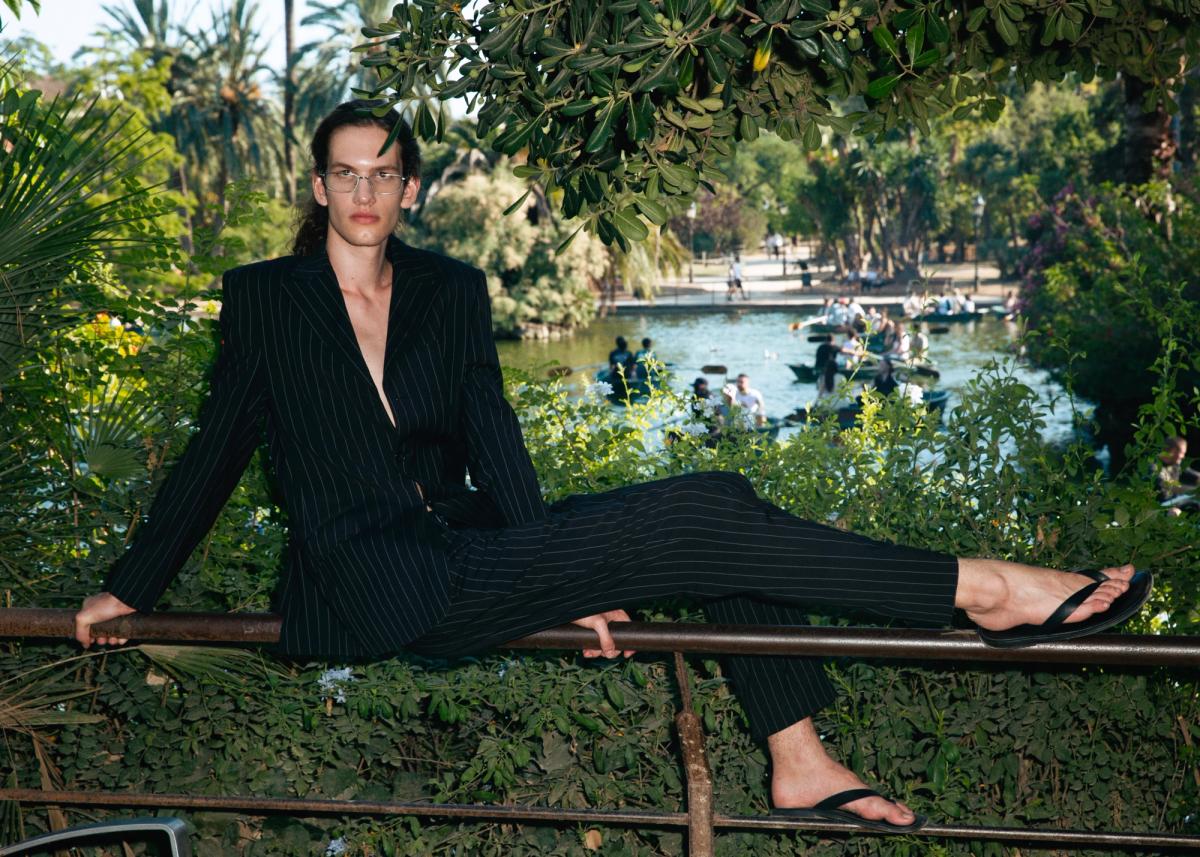
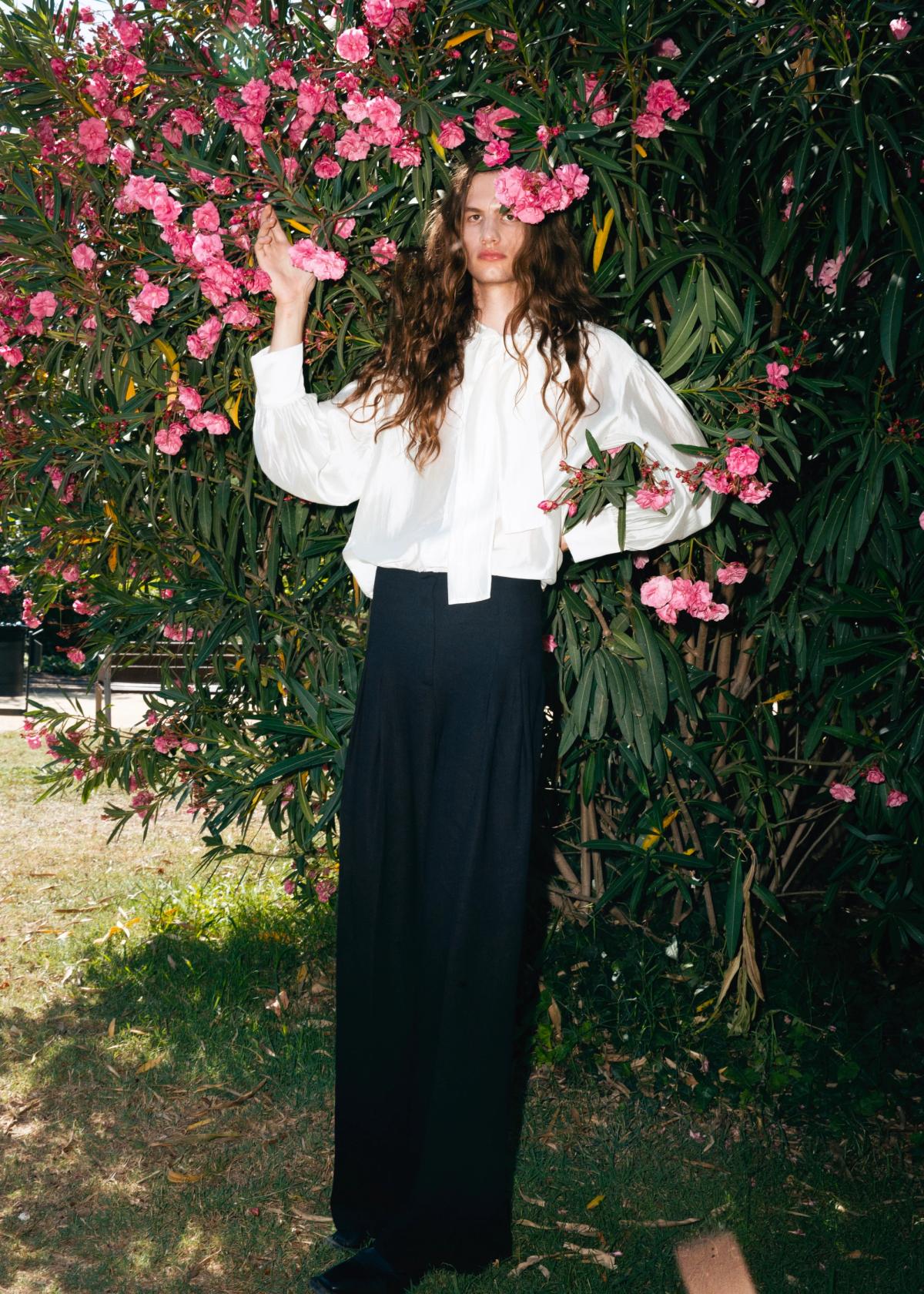
My look is all about moody, understated edge. I stick to a clean, mostly dark palette with relaxed, often androgynous fits. It's effortless but very intentional, finding a visual balance between raw and clean.
What fashion eras or designers shape your aesthetic? My aesthetic is essentially a constant oscillation between two moods. On one hand, there's this 90s rockstar-meets-hobo vibe, something relaxed and effortless. On the other, I shift into a more calculated, dramatic look, think Rei Kawakubo's Count Dracula. It's the tension between that lived-in energy and the sharp darkness that defines my inspiration.
How do you relate to the concept of fashion as art? I see fashion as art, but I'm not interested in "fashion" as a rigid system. To me, it's a constant contradiction. I value precision and structure, but I'm always drawn to the unpolished. It's the tension between those two sides, the desire for order and the need for chaos, that makes it art for me.
What unusual shoot concepts have you particularly remembered? The most memorable shoot was definitely in a closed church, where I stood there holding a crossbow in a dress made of shirts with world leaders' faces on them, like weaponized politics in a place of worship.
How do you interact with trends: follow, transform, or avoid?
Transform, to avoid.
How do you deal with anticipation and stress to maintain energy and inspiration? I treat anticipation as a way to get focused rather than stressed. I don't fight the pressure, I just use that energy to get into the zone. To keep my inspiration fresh, I balance staying busy with taking real breaks, like watching a good film or just stepping back. It helps me stay sharp and authentic without burning out.
What role do music and street fashion play in shaping your image? Music is the biggest thing in my life, and it's been that way since I was a child. I spent fourteen years playing piano, which shaped how I see the world. Music hits a level that other art forms just can't reach, and that depth directly influences my style. If a track has a certain vibe, I naturally pick clothes that match that same energy. For me, street fashion is just the visual extension of what I'm listening to, it's how I express that mood in real life, and honestly, the headphones stay on the whole time.
What magazines, books, or other resources do you read for inspiration?
To find perspective and grounding, I often read my grandfather's memoirs about surviving the war and the Gulag, those stories give me a sense of resilience and strength that keeps me focused. When it comes to fashion, I turn to System Magazine, it's not just about clothes, but about the intellectual mechanics of the industry, which feels much more honest to me. And honestly, I'm just as curious about biology and the natural sciences. I love understanding the "why" behind things, whether it's the structure of an ecosystem or the deconstruction of a garment, that kind of fundamental truth is what fuels my creativity.
Why do you think it's so important to know the industry from the inside, rather than just being the face of a brand? Understanding the industry from the inside gives me the agency to actually contribute, rather than just being a placeholder for someone else's idea. It's about having a voice in the room.
How do you prepare for shoots and shows to best fit the aesthetic of a brand or industry? My preparation is really about getting into the right headspace and feeling good in my own skin. I'm pretty disciplined with my routine, simple things like sleep, nutrition, and taking care of my body, because it helps me feel consistent and ready to work. Beyond that, I spend time looking into who I'm working with. I try to understand the brand's or photographer's vision and identify what drew them to me in the first place, so I can lean into that energy and give them exactly what they're looking for.
If you could choose another career that wasn't modeling, what would it be?
If I weren't doing this, I'd dive straight into microbiology. There's something fascinating about the microscopic structures that build our world, it's essentially the same deconstructive logic I love in fashion, just applied to the blueprint of life itself.
What quality do you consider your superpower? Positive composure. I stay calm when things go wrong, which helps keep the vibe on set focused and productive.
Recommend some movies to your followers that inspire you. Japanese horror movies for sure, for example Dark Water (2002) and Audition (1999). I'm drawn to their unique visual language and that subtle, slow-burn tension that defines their aesthetic. These films inspire me because they prove how minimalism and atmosphere can be more powerful than anything loud or overproduced.
Inspiration or discipline?
Somewhere on the edge. Sometimes I feel like discipline is the engine but inspiration is the fuel, or the other way around.
Dreams or action? Action.
If you could take part in a shoot with an iconic photographer, who would it be? Definitely Juergen Teller. His work feels refreshingly unrefined and captures that raw, human grit I'm drawn to.
Which legend would you like to do a shoot with? Arca. She completely blurs the line between human, machine, and art, and being part of a project that pushes those boundaries would be the ultimate challenge.