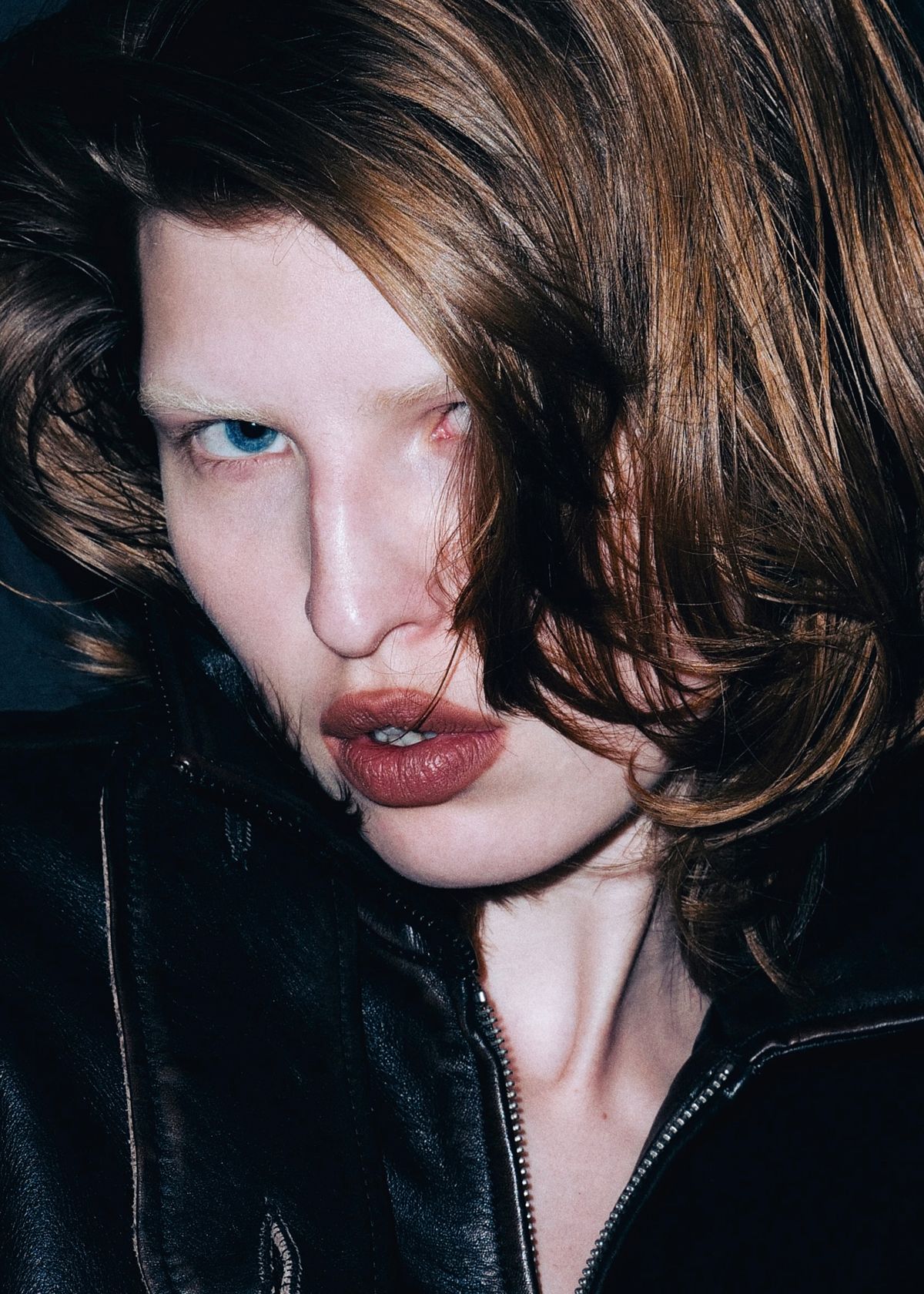
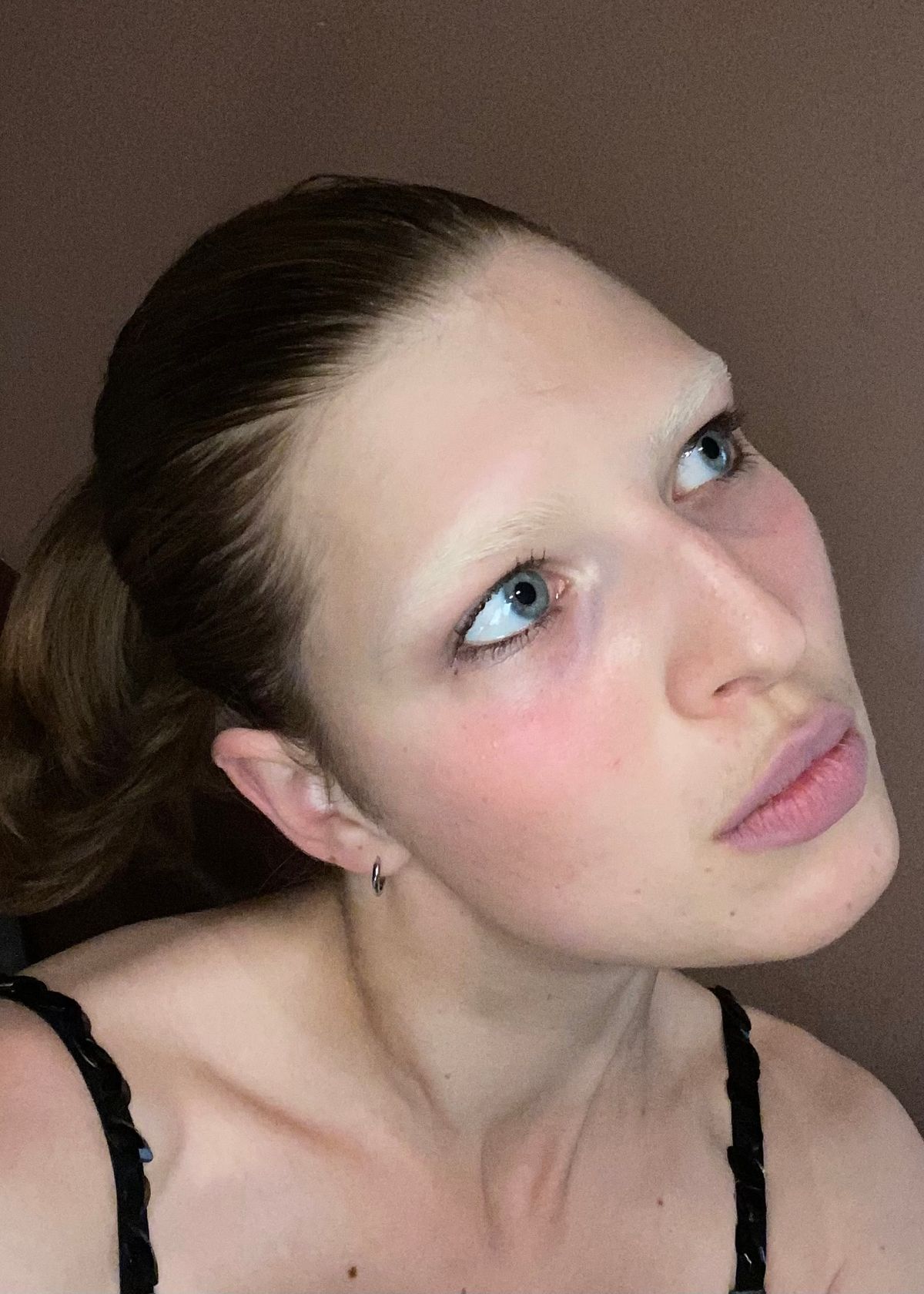
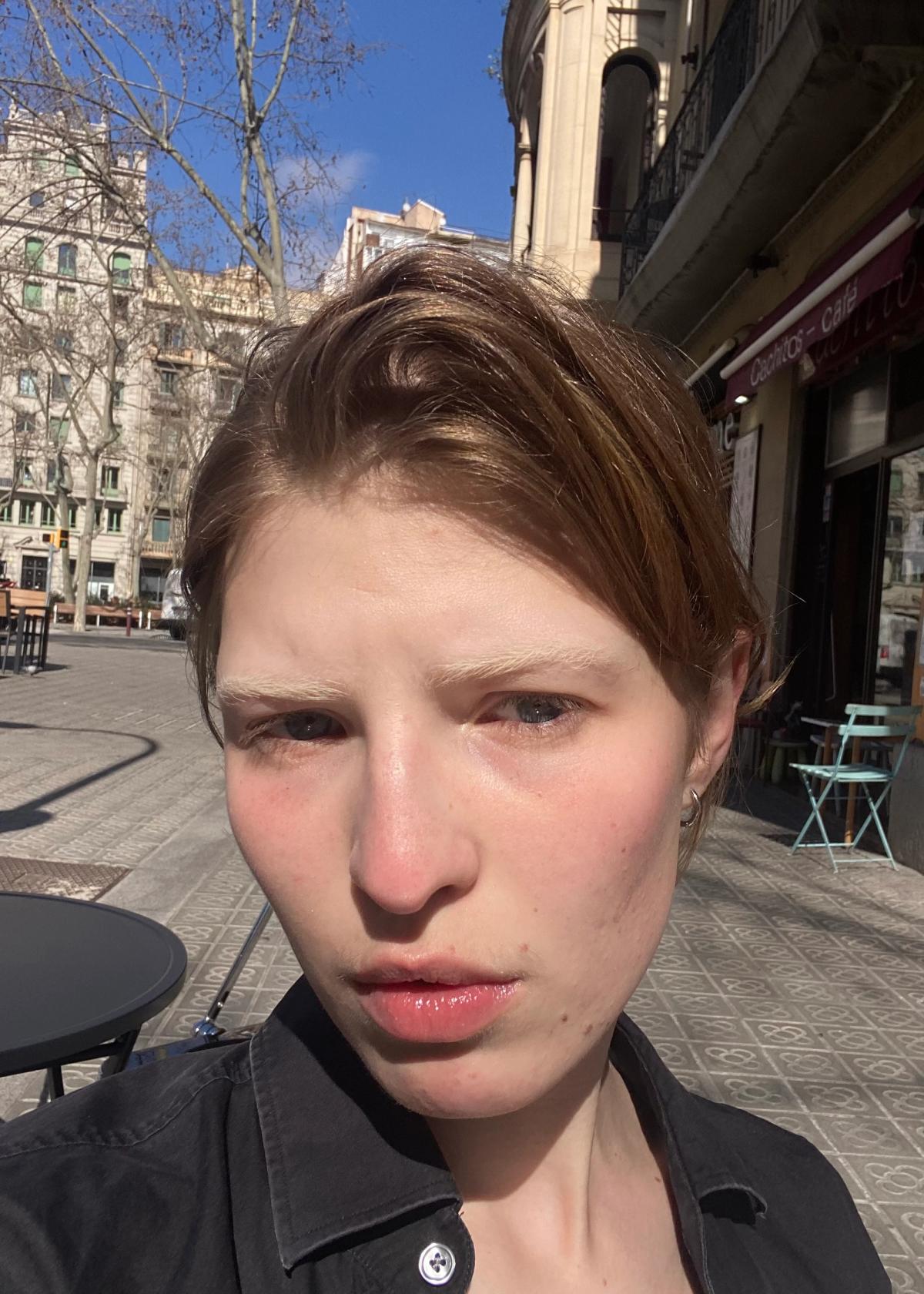
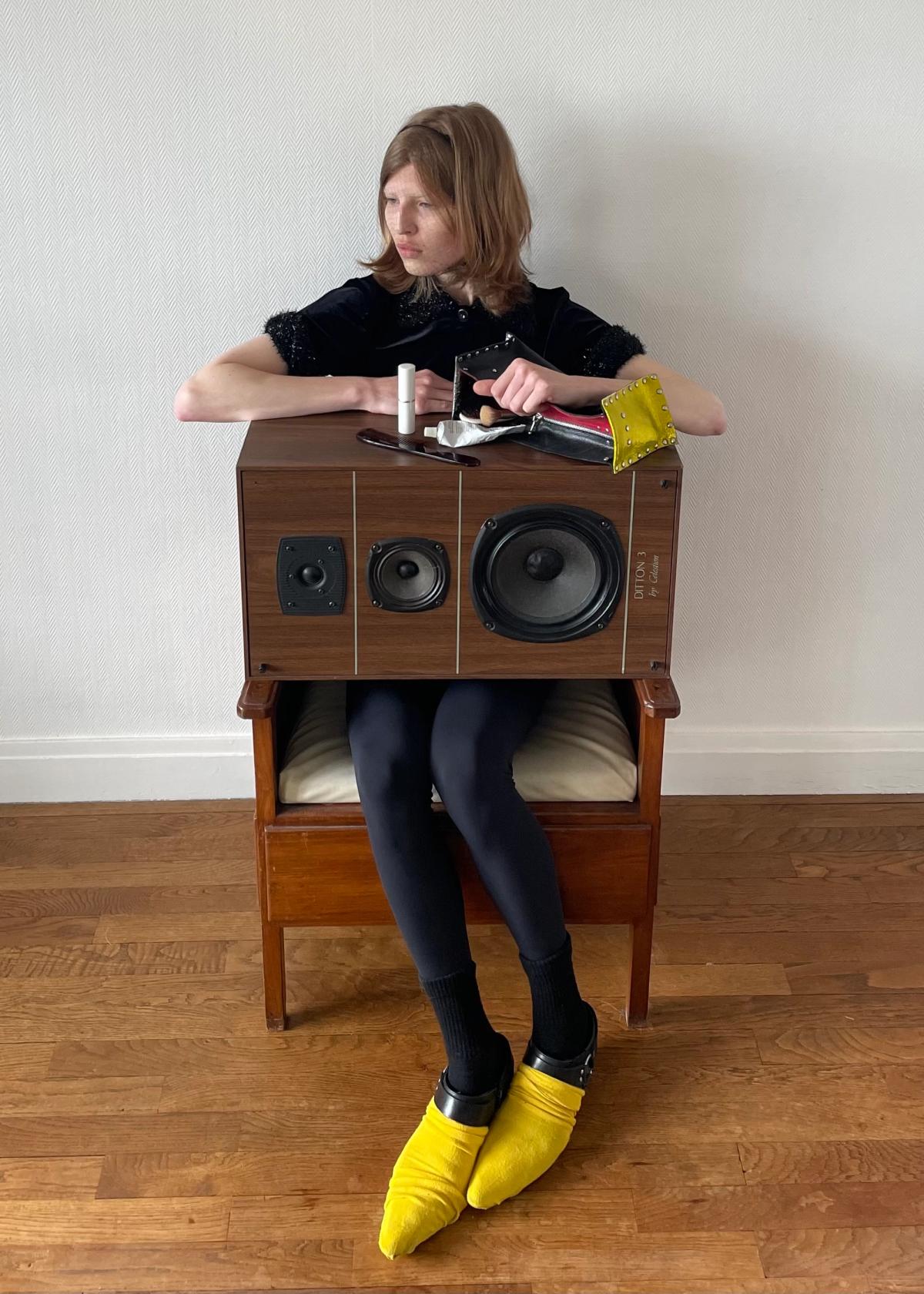
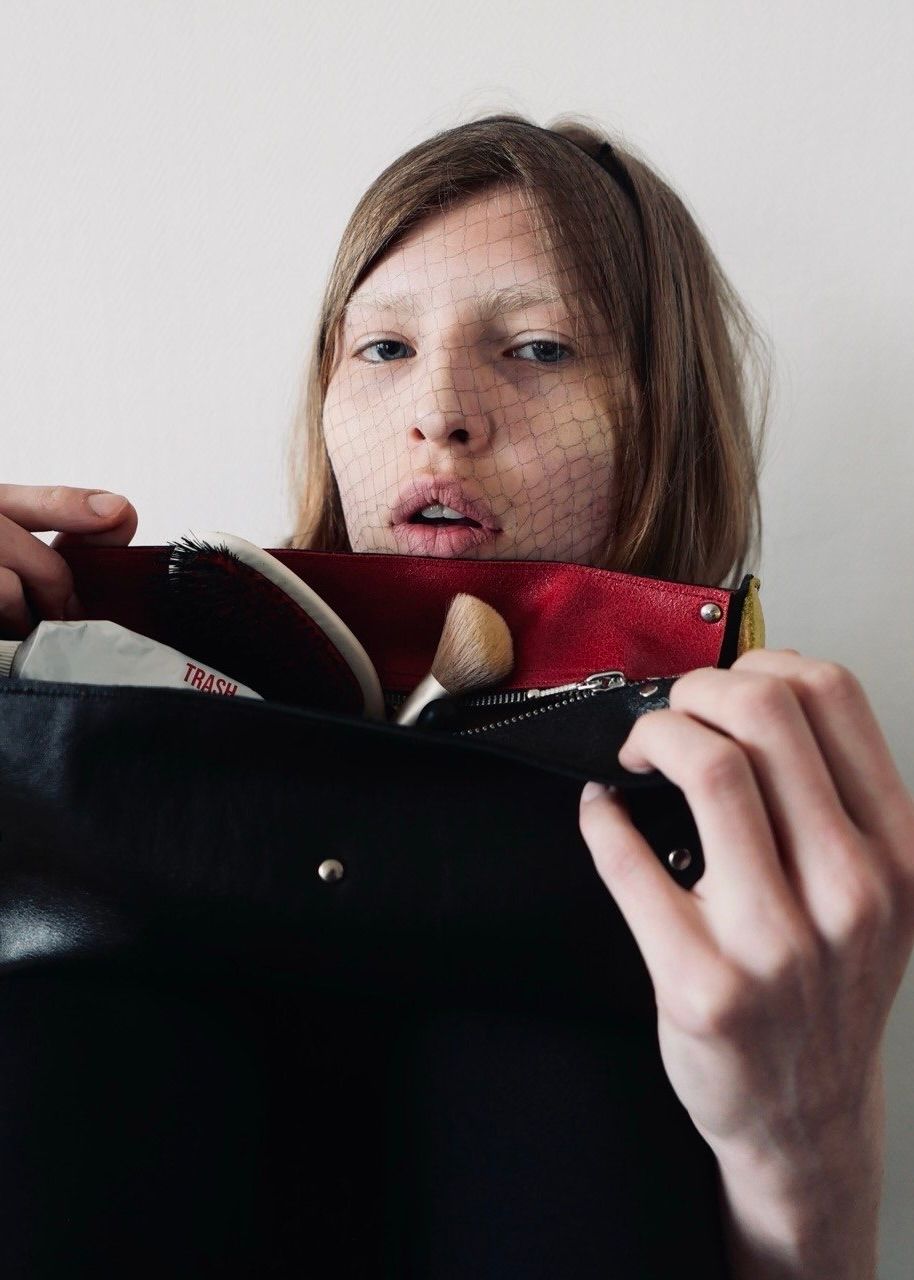
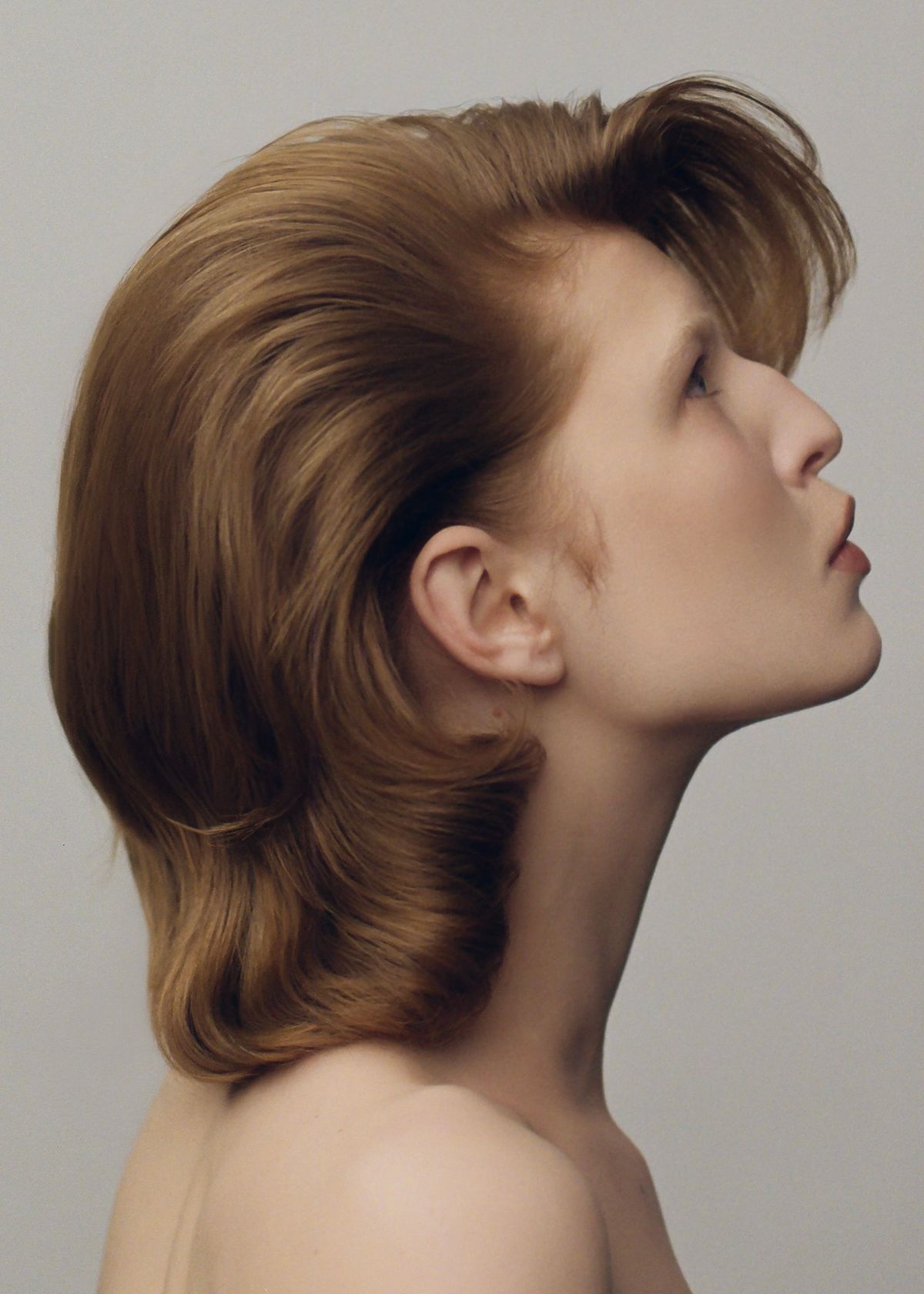
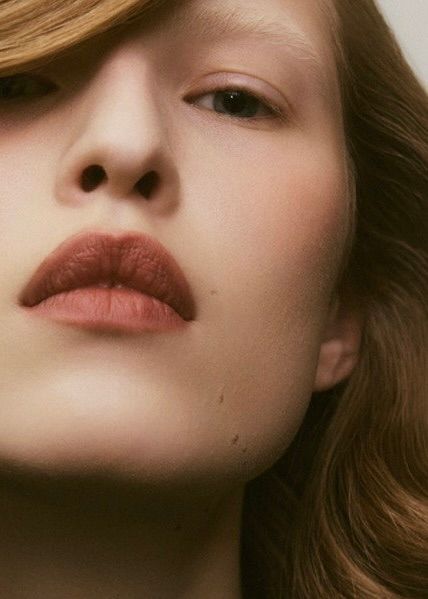
Masha Makobchuk
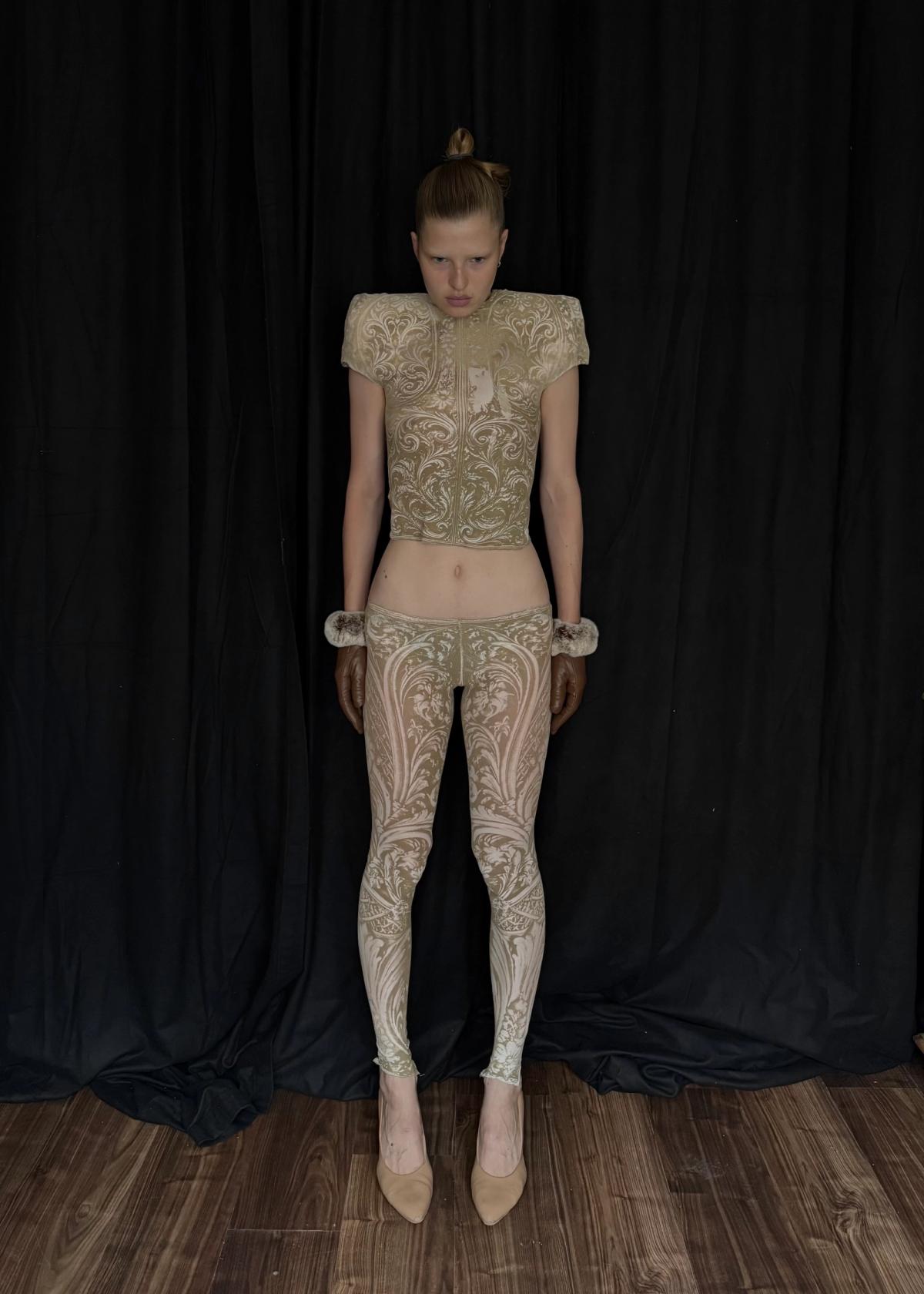
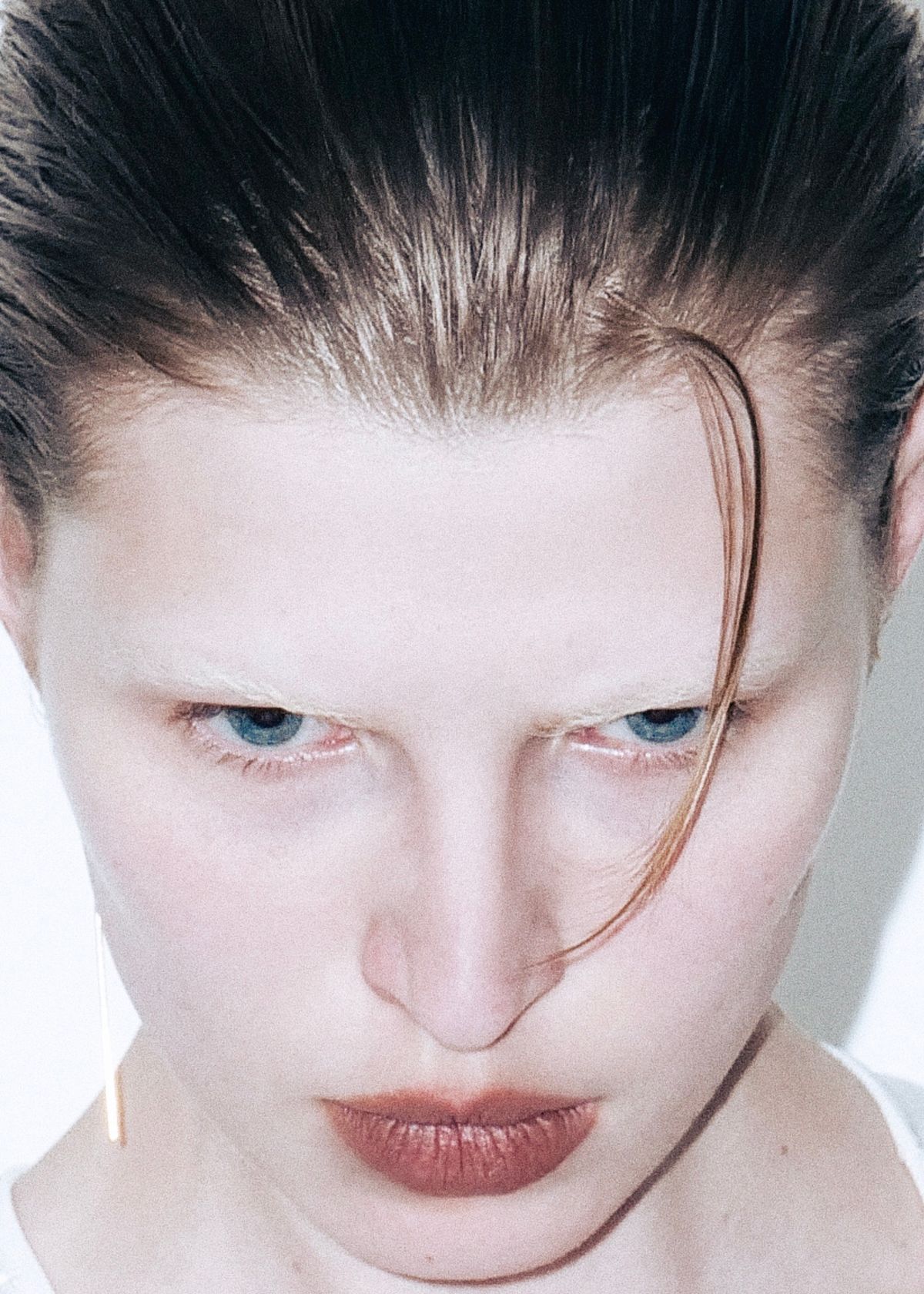
height: 179
chest: 82
waist: 60
hips: 88
shoes: 41
hair: blonde
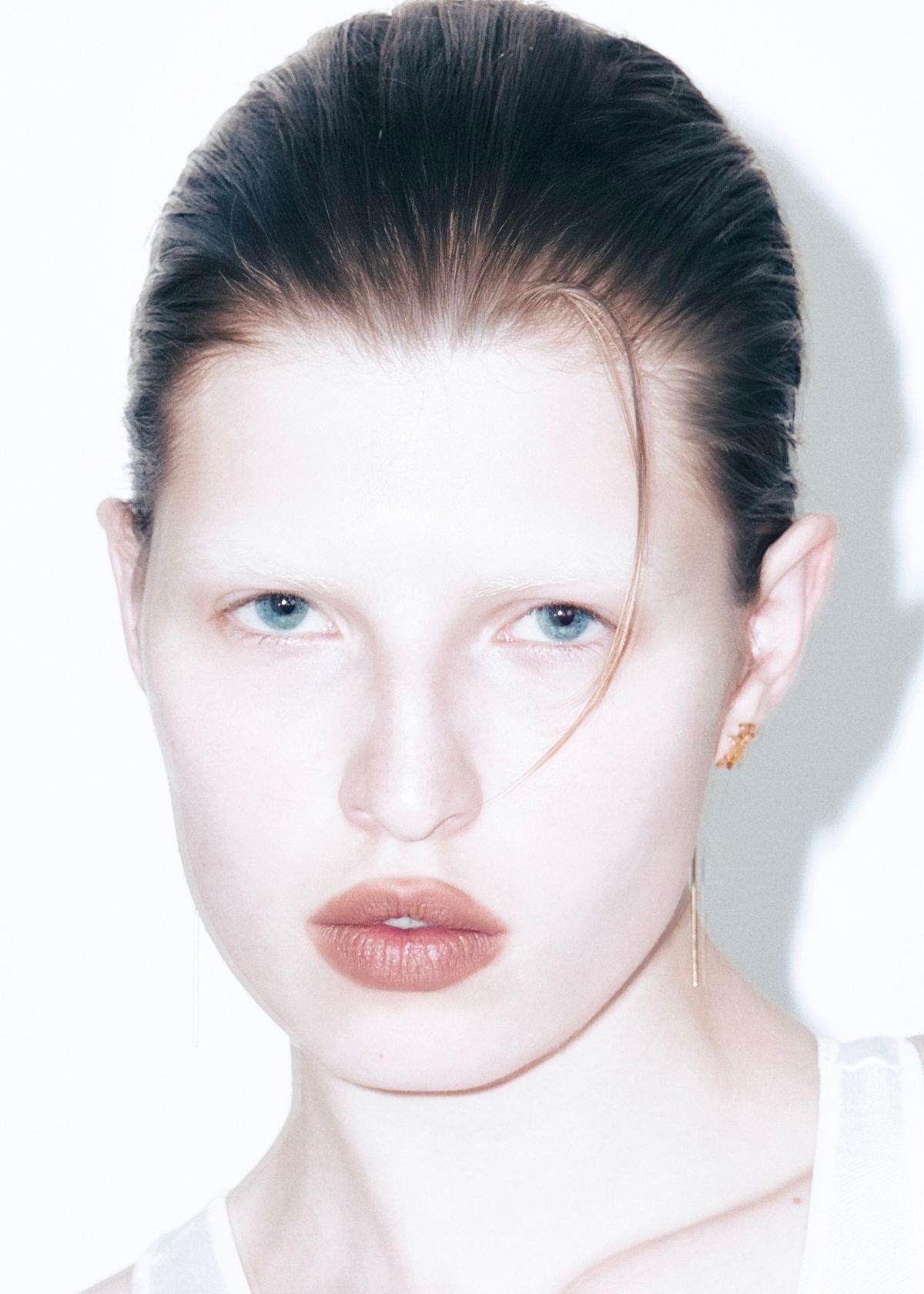
eyes: blue
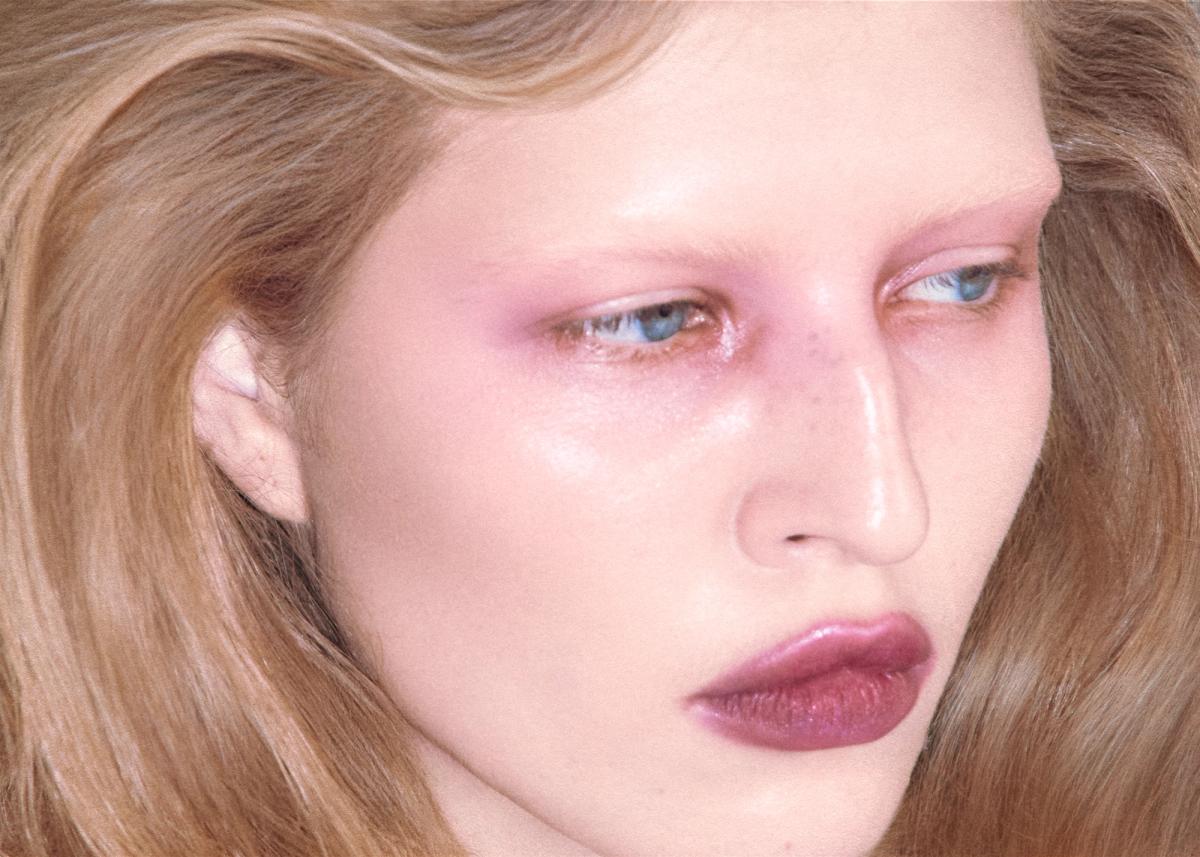
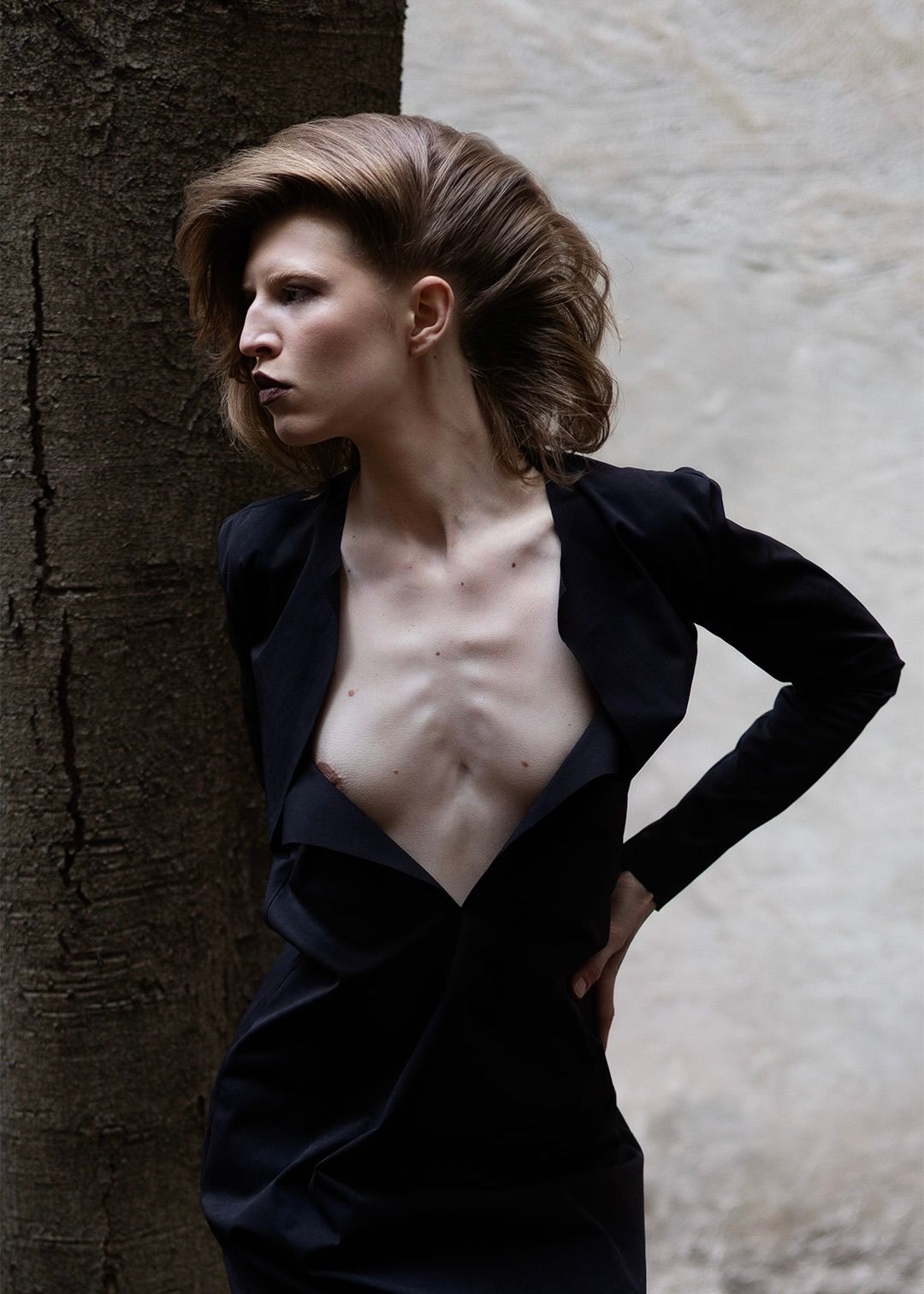
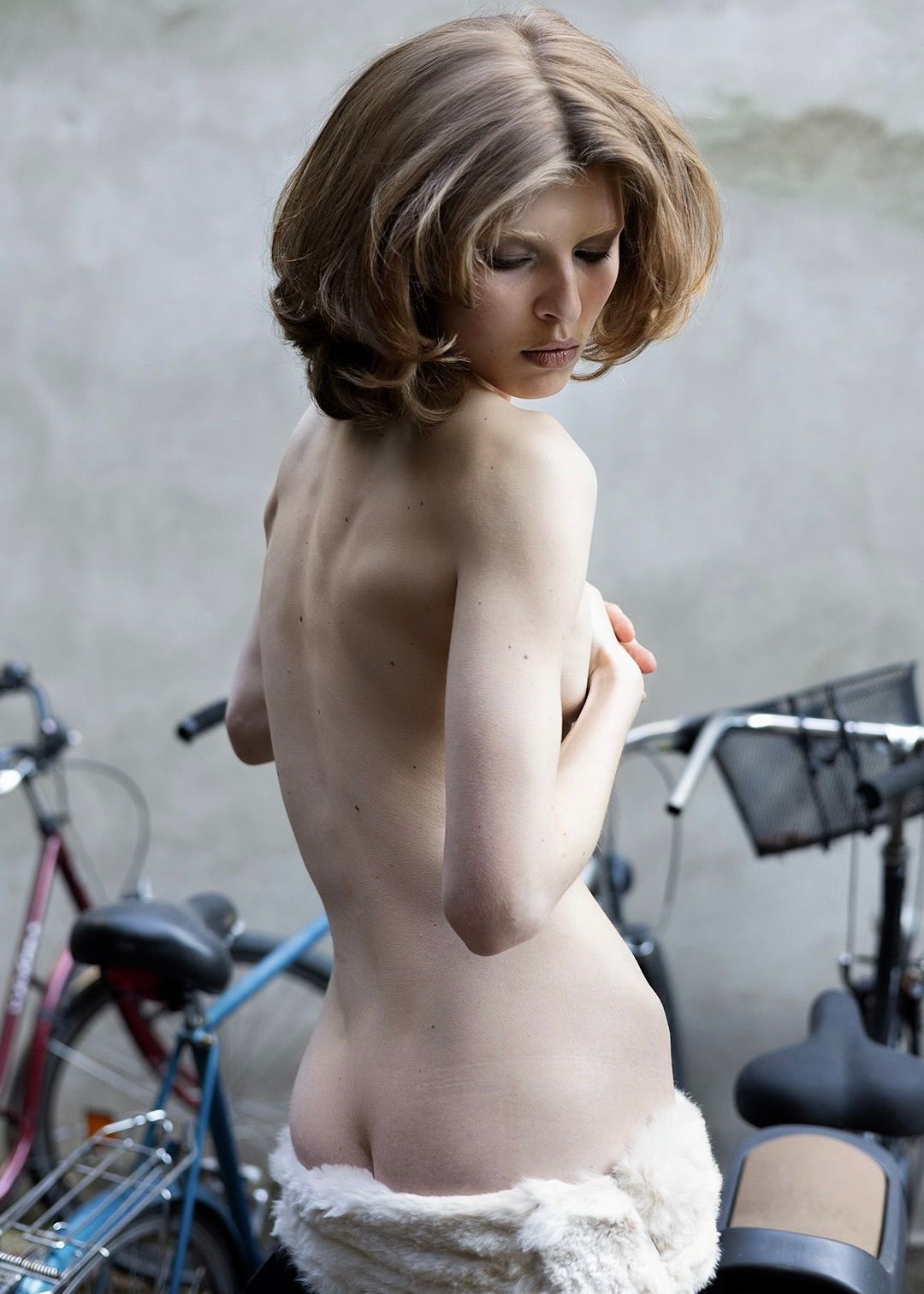
How would you describe your personal visual code?
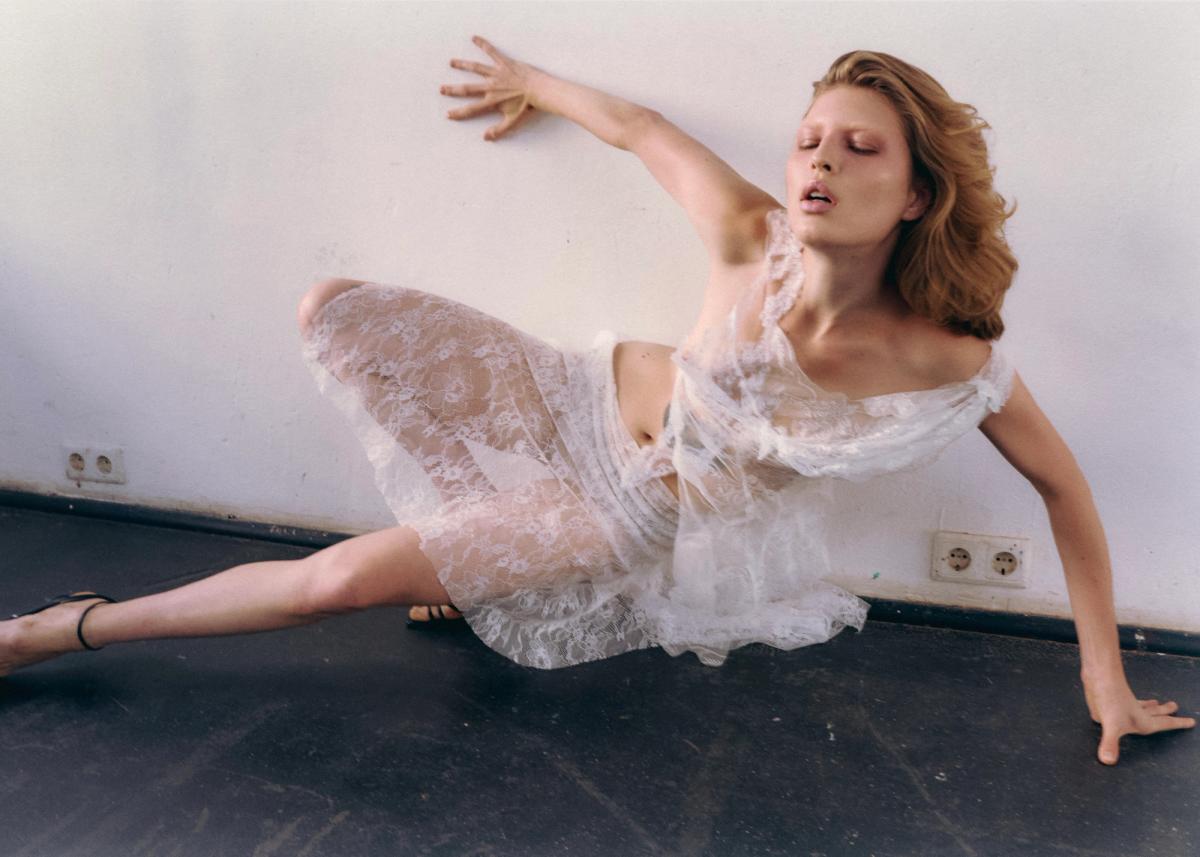
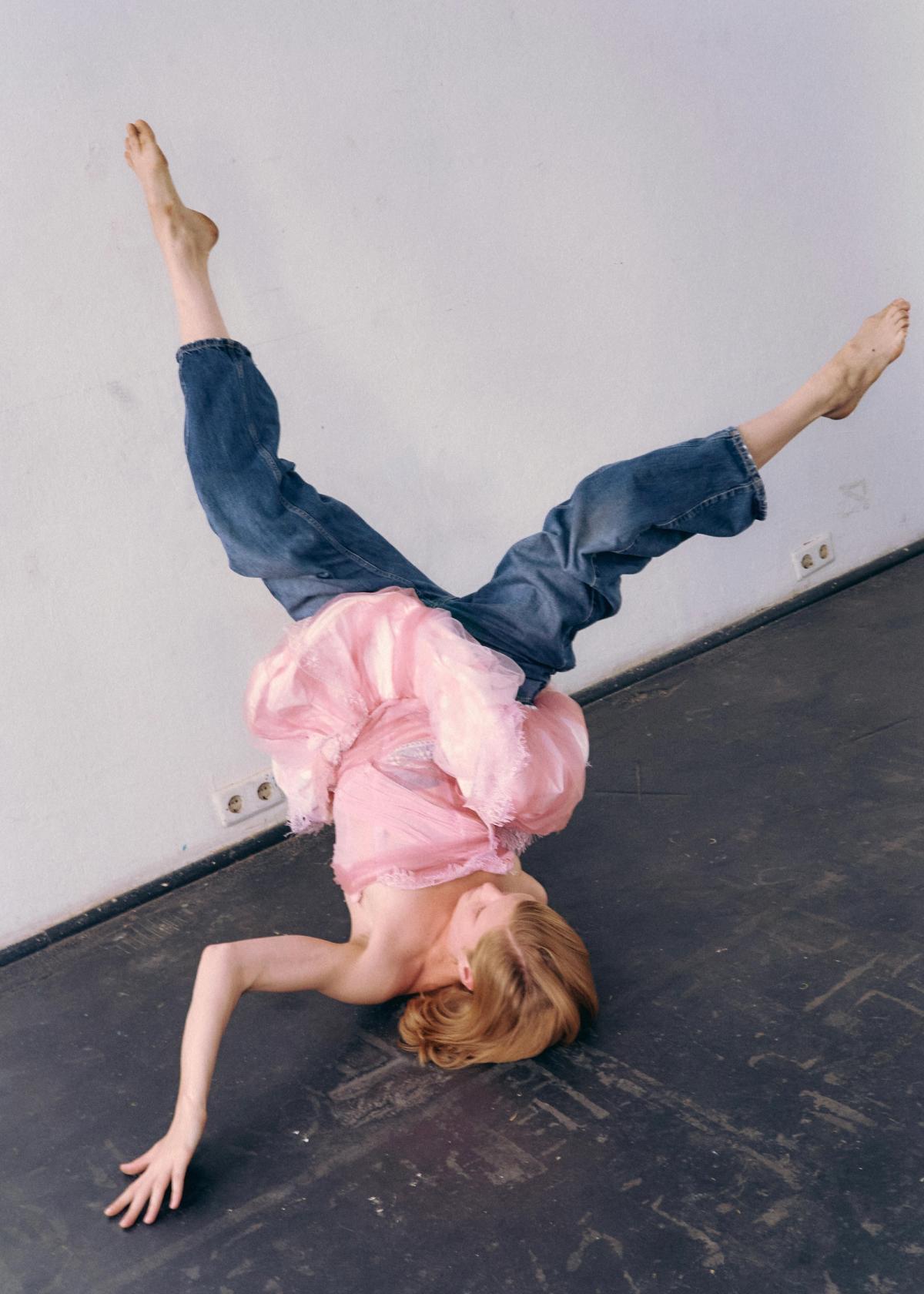
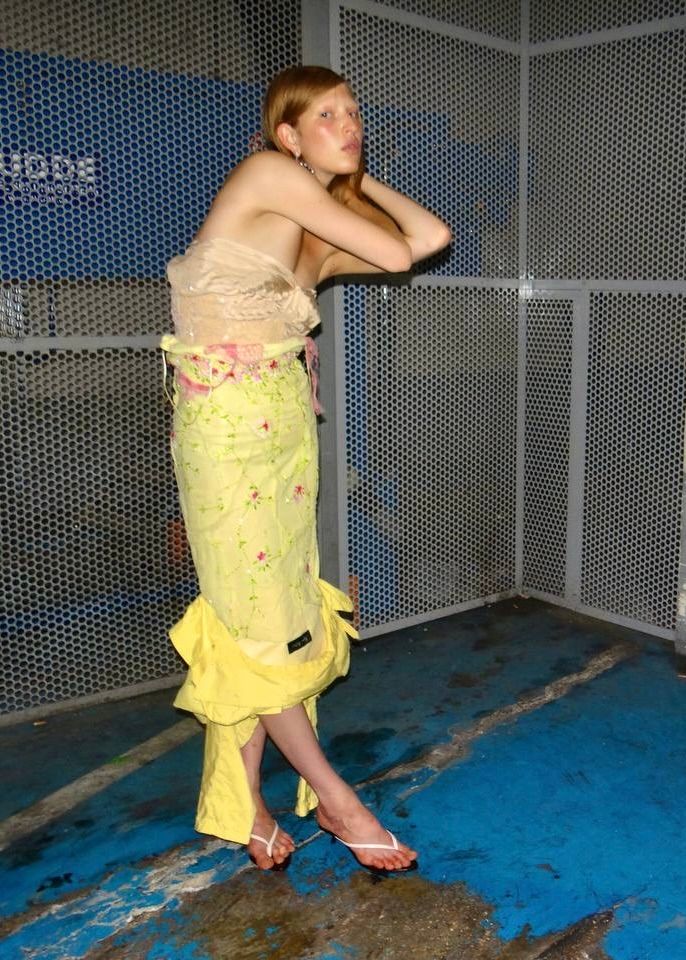
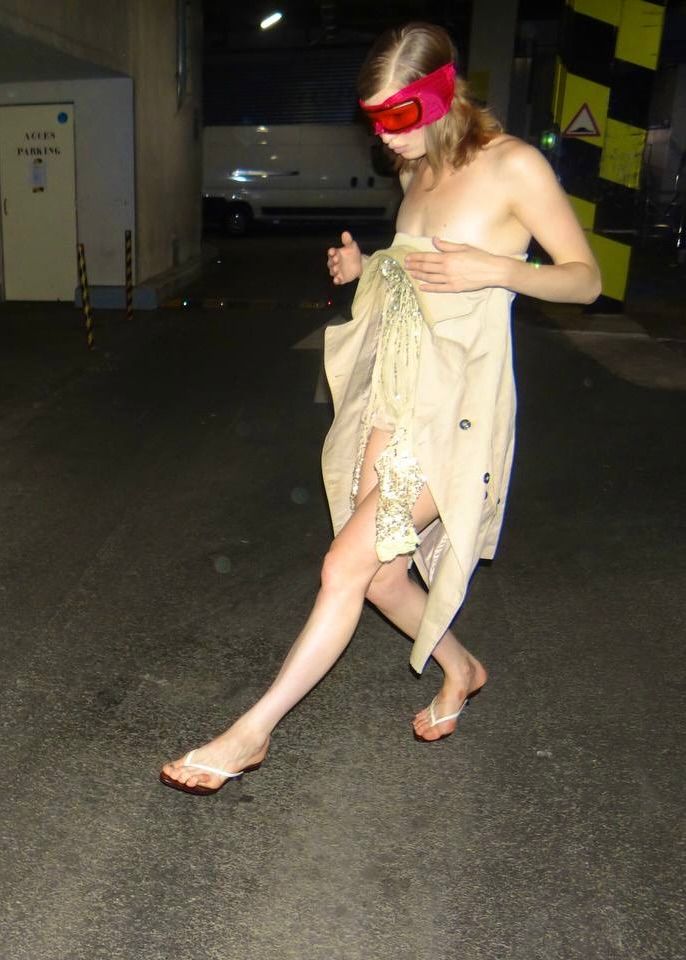
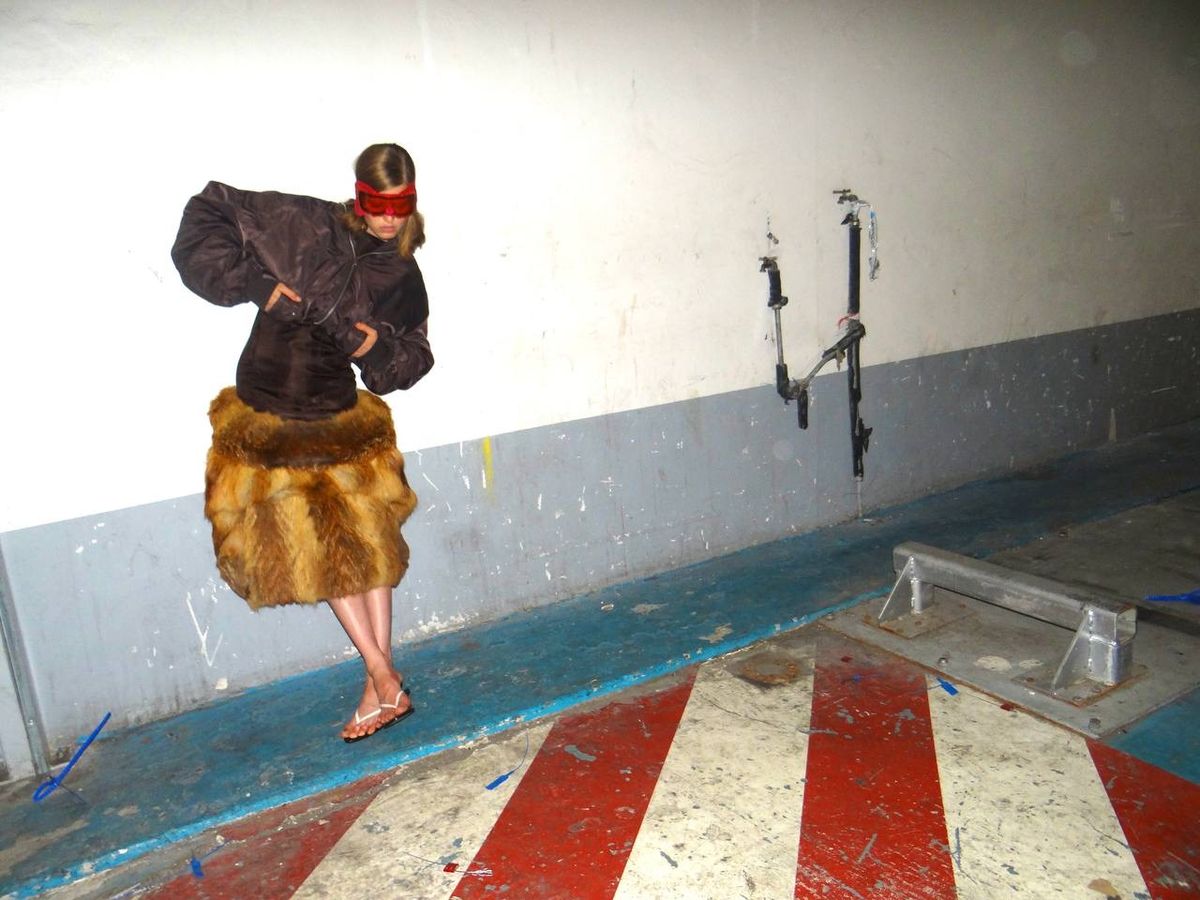
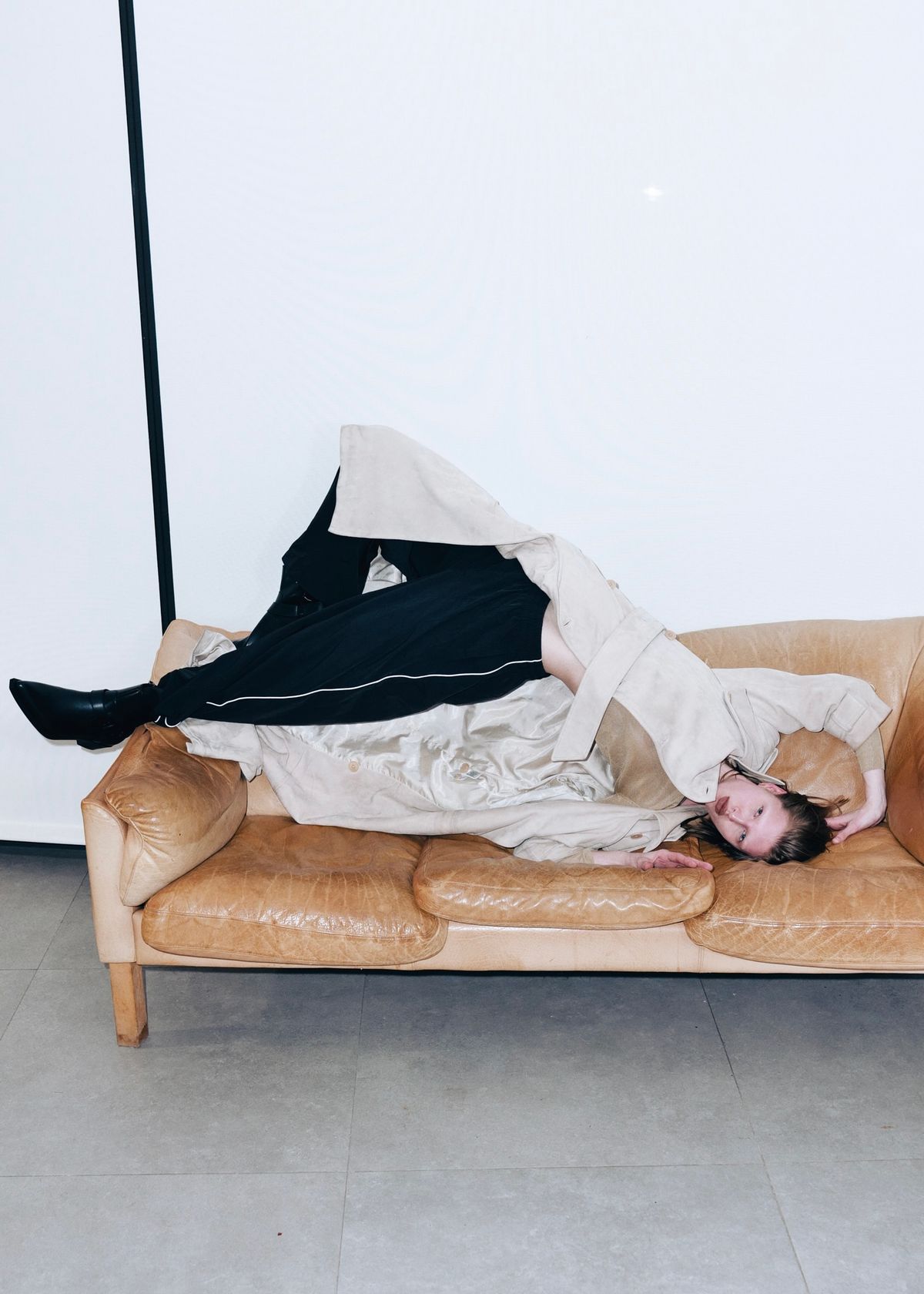
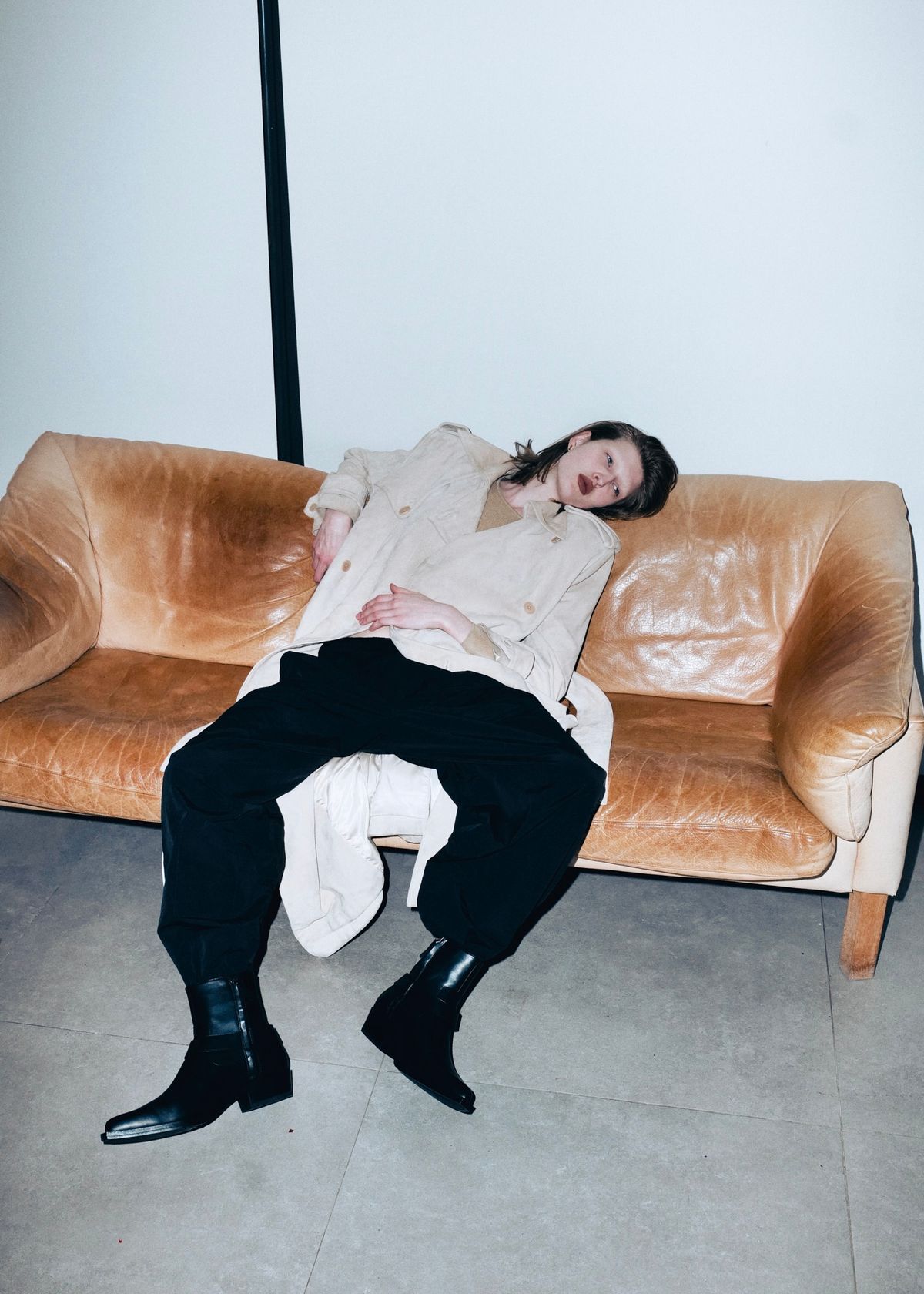
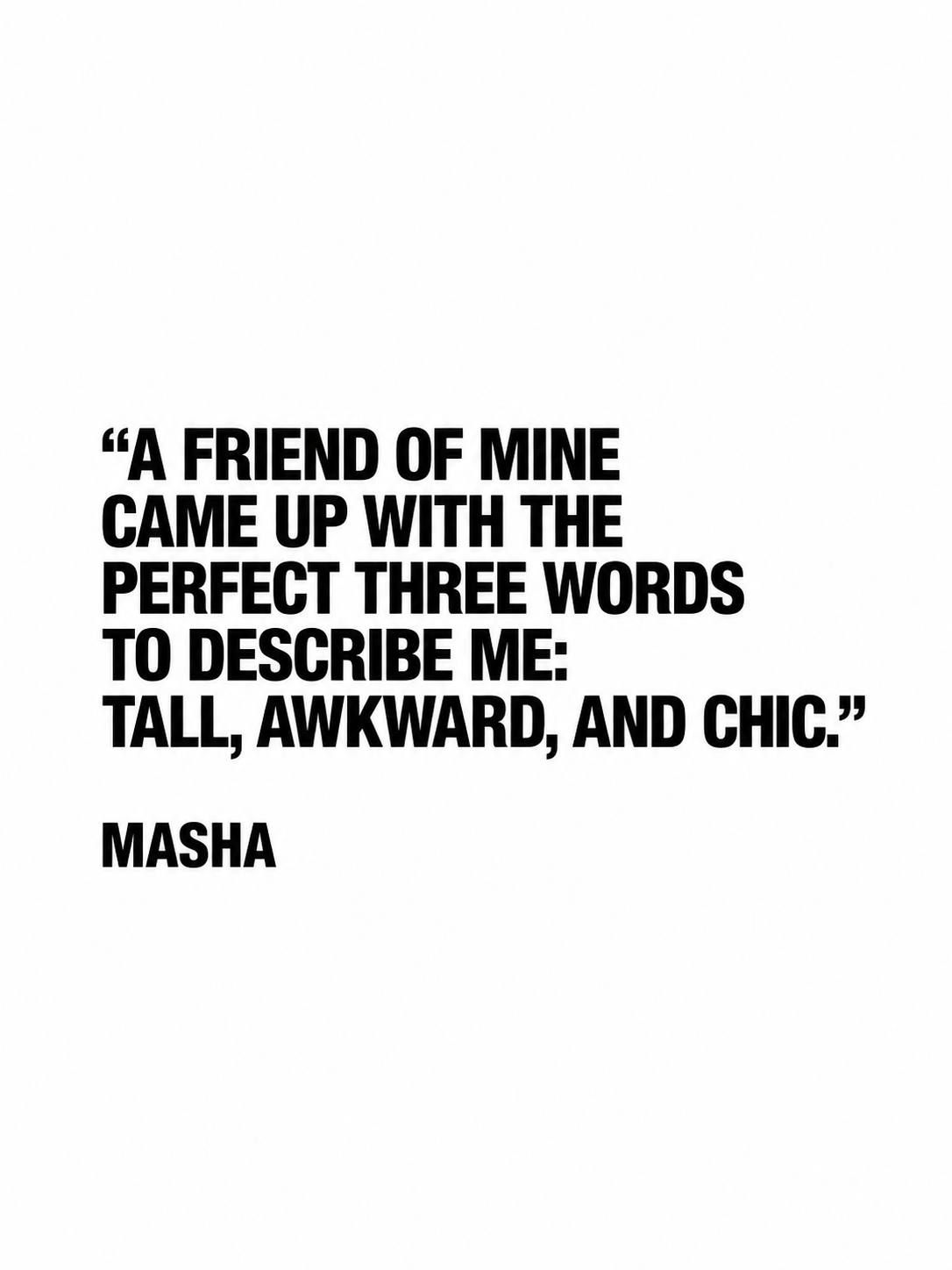
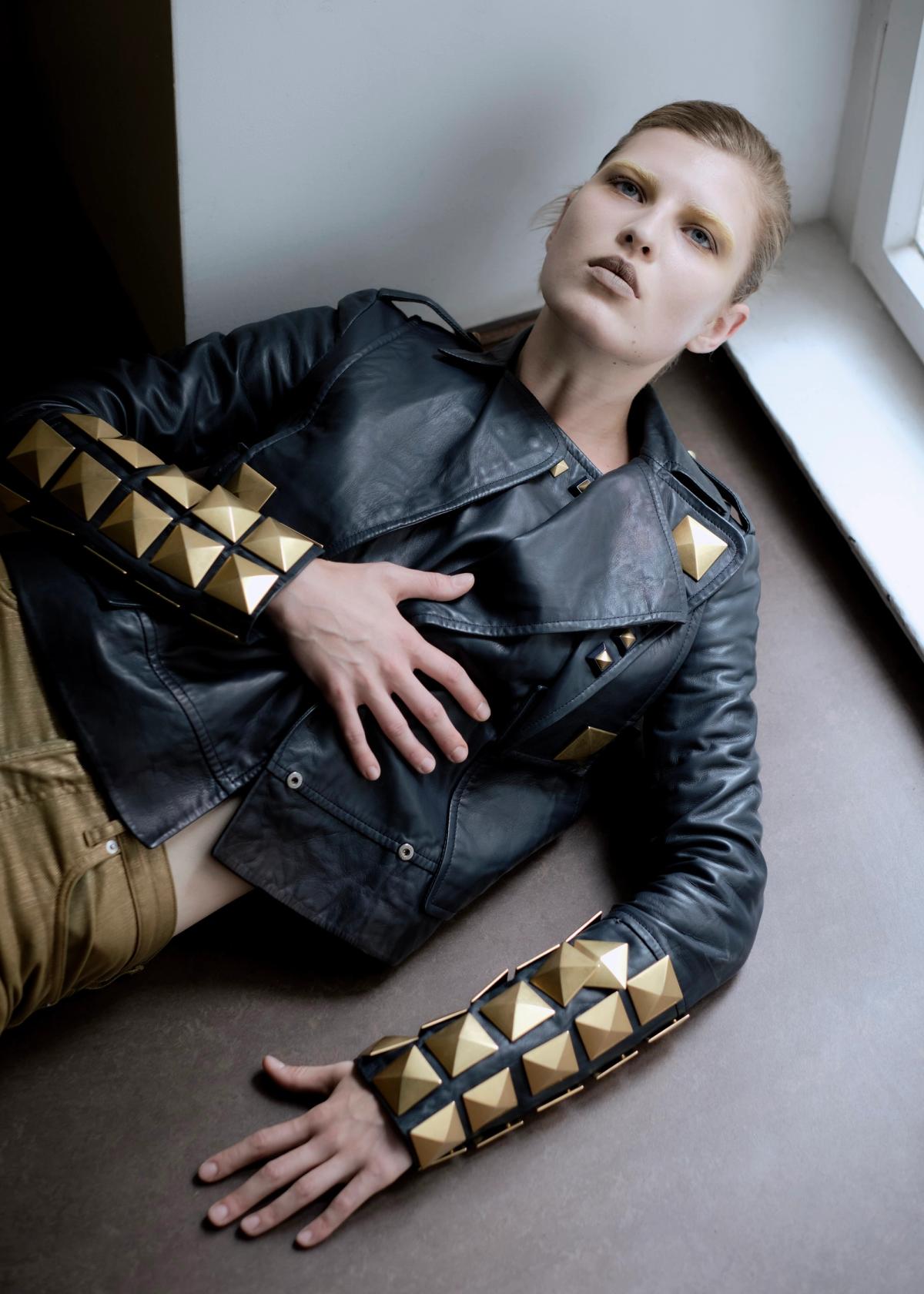
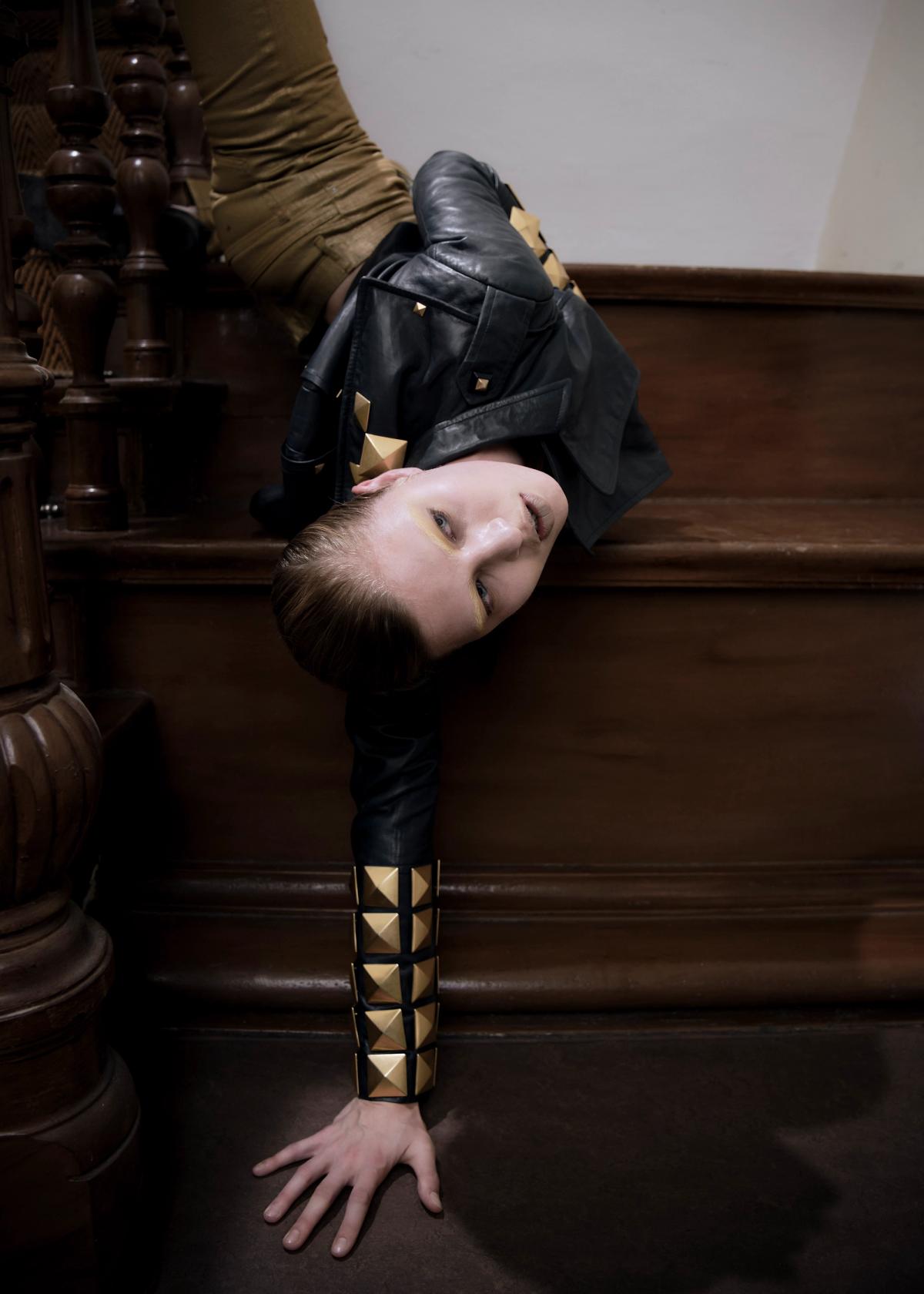
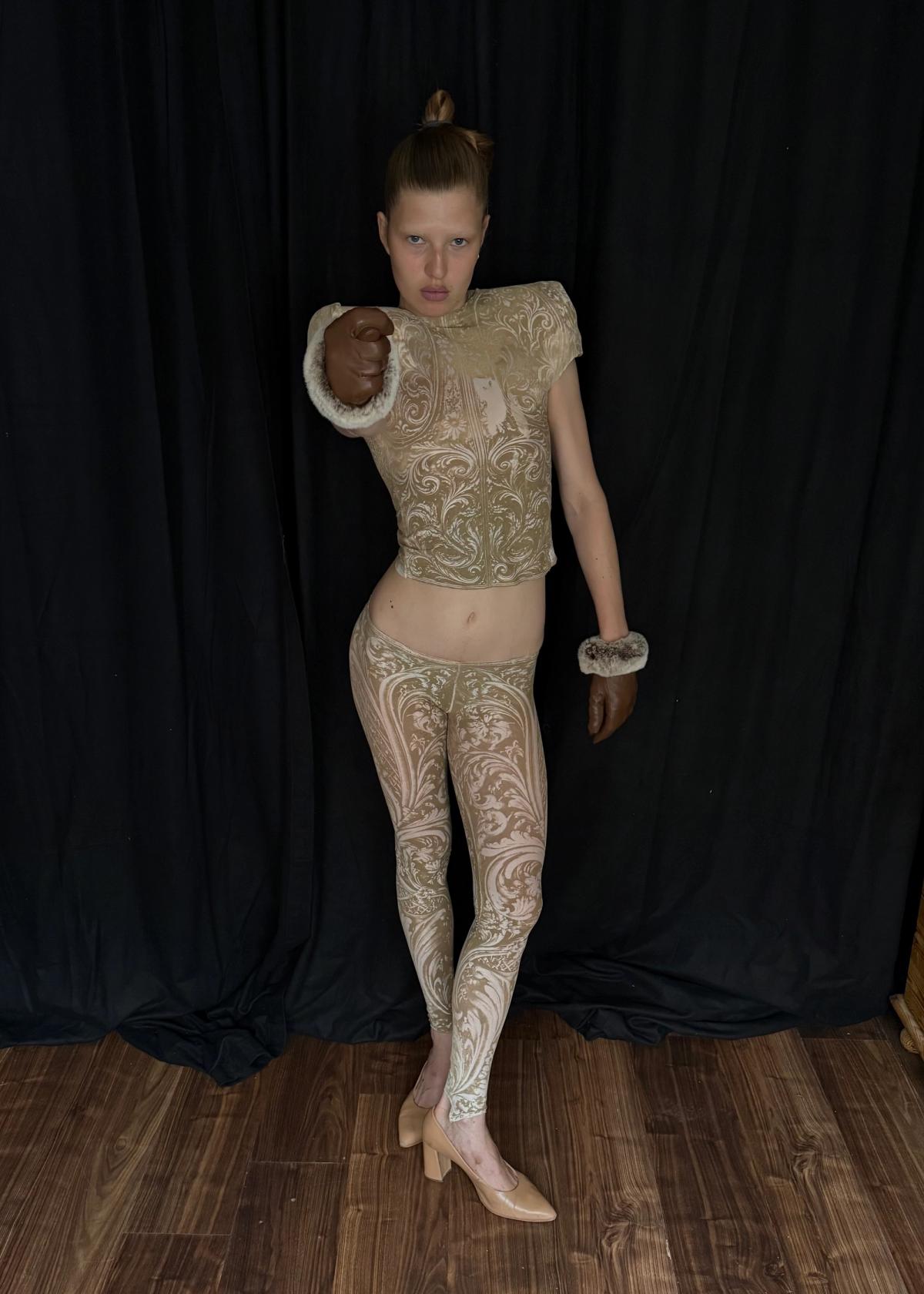
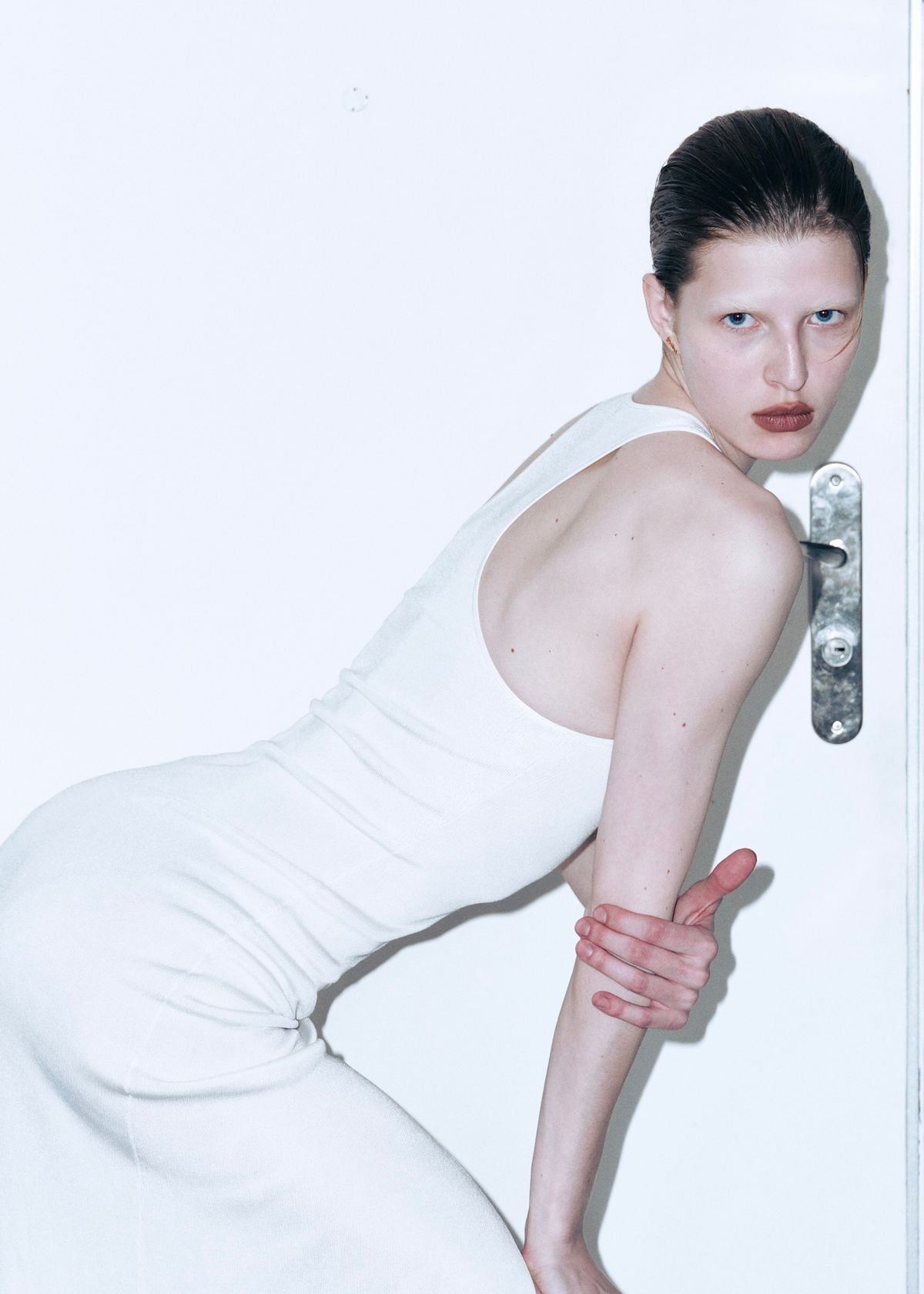
A friend of mine came up with the perfect three words: tall, awkward, and chic. To transcribe that more fully — I am particularly tall (180, and I mean long). My visual stories reference mostly a previous version of myself, which makes them hard to interrupt, engaging, and literally elongated. The prolongation of structures and motives is decisive in everything I do: an outside influence is always welcome to participate in what I style and how I present myself. I seem open. But the second I disagree, things get slightly awkward. Violent, even. (Nothing personal, folks.) Overall, my visual code is responsive and those wild shifts are necessary because of it. As a consequence, I also bring raw attempts to ground myself and stay modest. It mostly turns out chic.
How do you relate to the concept of fashion as art?
Directly.
What fashion eras or designers shape your aesthetic?
Admiration and disgust — that is what I feel towards fashion. It is obnoxious how polluting it is. And its beauty is gloriously attractive. Here is the thing: I value complex, wide experiences far more than one-sided preferences. My affection is about the breadth of this industry's variations. I trust it, and I want to develop further within it. I profess my love to fashion as a whole. It has room for each of my features.
In fragments, since the question asks for it:
People such as Mr. Thomas Ford — as a plot of his path, and the brand as a structured island. Or Ms. Nadia Lee Cohen, as an authority holder, art director, woman in power.
The most honest answer: anything great grown in Belgium is closest to my taste. The Antwerp Six and the like. To mark a more modern influence, I will also mention Julie Kegels — especially their recent glitters and wood print. And from a very special place in my heart: ERD, for a dirty fight.
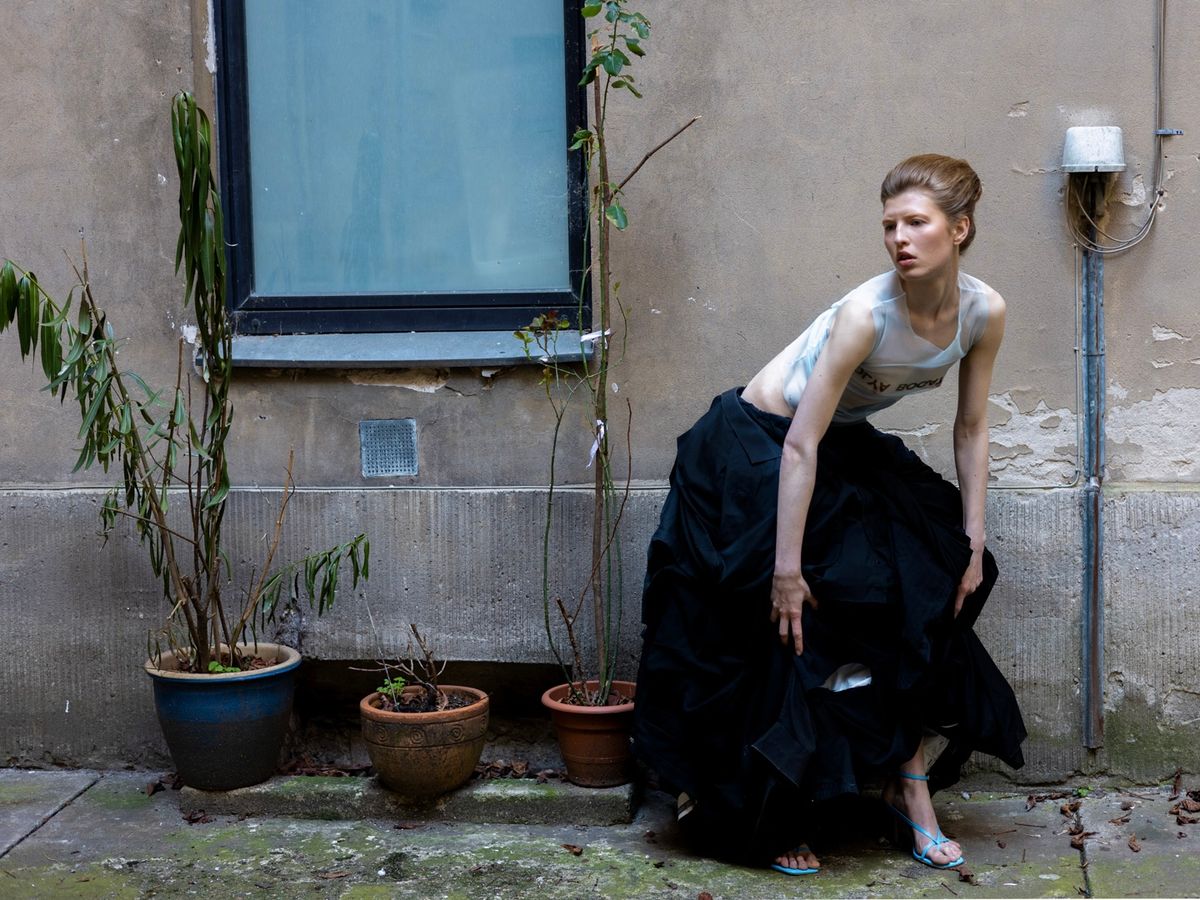
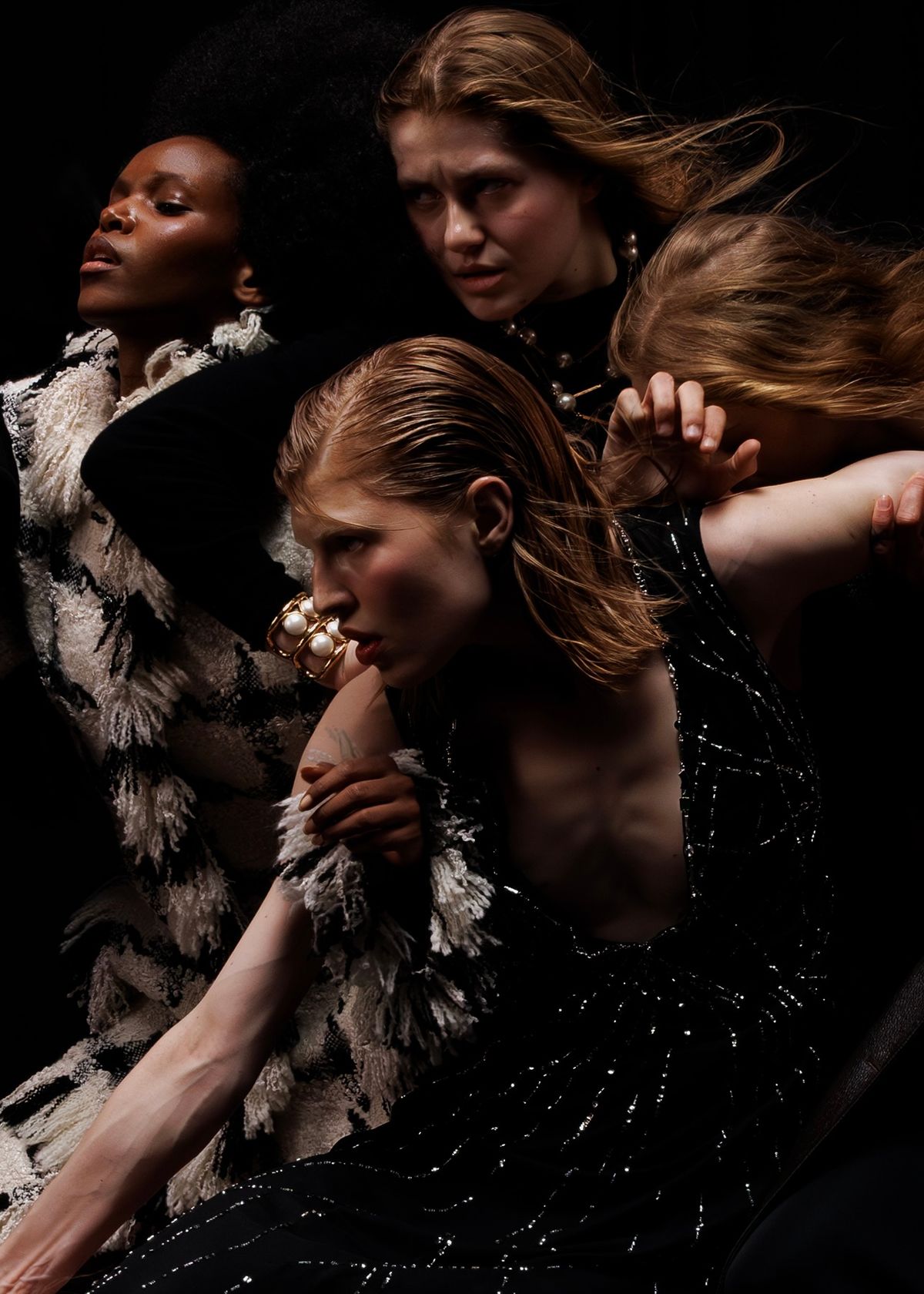
What unusual shoot concepts have you particularly remembered?
Once I was a fashion bug for a Parco campaign — a dragonfly's friend, to be sure. We were having an insect party at her place in Spain, directed by Tanu Muino. (I looove.)
How do you interact with trends: follow, transform or avoid?
Not everything has to be taken into account. I believe only what was already there can be reborn. So I treat trends like marks of time passing — with a sensation of melancholy and nostalgia. Useful for sad days.
How do you deal with anticipation and stress to maintain energy?
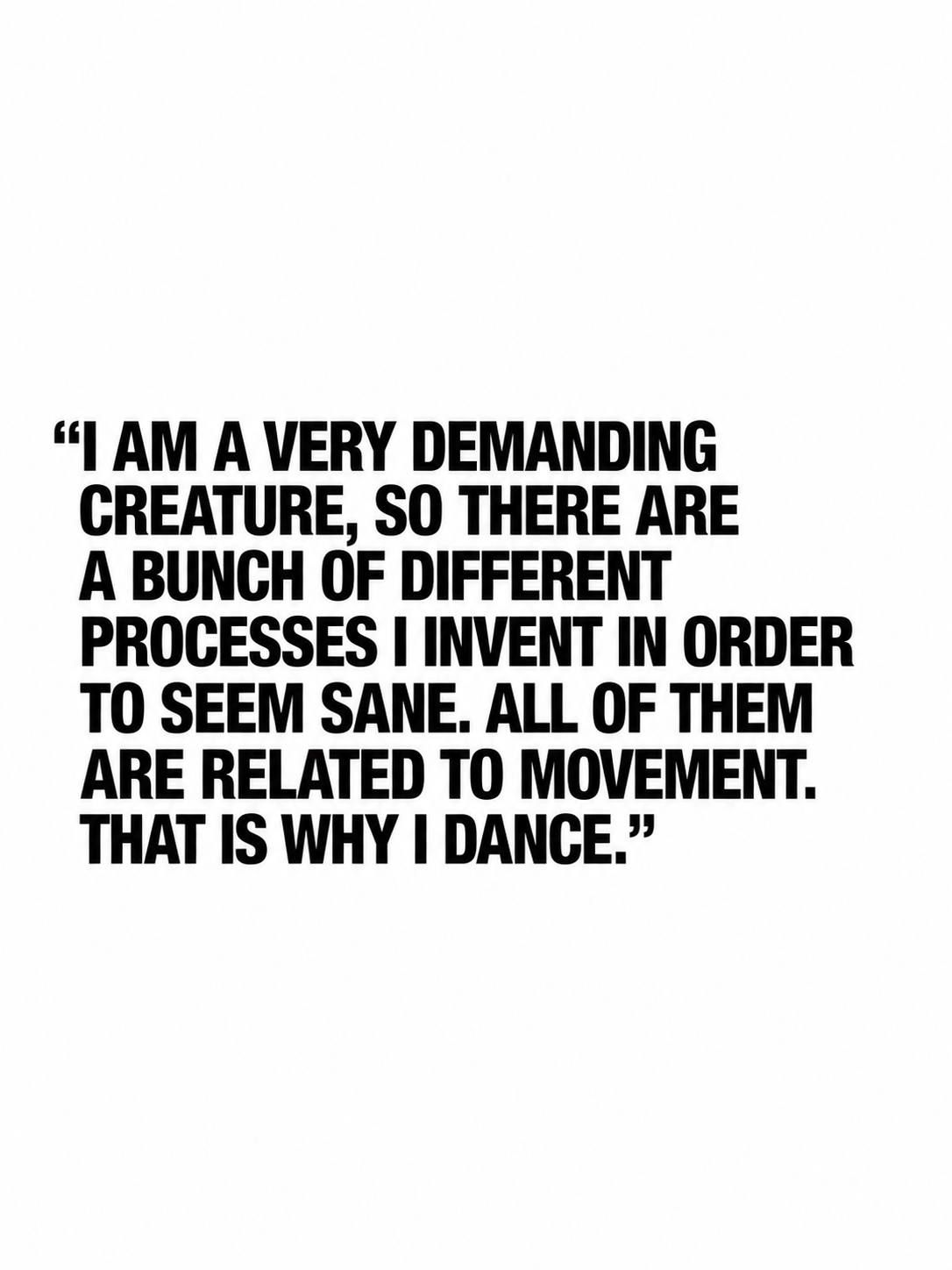
I am a very demanding creature, so there are a bunch of different processes I invent in order to seem sane. All of them are related to movement. That is why I dance.
What magazines, books or other resources do you read for inspiration?
I speak about inspiration elsewhere. I mostly read short forms — lack of attention. And I write hundreds of times more than I read, which I still do not understand is good or bad. It is more important to me to produce than to consume.
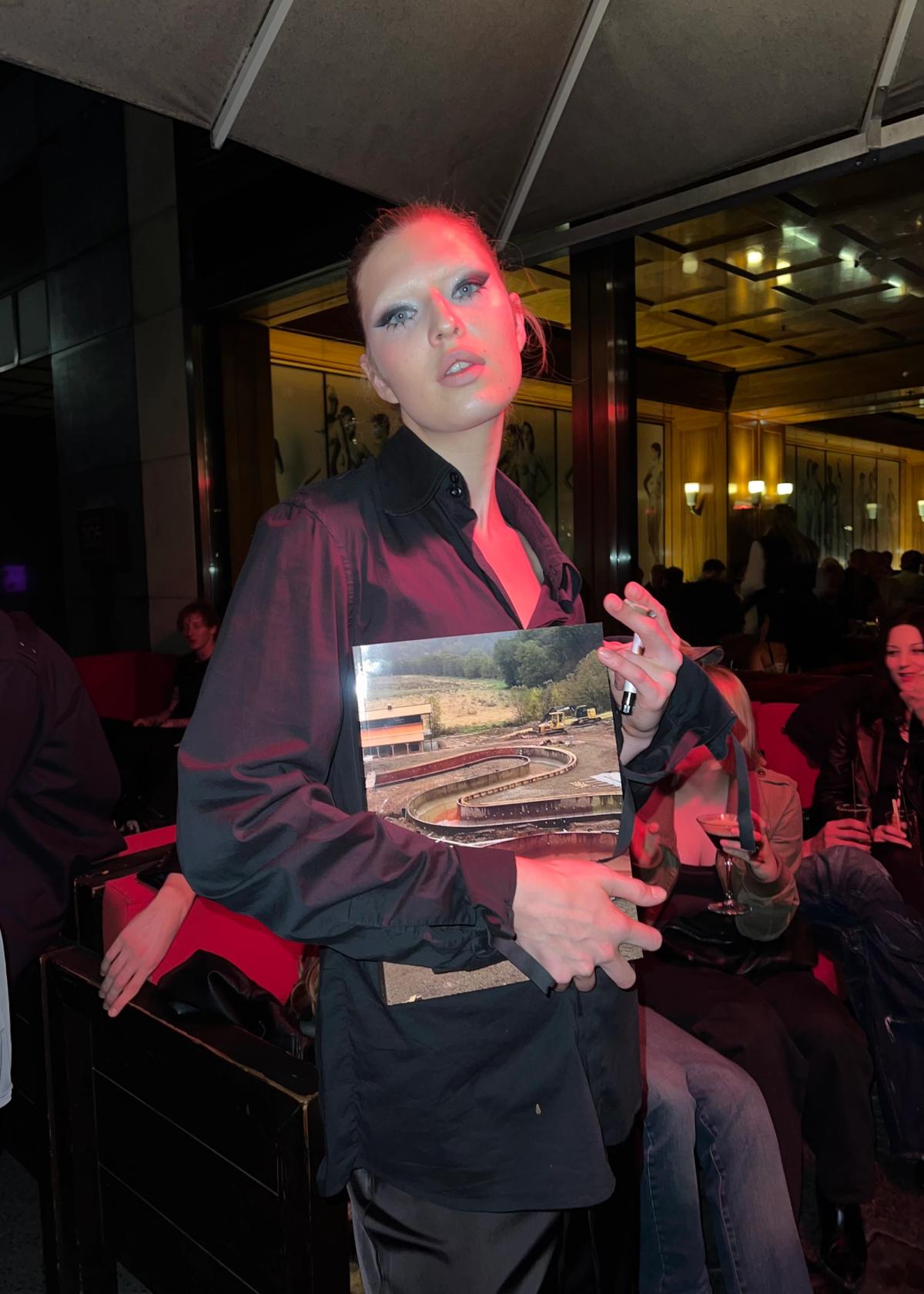
That said, I eventually fuel myself — mostly with visuals. But what I might read: whatever Tim Blanks and Mel Ottenberg want us to read. Ukrainian postmodern poetry. CMS news. IFM research. I would love to say I read Gia Kourlas articles, but I don't, and The New York Times is suspicious. Printed fashion magazines, rarely but still — I currently have DUST No. 27, complex and pleasing material. Luigi, I love. And Gruppe No. 6 — up until the point of mentioning aliens it was engaging, then I lost interest.
Why do you think it is so important to know the industry from the inside, rather than just being the face of a brand?
The model figure is not a picture only. Neither a character, nor a tool. We simply need to stay reactive and accurate in order to deliver an instant result with dedication and honesty. In my opinion, industry awareness is an intelligence — while being beautiful is just an obvious requirement.
How do you prepare for shoots and shows to best fit the aesthetic of a brand?
I only need to remain a decent amount of presence, which is mostly about inner stillness. It is easy to bend while standing confidently. I remind myself of safety and self-trust, so that when I open a space for a transformation into what the client sees me as, I am not letting this job erase me and draw a new one. Instead, I present my physique and mental self as a high-functioning material to collaborate with — as a proper partner.
Classic or experimental?
Preferably experimental, but humble and narrated. If classic — twisted, or flattering the function with its quality.
Inspiration or discipline?
Discipline. I do not clearly relate to inspiration. Yes, the interpretation of a reference is an inevitable part of the work — but I try to drive independence and authenticity first. It was absolutely not romantic to learn how to hear my own voice. So inspiration I treat as an additional consequence, a side effect of all the outcome.