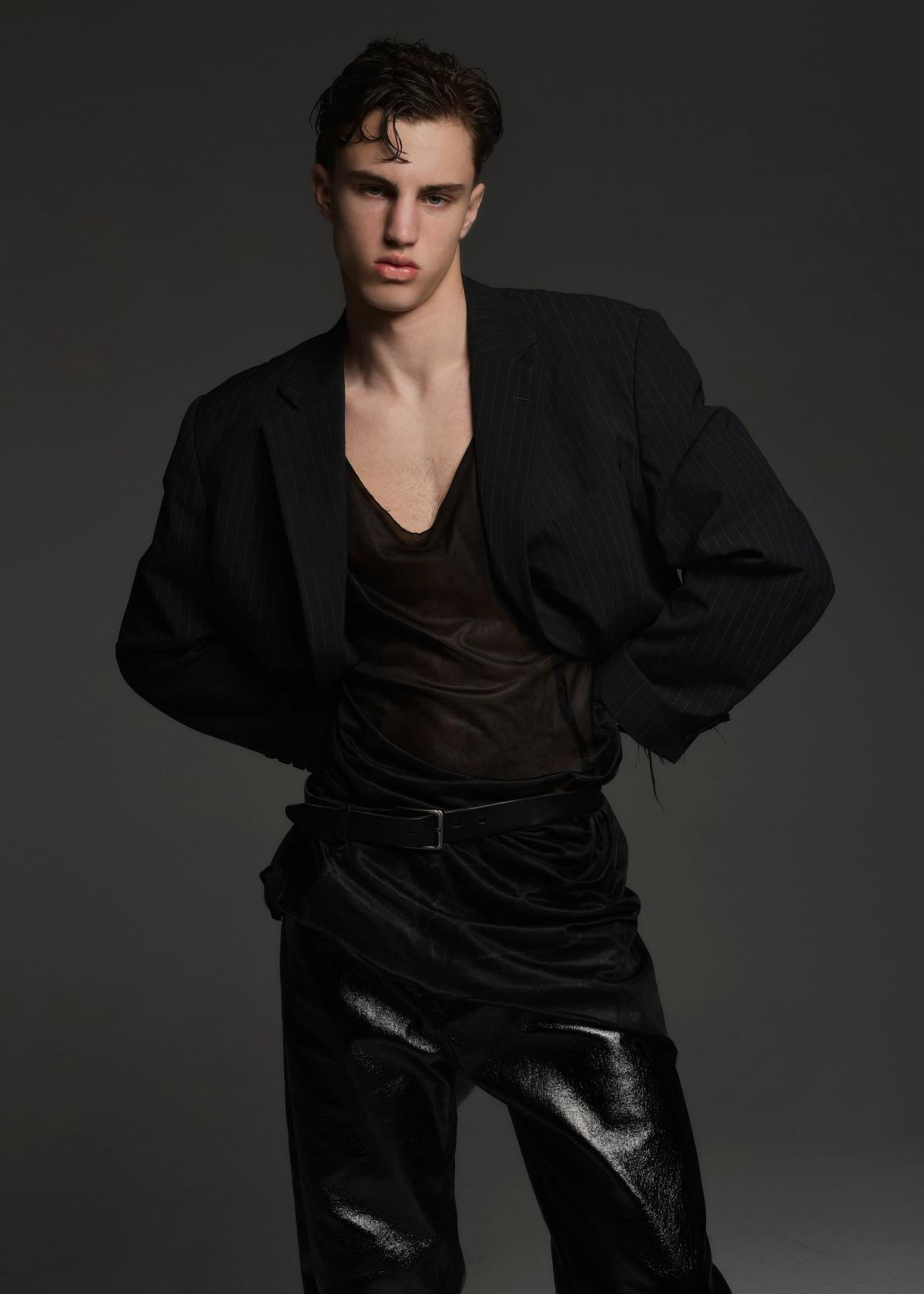
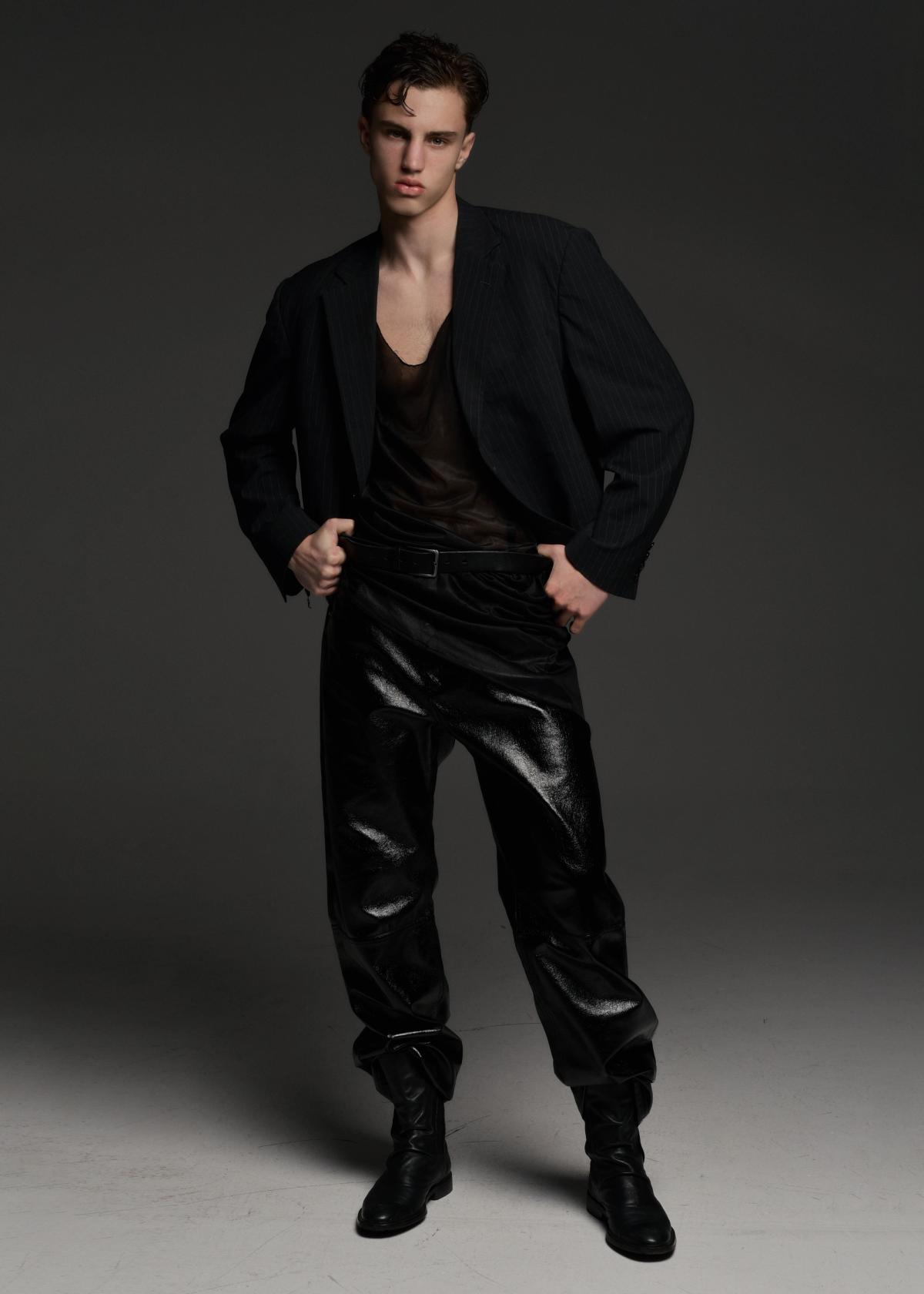
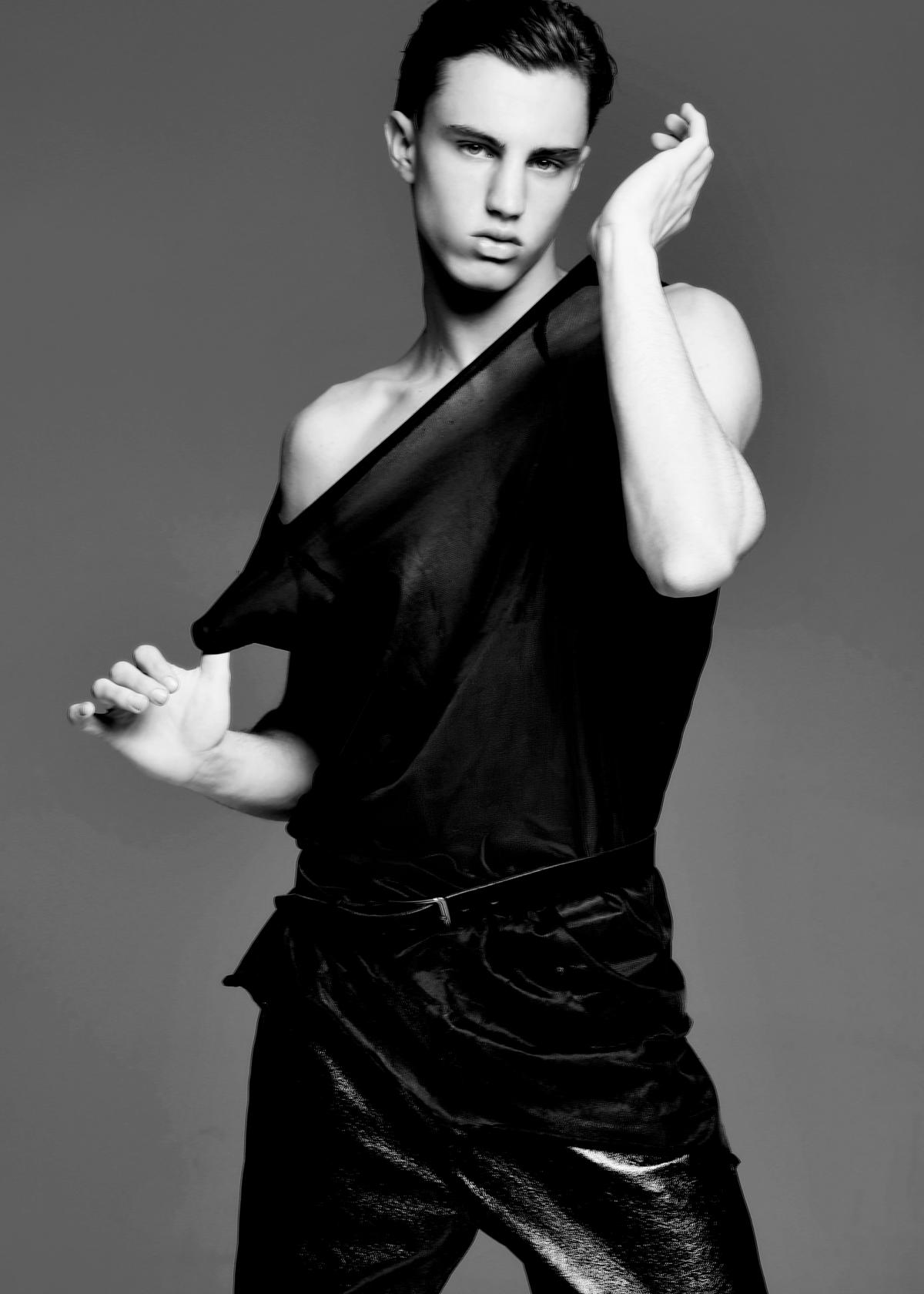
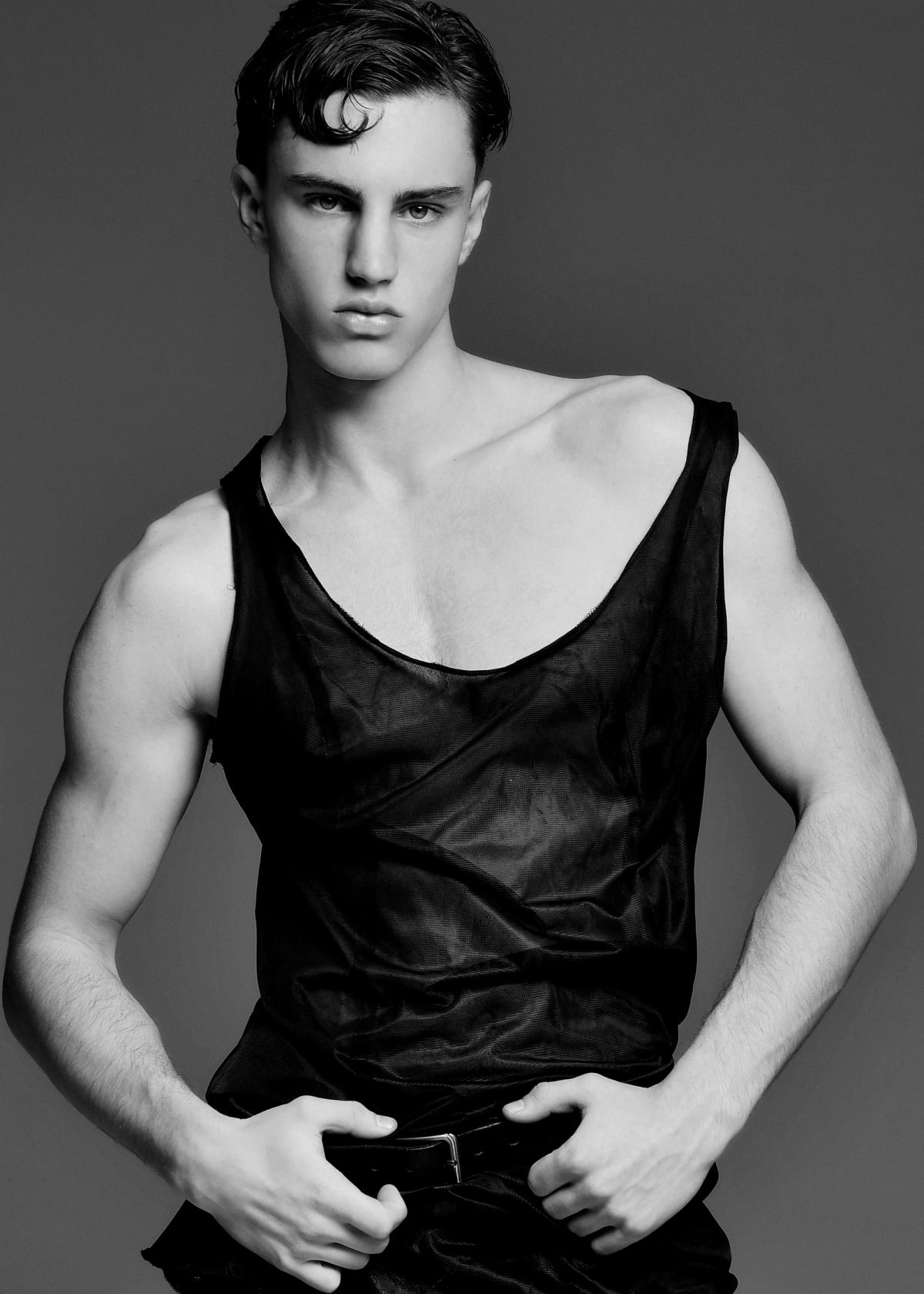
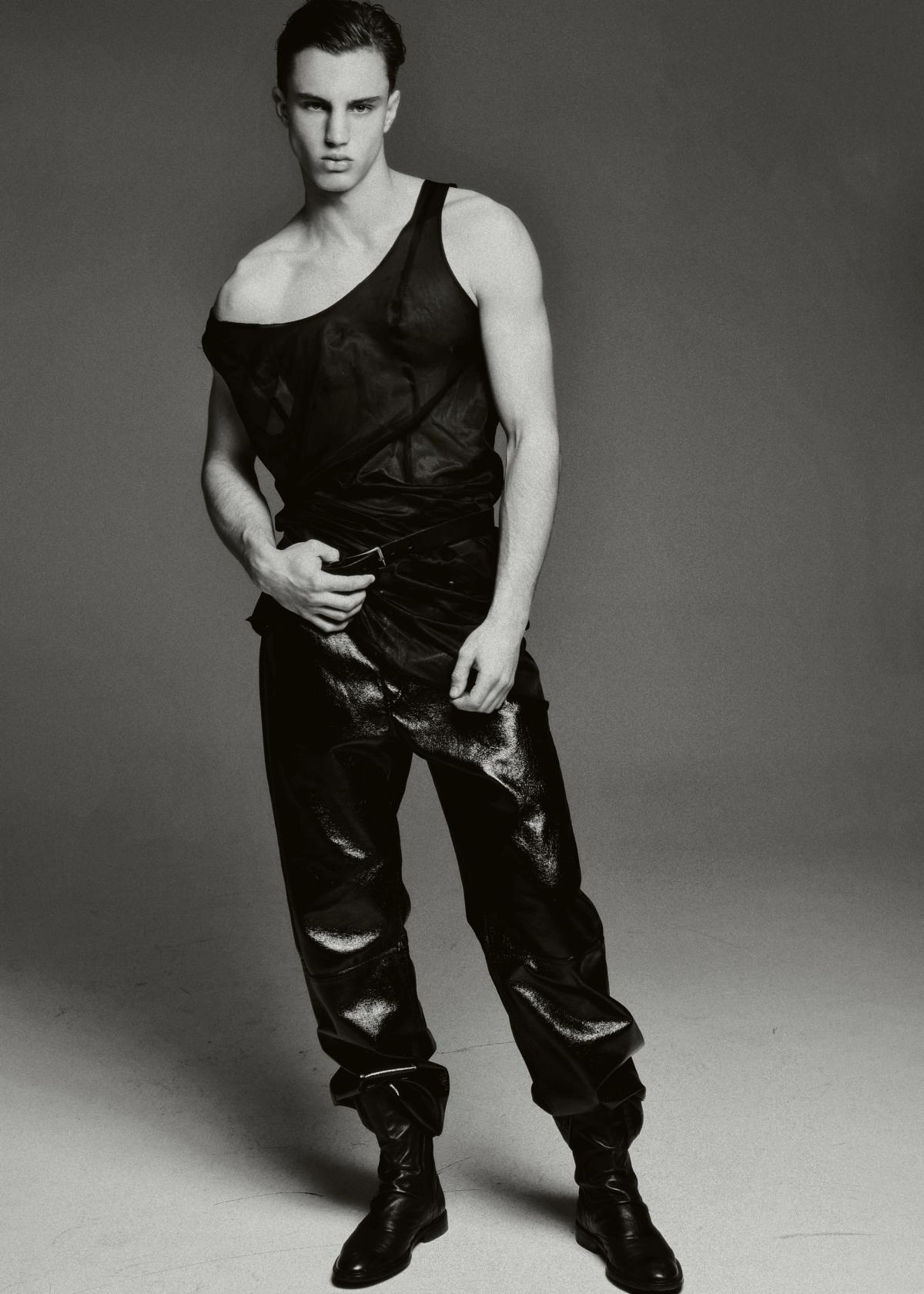
Roman
height: 189
chest: 92
waist: 71
hips: 92
shoes: 45
hair: brown
eyes: grey
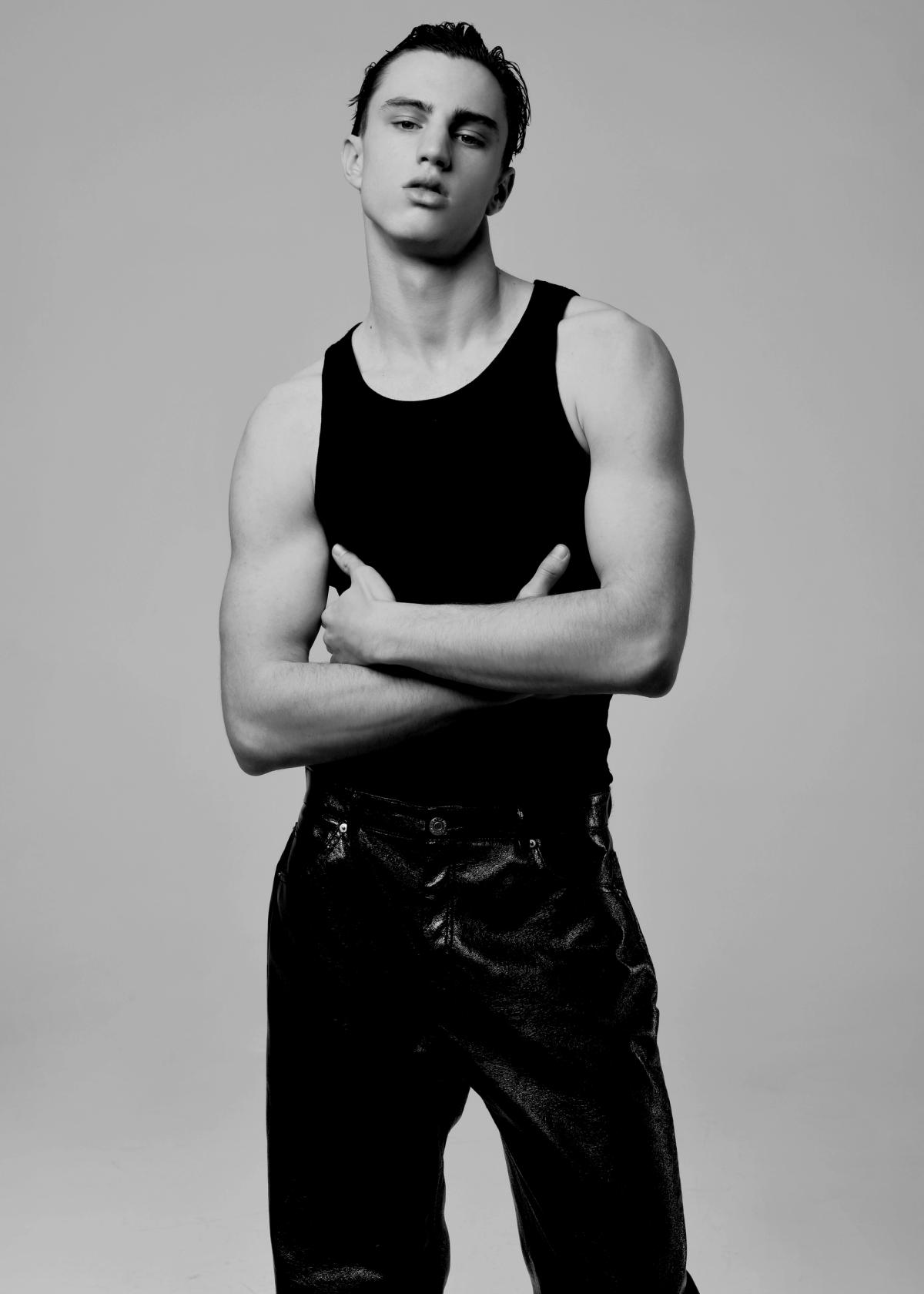
How would you describe your personal visual code?
Classic, comfortable, and precise. I am not drawn to anything too loud or overly decorative. For me, style should first impress myself. It should feel natural on the body and honest to the person wearing it.
I like straight-leg silhouettes, classic colors, and the structure of a jacket. There is something powerful in simplicity when it is done well. I prefer clothes that give a sense of confidence without needing to explain too much.
What fashion eras or designers shape your aesthetic?
Definitely the 1990s. That period feels very important to me because fashion started moving toward a more experimental visual language, but it still had a certain clarity. It was not just about being strange for the sake of being strange. There was attitude, individuality, and a very strong sense of character.
A lot of what we see today still comes from that era, but transformed through a contemporary lens. I like that connection between something classic and something that can still feel new.
Classic or experimental?
Why not both? I think you can always experiment within a classic style. That is probably the space I feel closest to. For me, classic does not mean safe or boring. It means having a strong foundation. Experimental details can become more interesting when they are placed inside something clean and timeless.
How do you relate to the concept of fashion as art?
Fashion will always be art because it carries ideas, emotions, identity, and time. It is not only about clothing. It is about how people choose to express what they feel, what they believe in, and how they want to exist in the world.
The human mind itself is a form of art. It has been evolving for billions of years, constantly creating new ways to understand reality. Fashion is one of the ways we make that inner evolution visible in everyday life.
Why is it important to know the industry from the inside, rather than only being the face of a brand?
Because fashion is not just an image on a screen or a photograph in a magazine. Behind every image there are emotions, ideas, decisions, and the work of many people who are trying to show the world who they are.
When you understand the industry from the inside, you begin to respect the process more. You see the structure behind beauty. You understand that a strong image is not accidental. It is built through vision, communication, discipline, and a lot of invisible work.
What role does street fashion play in changing your musical image?
Music is an interpretation of the human mind. Fashion works in a similar way. Both can reflect a mood, a state, or a personal transformation.
If I change my visual style, it naturally affects the way I relate to music. When I shift my fashion direction, my music taste can also follow. It is all connected. The way you dress, the music you listen to, the atmosphere you choose around yourself, they all speak to the same inner rhythm.
How do you deal with anticipation and stress while maintaining energy and inspiration?
For me, it starts with freeing my mind and focusing on the things I have already set as priorities. Stress often becomes stronger when your attention is scattered everywhere. When you know what matters, it becomes easier to return to yourself.
I think it is important to have a goal to move toward. If you do not have something to chase, you can stay at the starting point forever. A goal gives energy direction. It turns pressure into movement.
What quality do you consider your superpower?
The ability to reach compromises with others and set clear milestones for completing tasks. I think this is very important because many things in life and work depend on communication.