Viktoria Volt
height: 177
chest: 81
waist: 60
hips: 89
shoes: 39
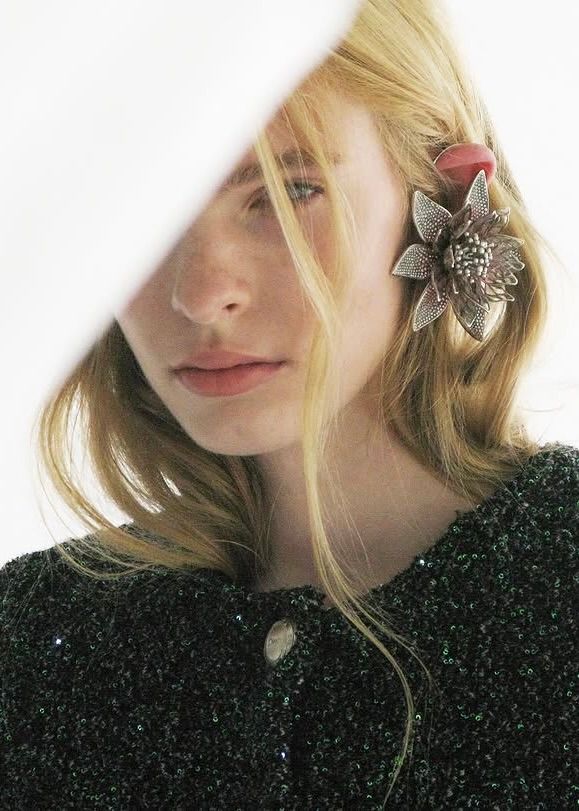
hair: gold
eyes: grey
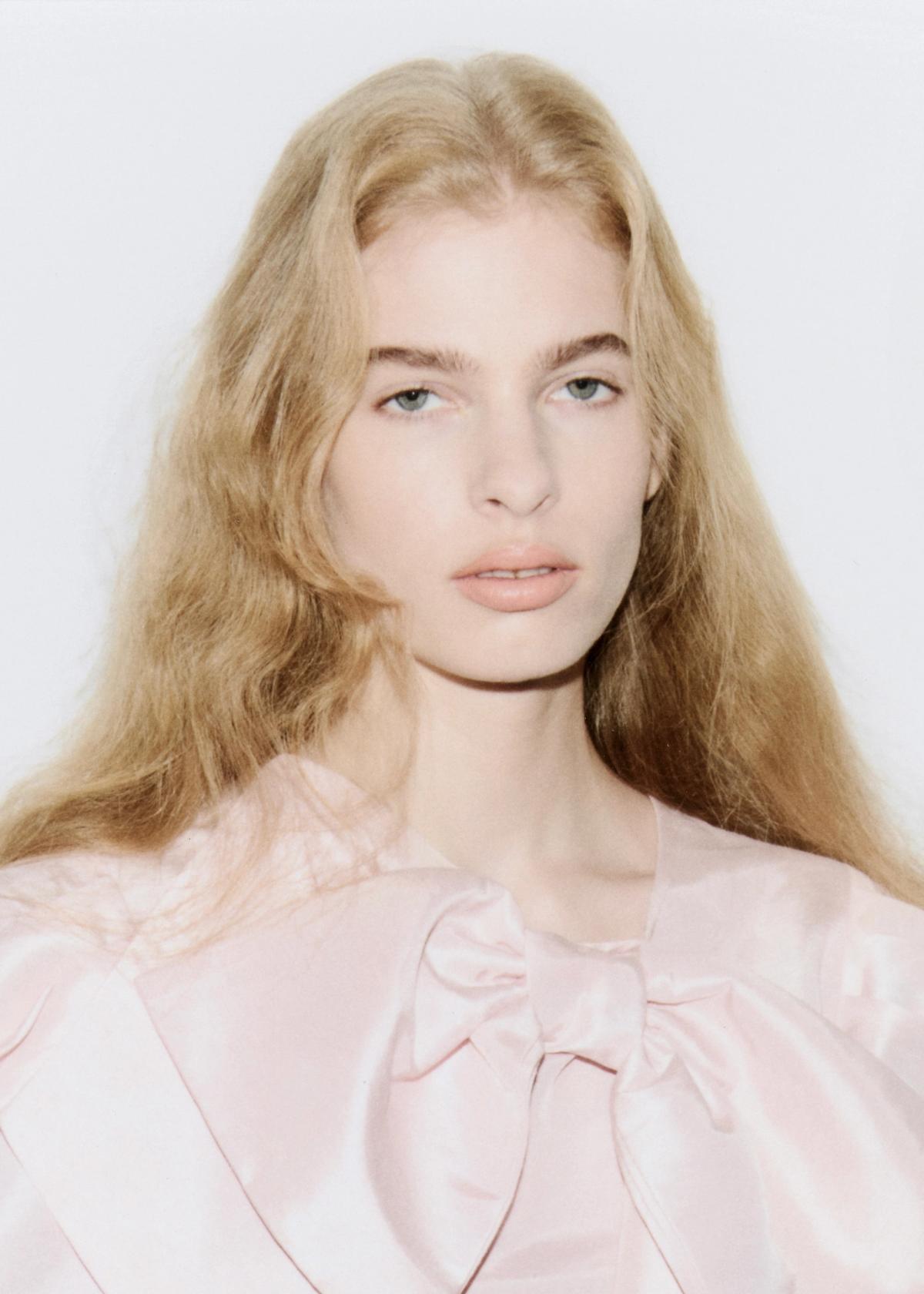
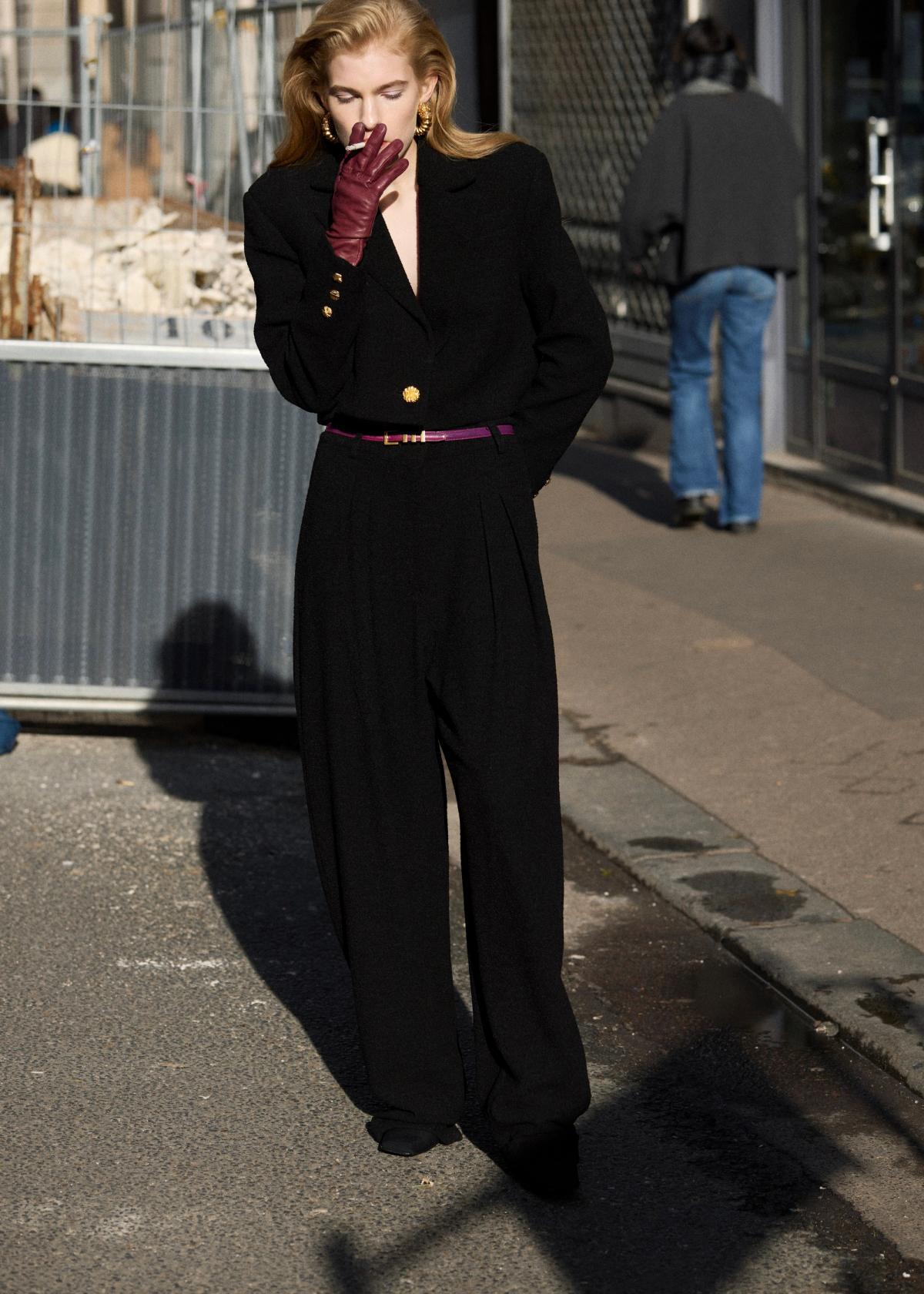
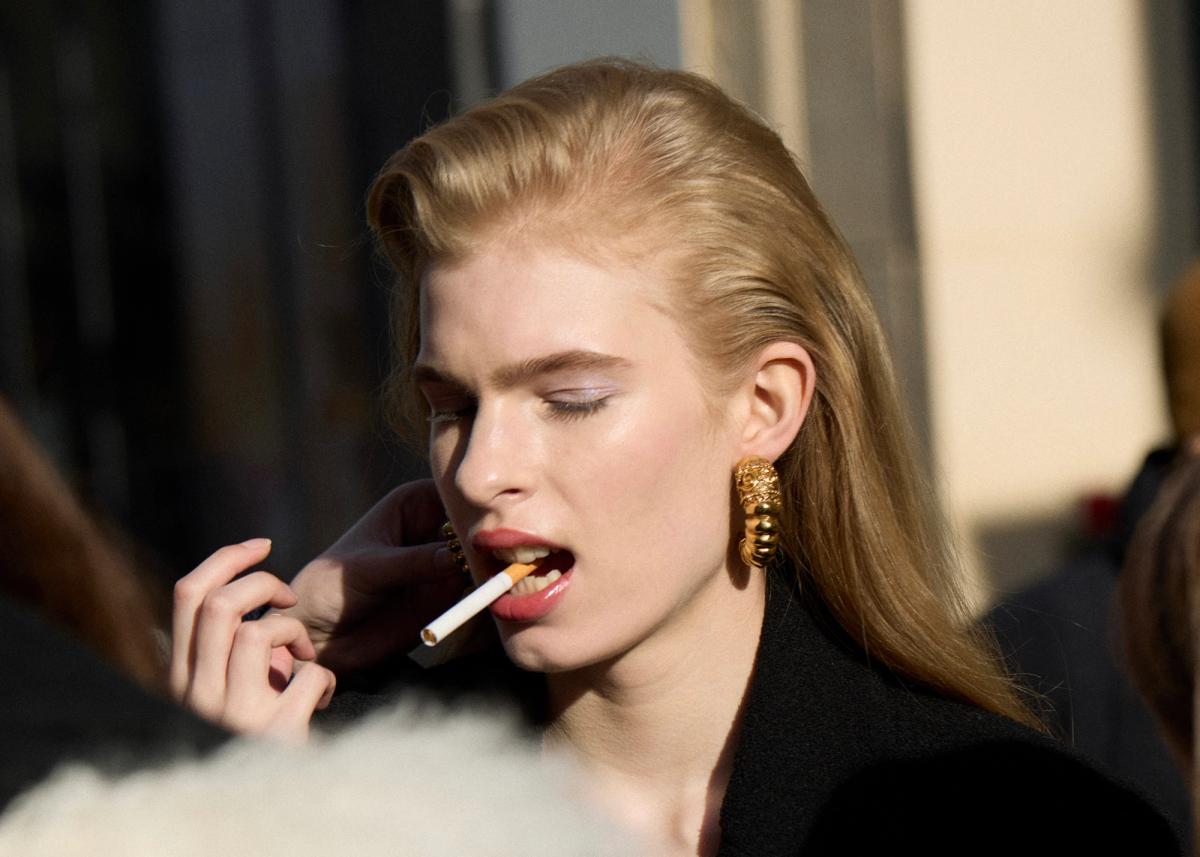
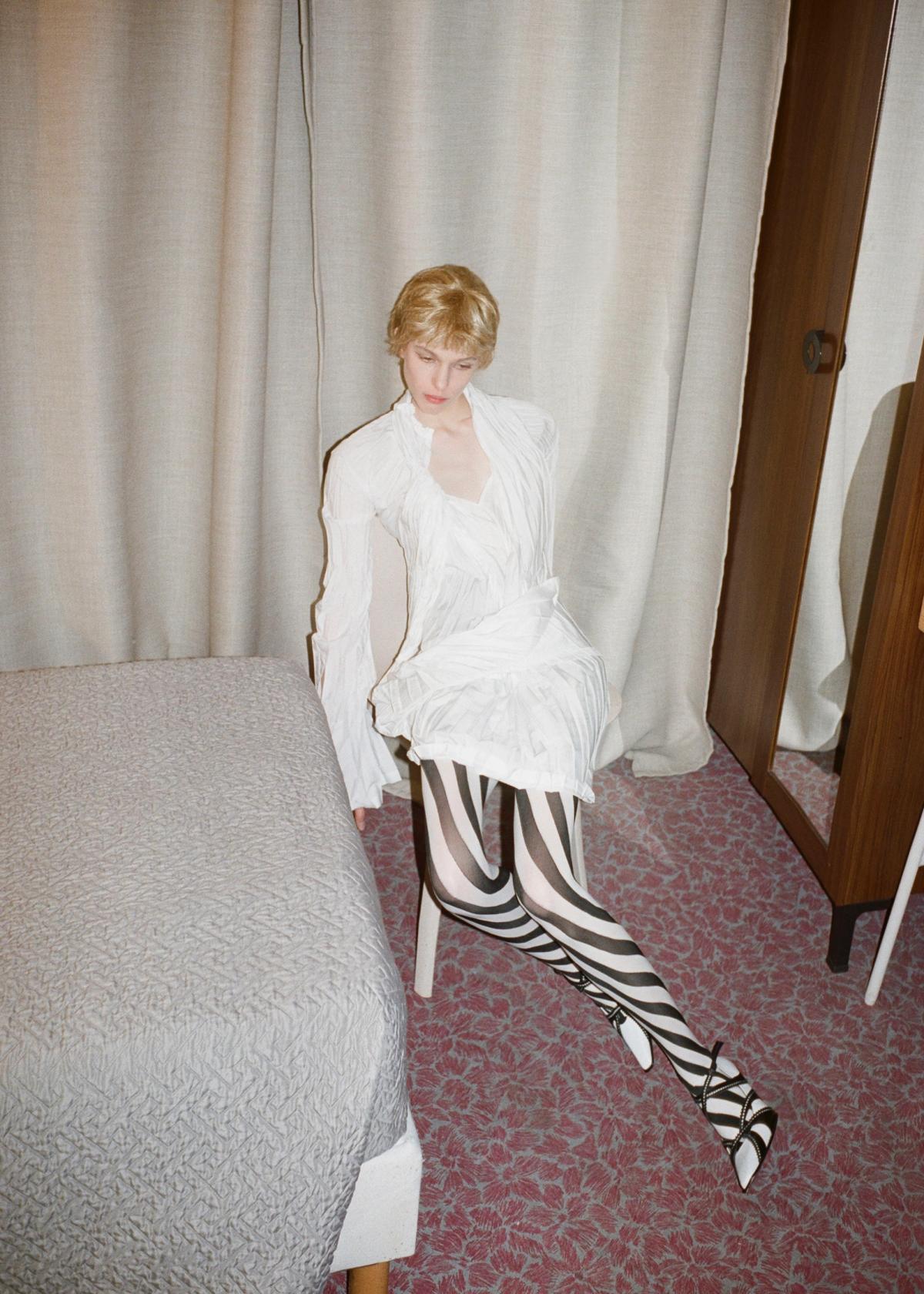
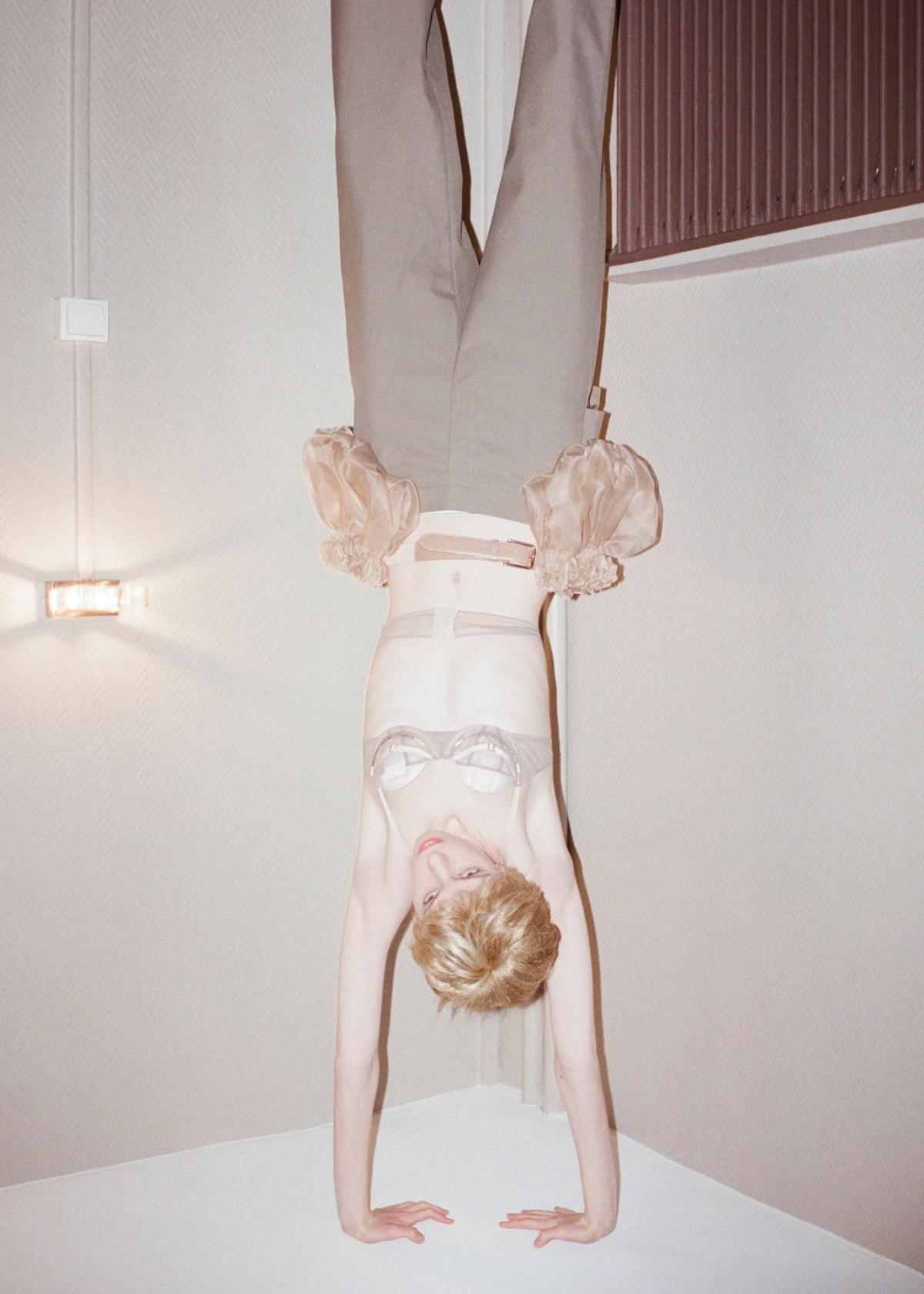
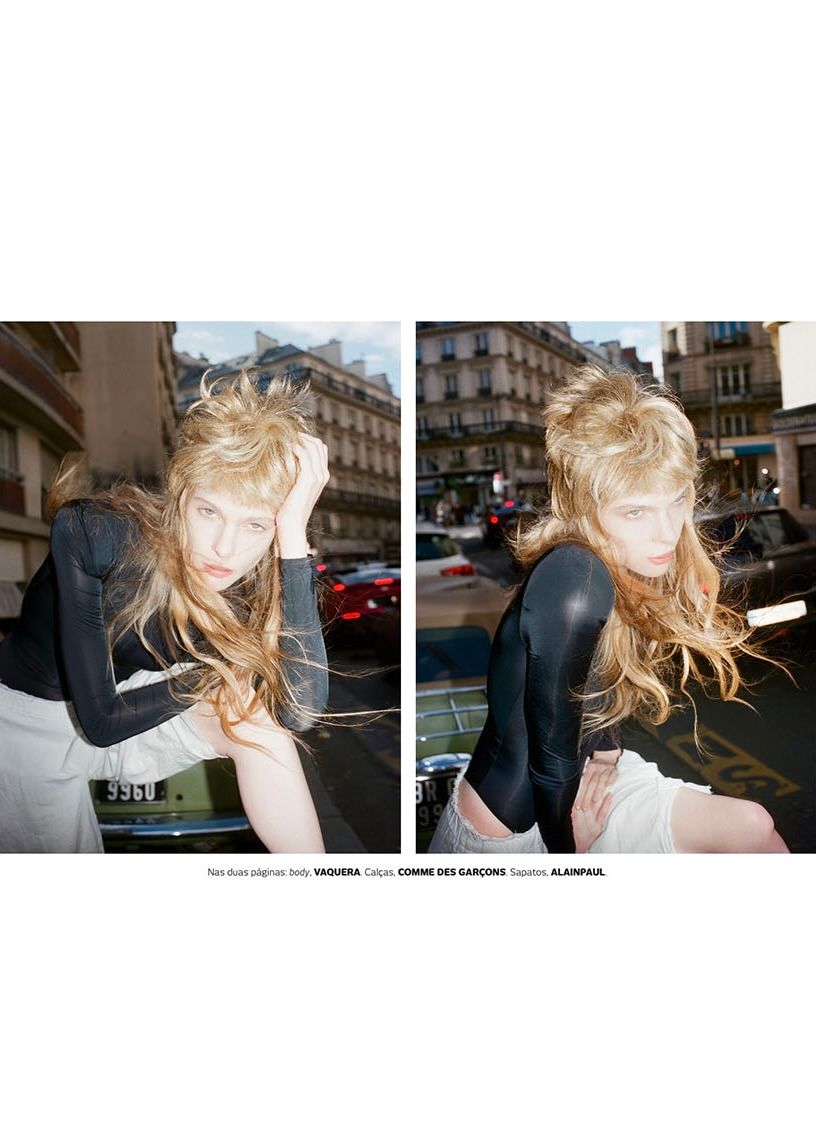
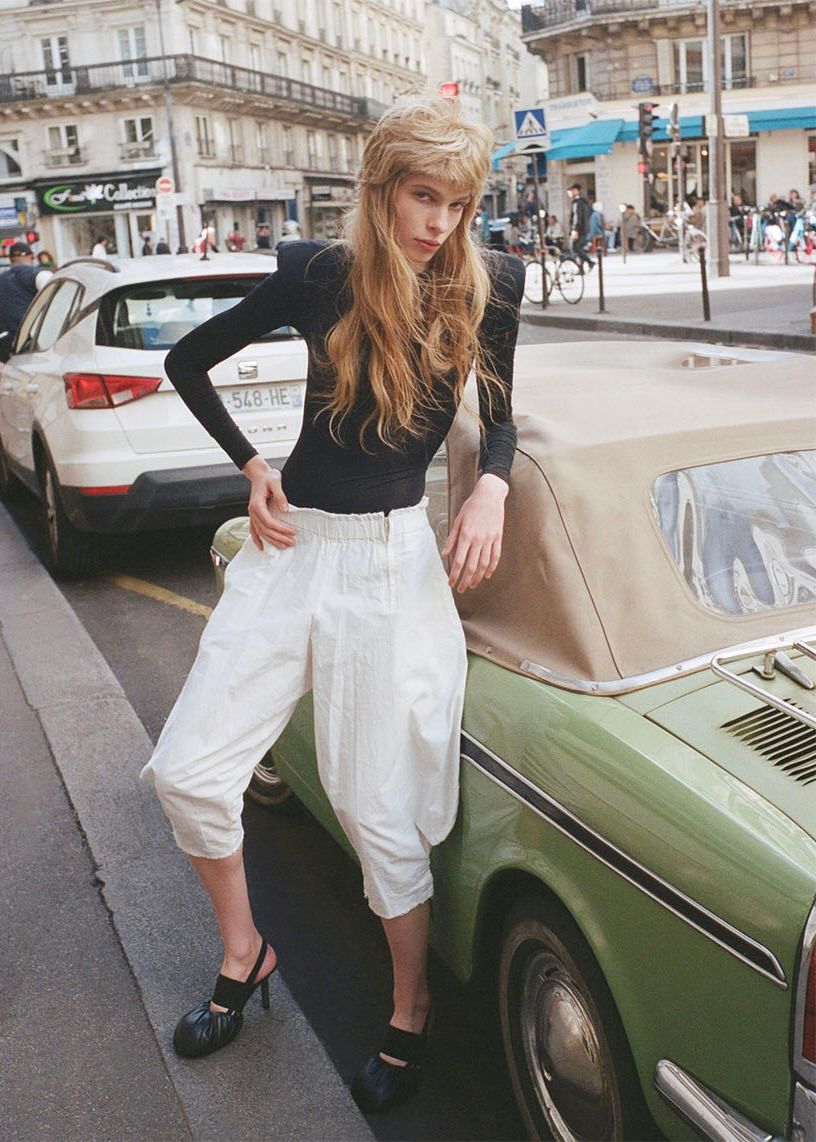
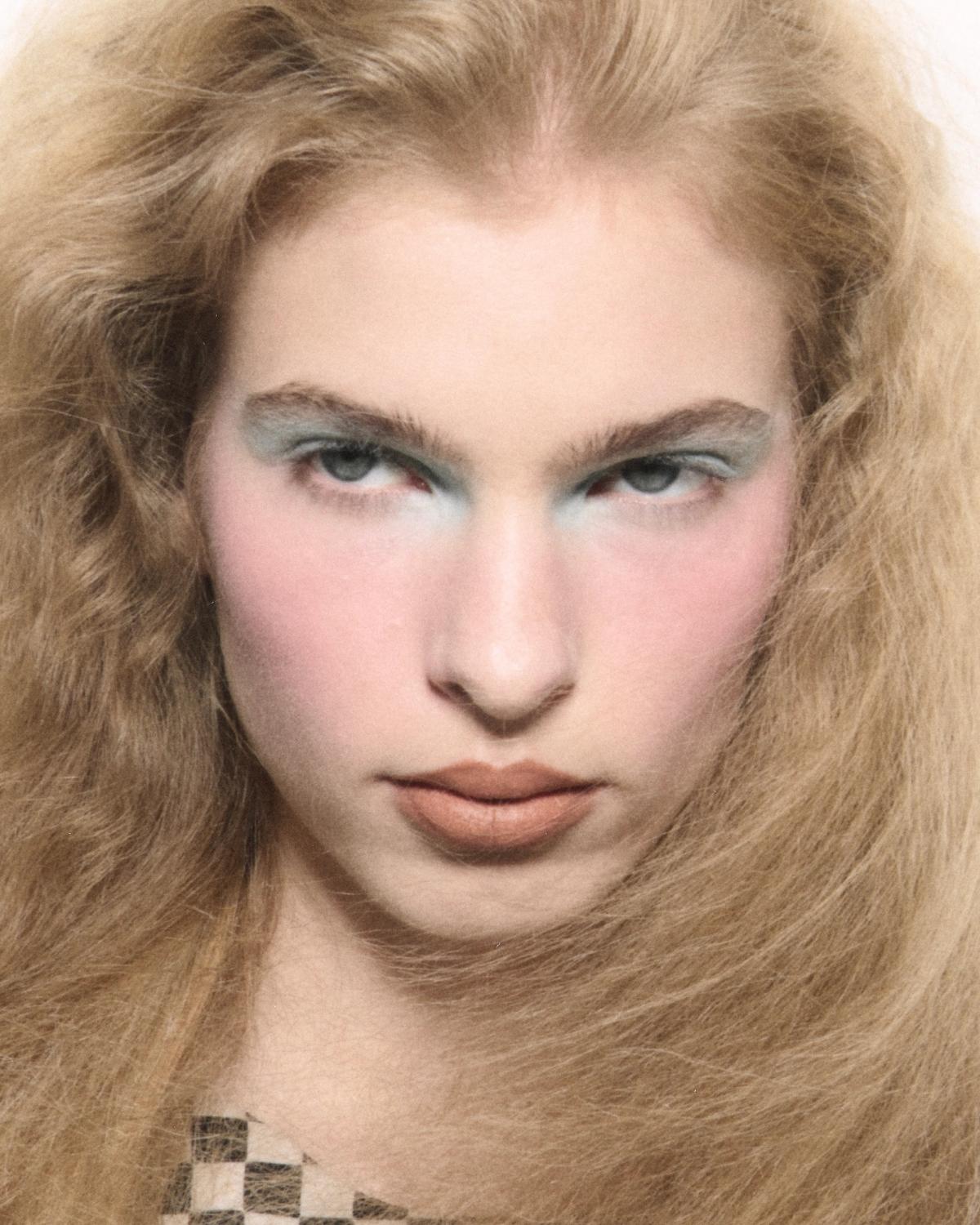
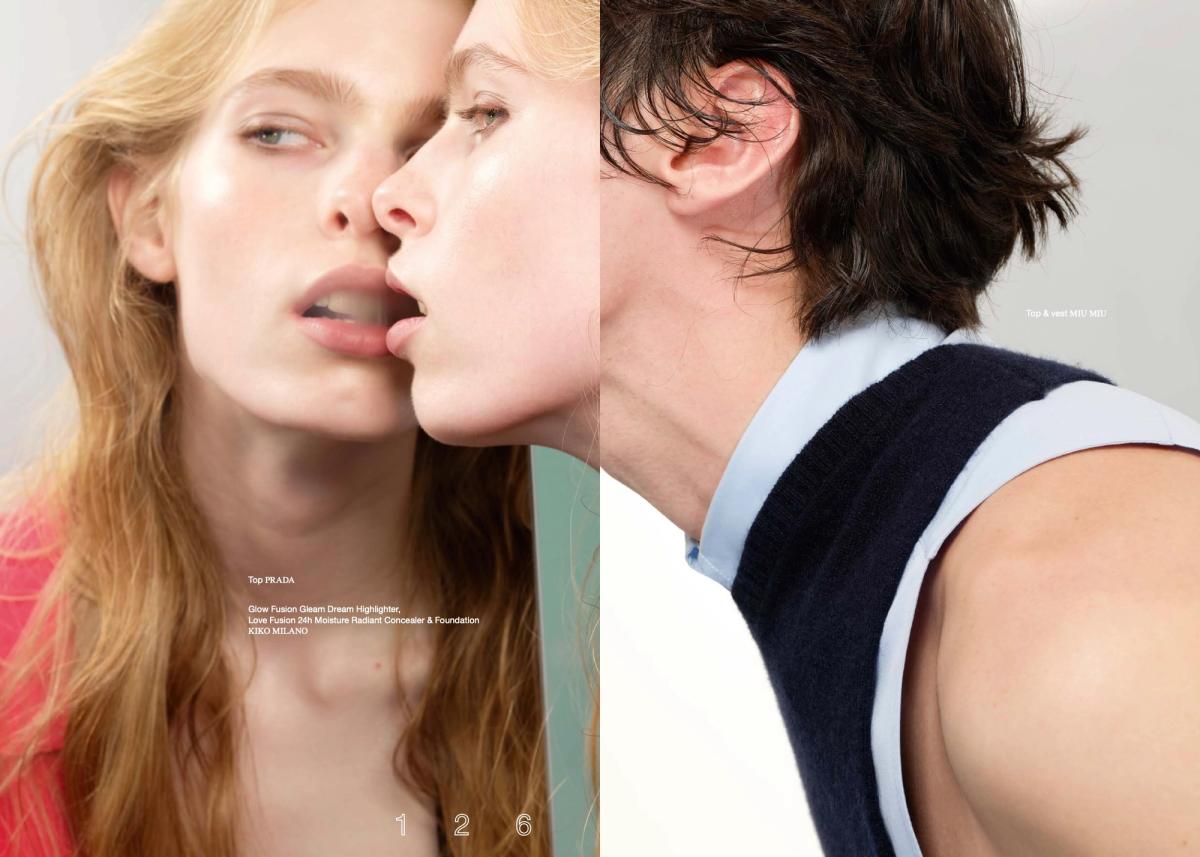
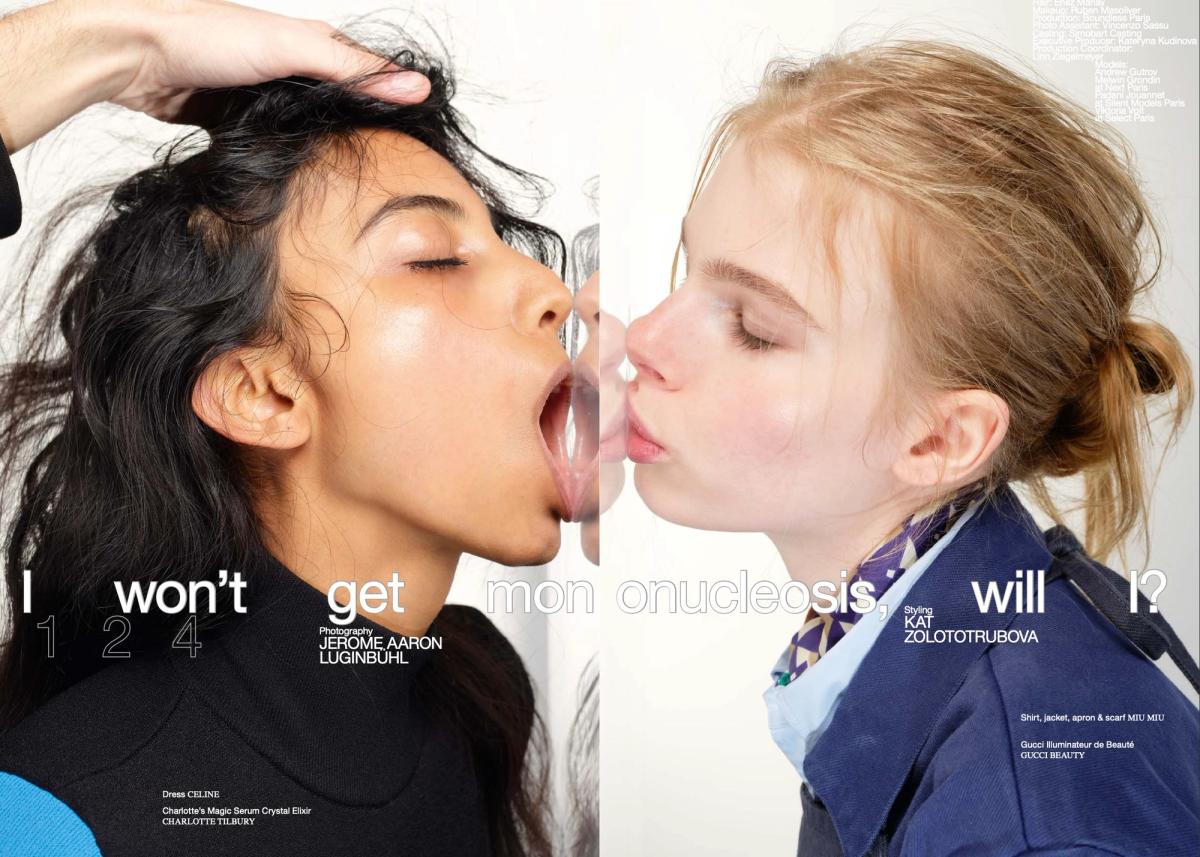
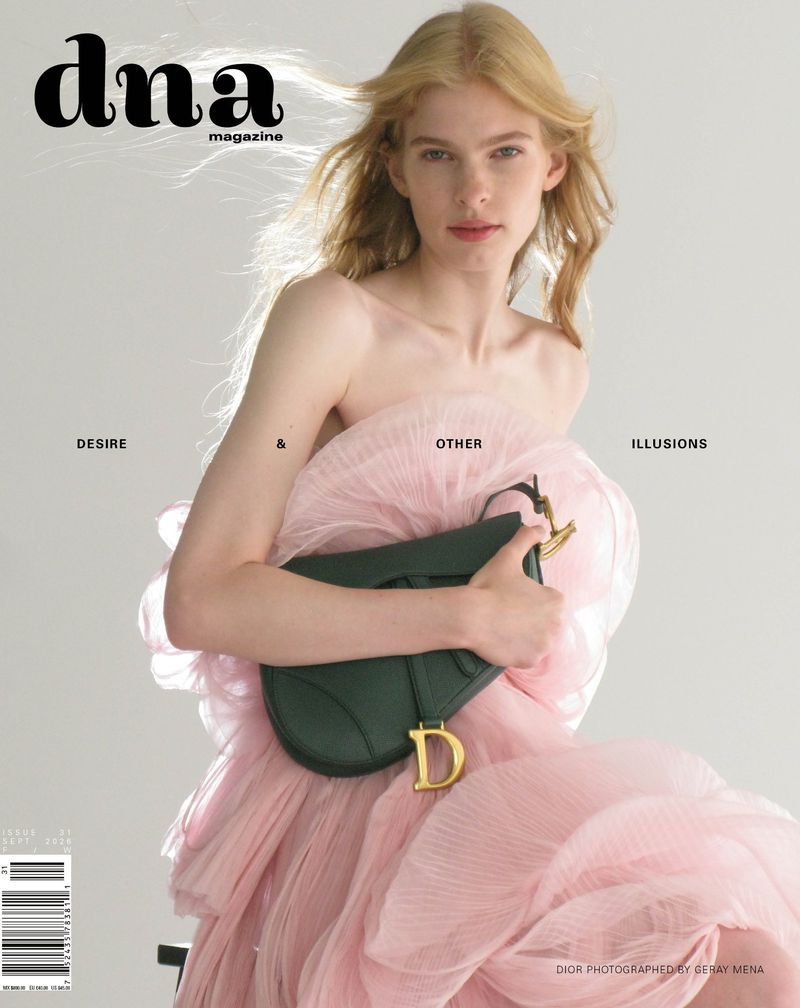
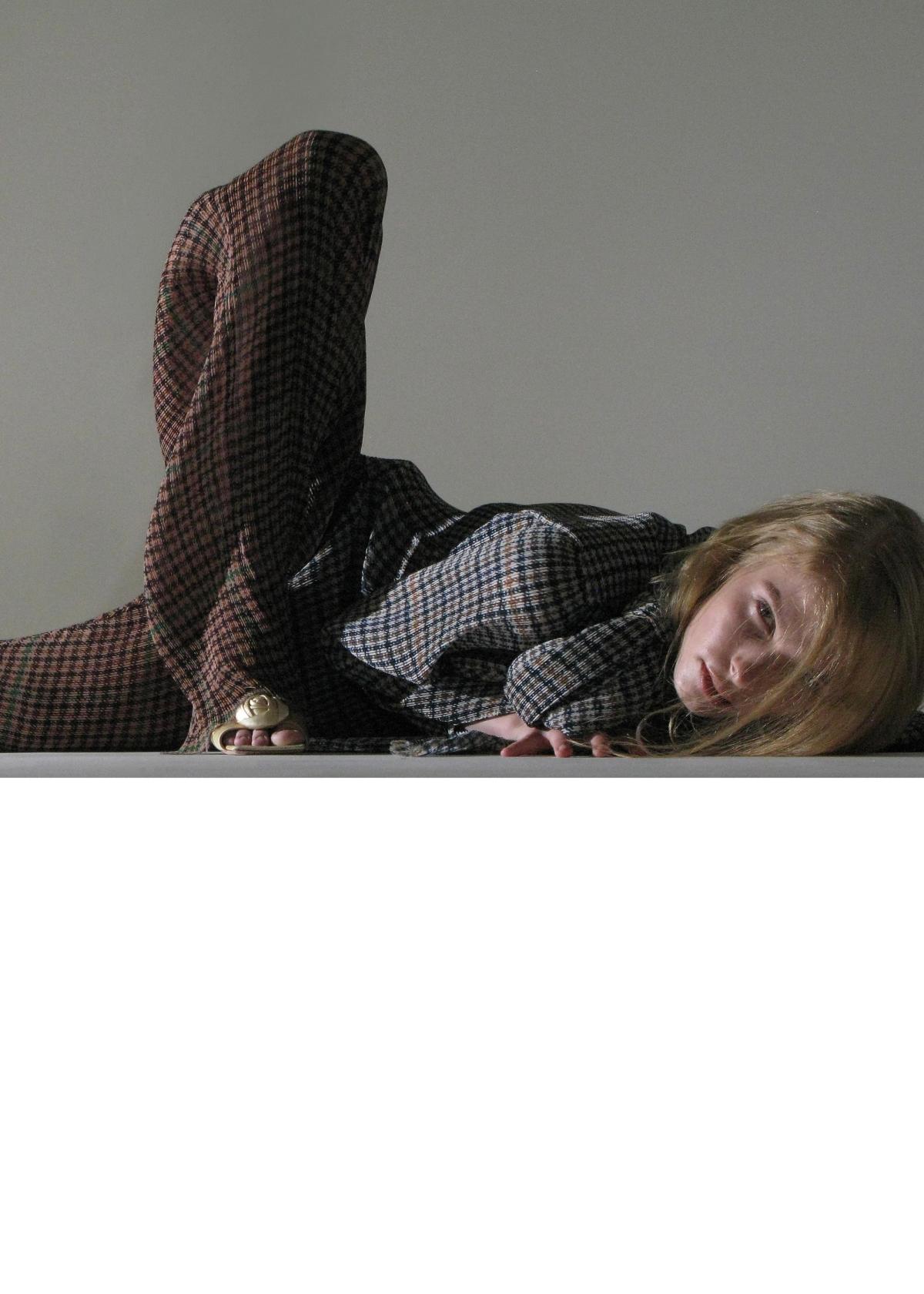
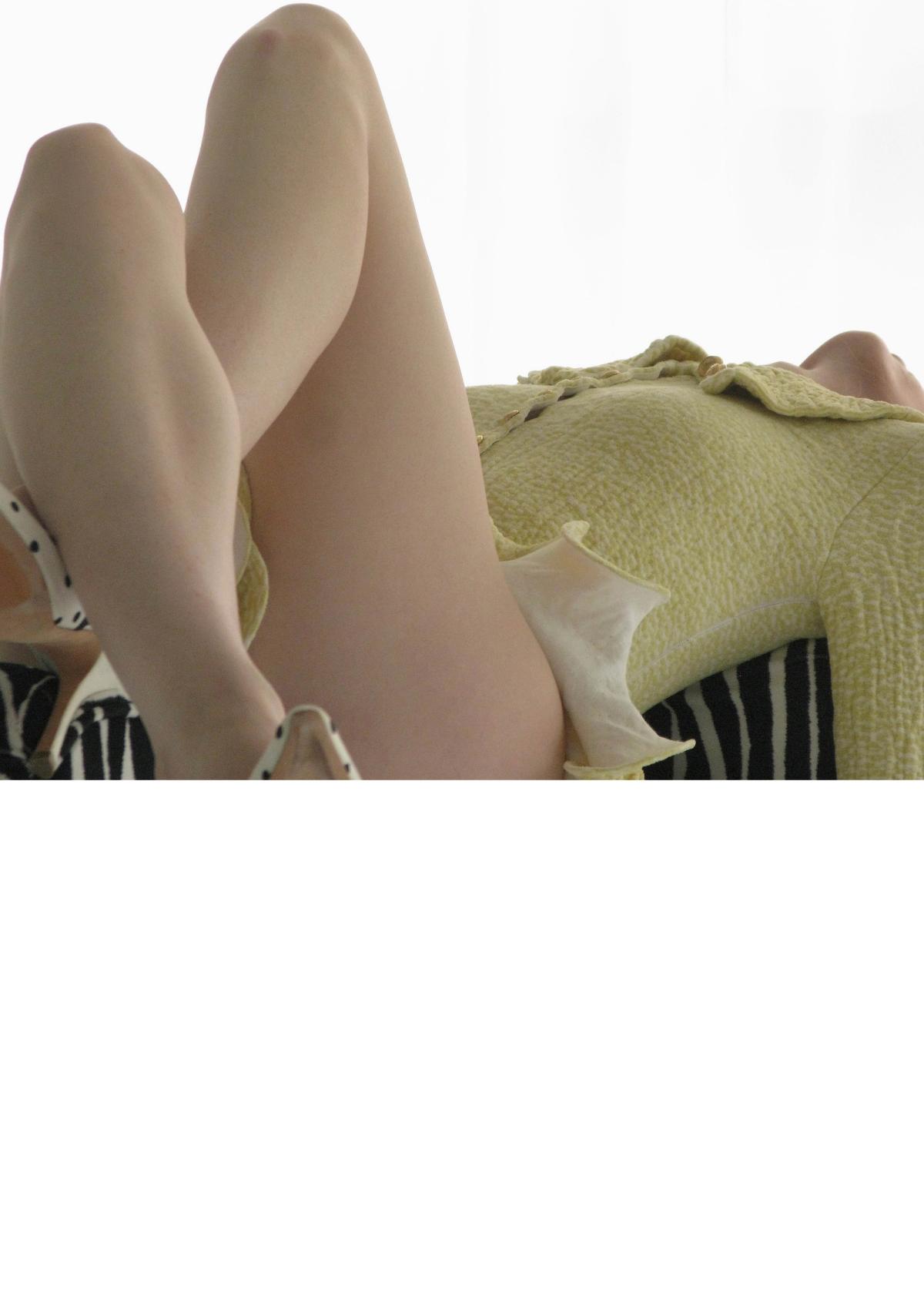
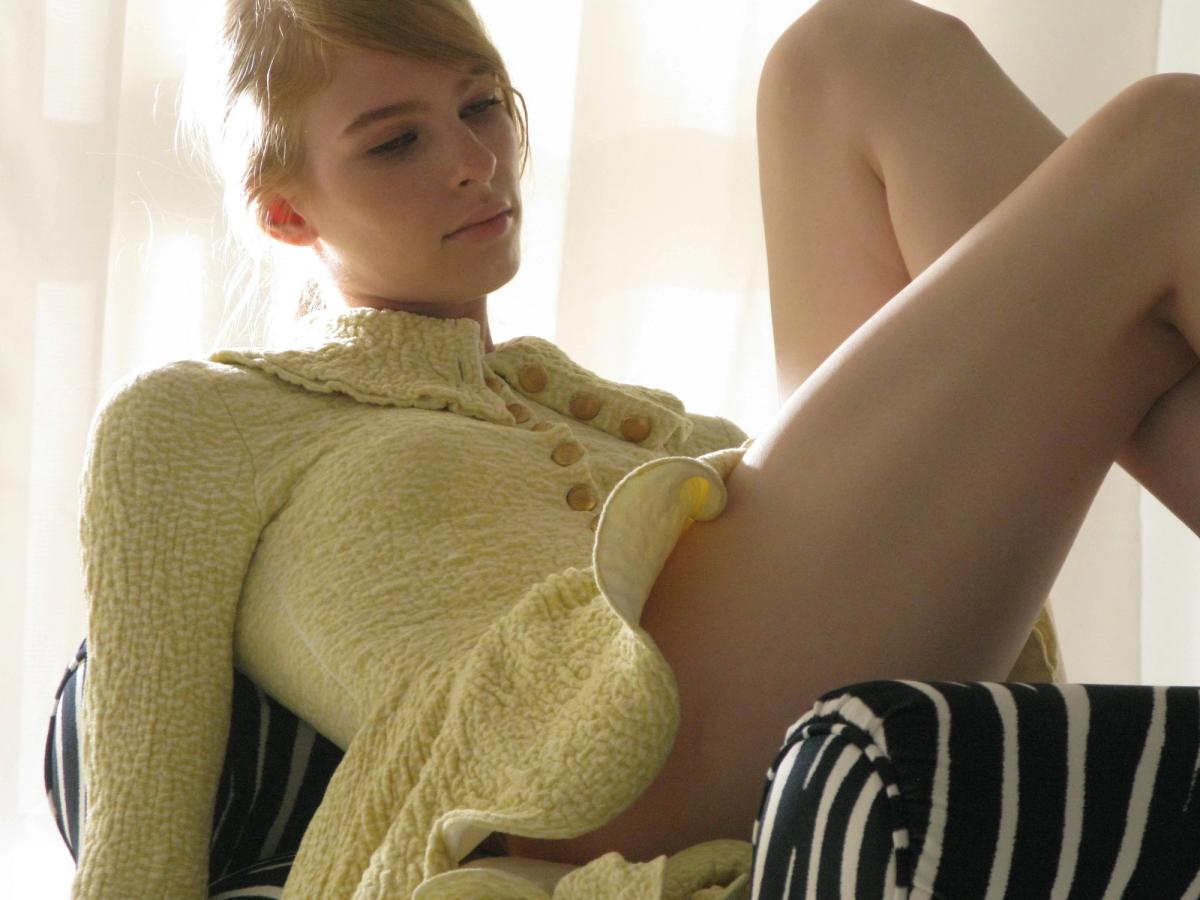
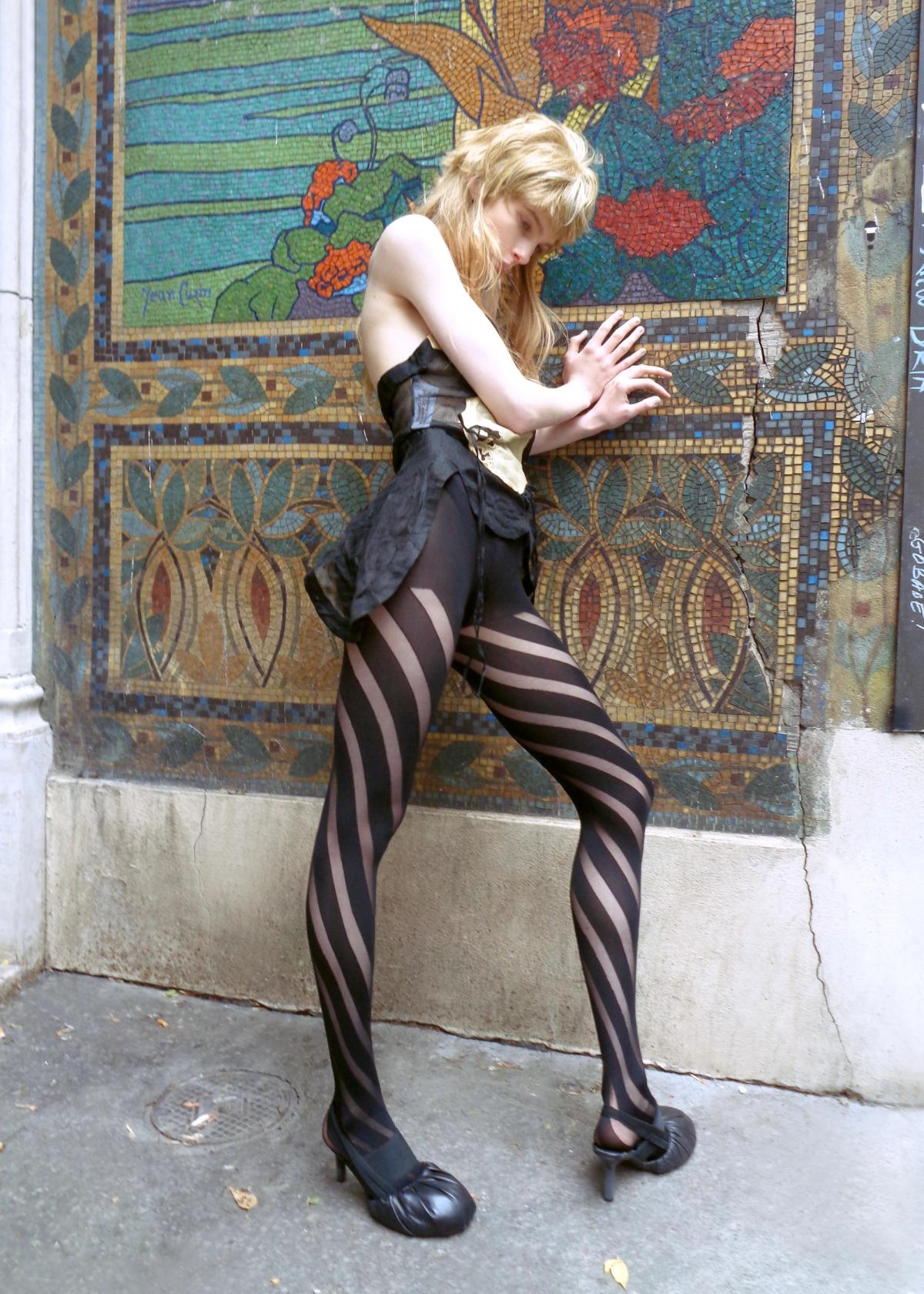
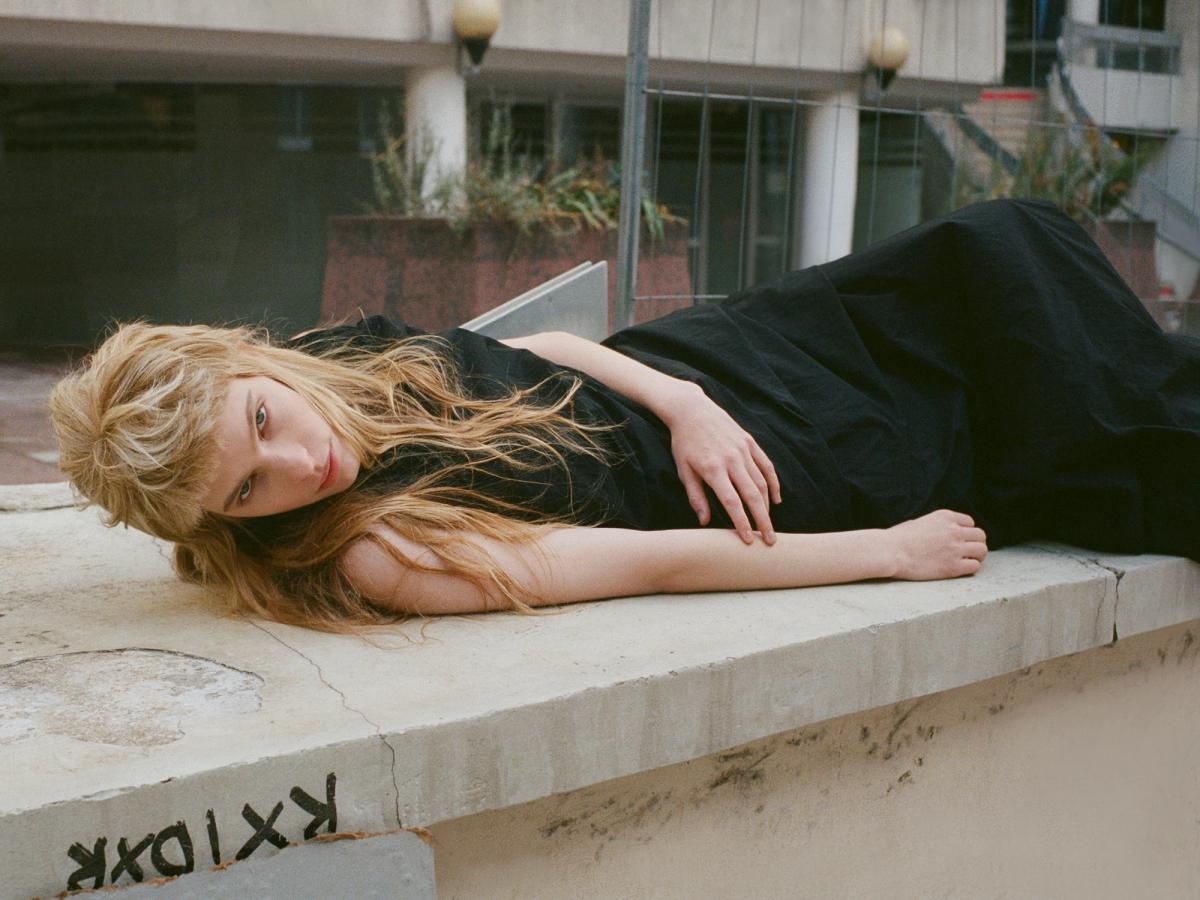
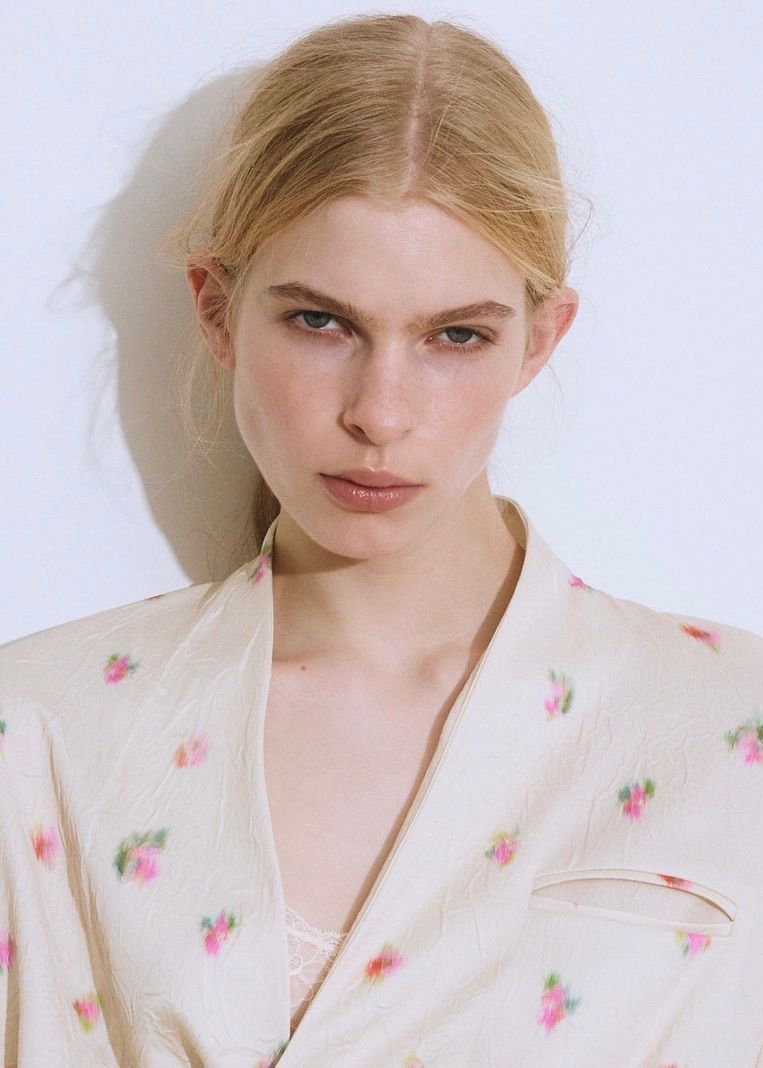
How do you interact with trends: do you follow, transform, or avoid them?
I don't avoid them, sometimes I'm even ahead of them, but I don't follow them either.
How do you cope with waiting and pressure while keeping your energy and inspiration up? I don't really "cope" in any special way. I respect time and I respect the trials life gives me just as much as I respect the opportunities.
What role do music and street fashion play in shaping your image? Music plays the main role. I've been playing drums since I was six and graduated from music school. My first fashion inspirations came from music and from the musicians whose personalities resonated with me.
What magazines, books, or resources do you read for fashion inspiration? Double Magazine, Metal Magazine, Another Magazine, and Yves Saint Laurent by Laurence Benaïm.
Why do you think it's important to know the industry from the inside rather than just being the face of a brand? So you know what you're agreeing to.
How do you prepare for shoots and shows to match the brand's or industry's aesthetic as closely as possible? I learn the shoot's concept in advance, look at how the brand's aesthetic has evolved, and draw inspiration from music and silent meditation. That's how I fully absorb and understand the aesthetic the client needs.
Classic or experimental? Classic with a kick.
Inspiration or discipline?
Discipline. Inspiration will come on its own.
Dreams or action? Action. Act even if it means taking a risk.
If you could be part of a shoot with an iconic photographer, who would it be? Mario Sorrenti.
Which legend would you want to be on a shoot with? Carmen Kass.
If you could choose another career unrelated to modeling, what would it be? A film editor/director, or a physicist.
What quality do you consider your superpower? A cold, calculating mind.
Recommend some films to your followers that inspire you. Irreversible (dir. Gaspar Noé), Persona (dir. Ingmar Bergman), Twin Peaks (dir. David Lynch), Mirror (dir. Andrei Tarkovsky), Dial M for Murder (dir. Alfred Hitchcock).
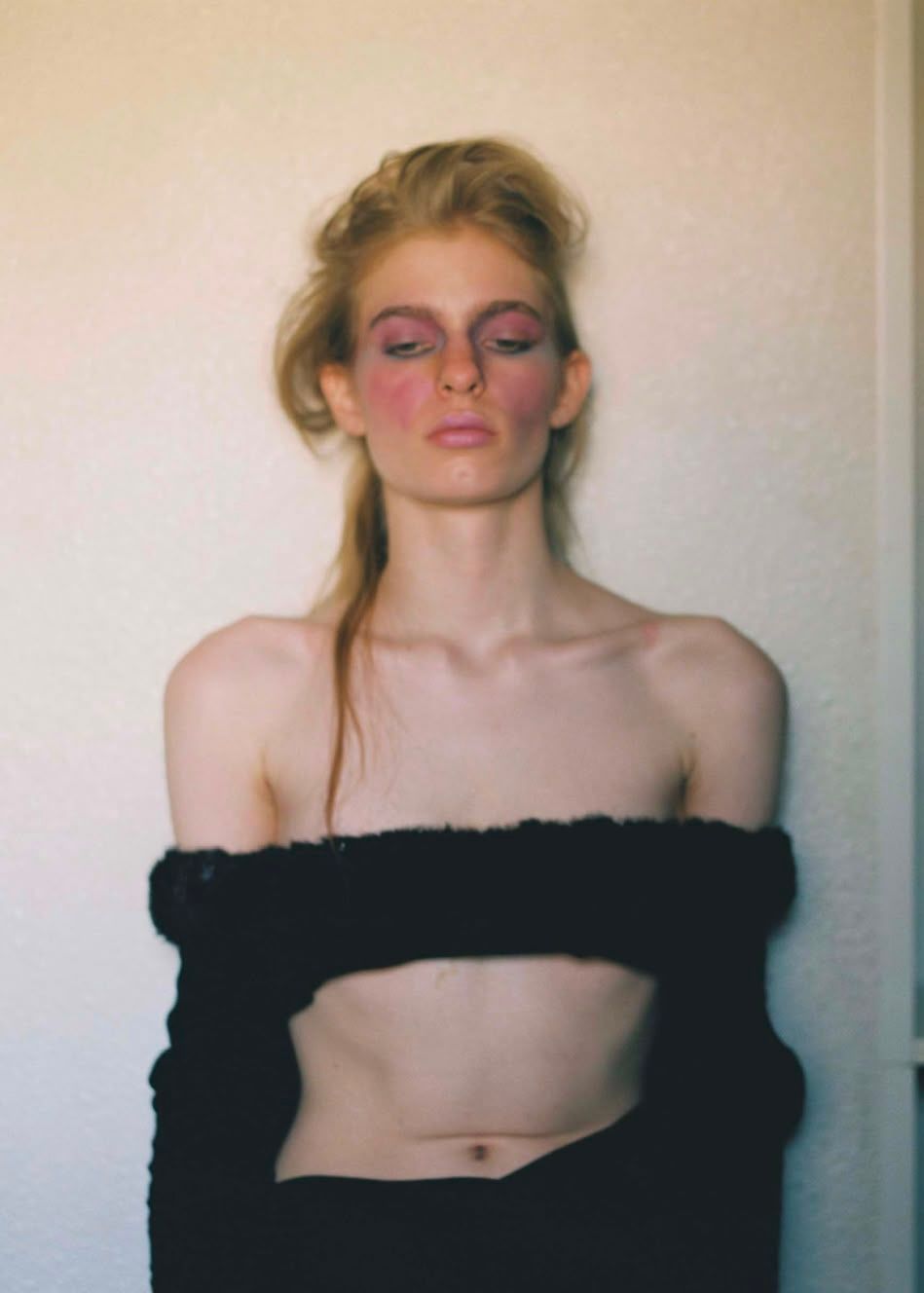
A lot of people in the industry treat modeling as a stepping stone rather than a craft. How do you see this problem from the inside?
Modeling has changed a lot. I don't think you can look at it as just a stepping stone anymore. If you want to build a career in this industry, you need to master many different skills, you have to be a true multitool. You have to be someone who can bring something unique to fashion, someone who creates a real synergy with the industry rather than simply existing within it.
And what does an approach that actually works look like, not just surviving, but building a real, intentional career? It's closely connected to my previous answer. But I'd also add that strong relationships, professionalism, reliability, and kindness are essential. You need to understand what you're doing, why you're doing it, and where it's leading you. Every project should contribute something meaningful to your growth, whether it's experience, exposure, or a new connection.
What do you do when you don't have to pose, freeze, and look mysterious? A part of this job is being able to fully step into a character, even when it isn't one you naturally connect with. But just as important is being able to step out of that role in a second and focus on the people around you. You have to listen and, more importantly, really hear the creative team you're working with. Modeling isn't just about expressing yourself, it's about collaboration.
Do you believe in networking, or is it just a nicer word for "survival"? Networking is incredibly important. It's how people get to know you as a "person," not just as another face. You have to be open and approachable. As an introvert, that doesn't always come naturally to me, but honestly, who said it was supposed to be easy? It's part of my job, and I can't afford to behave differently. Being open, respectful, and engaged is part of being a professional.
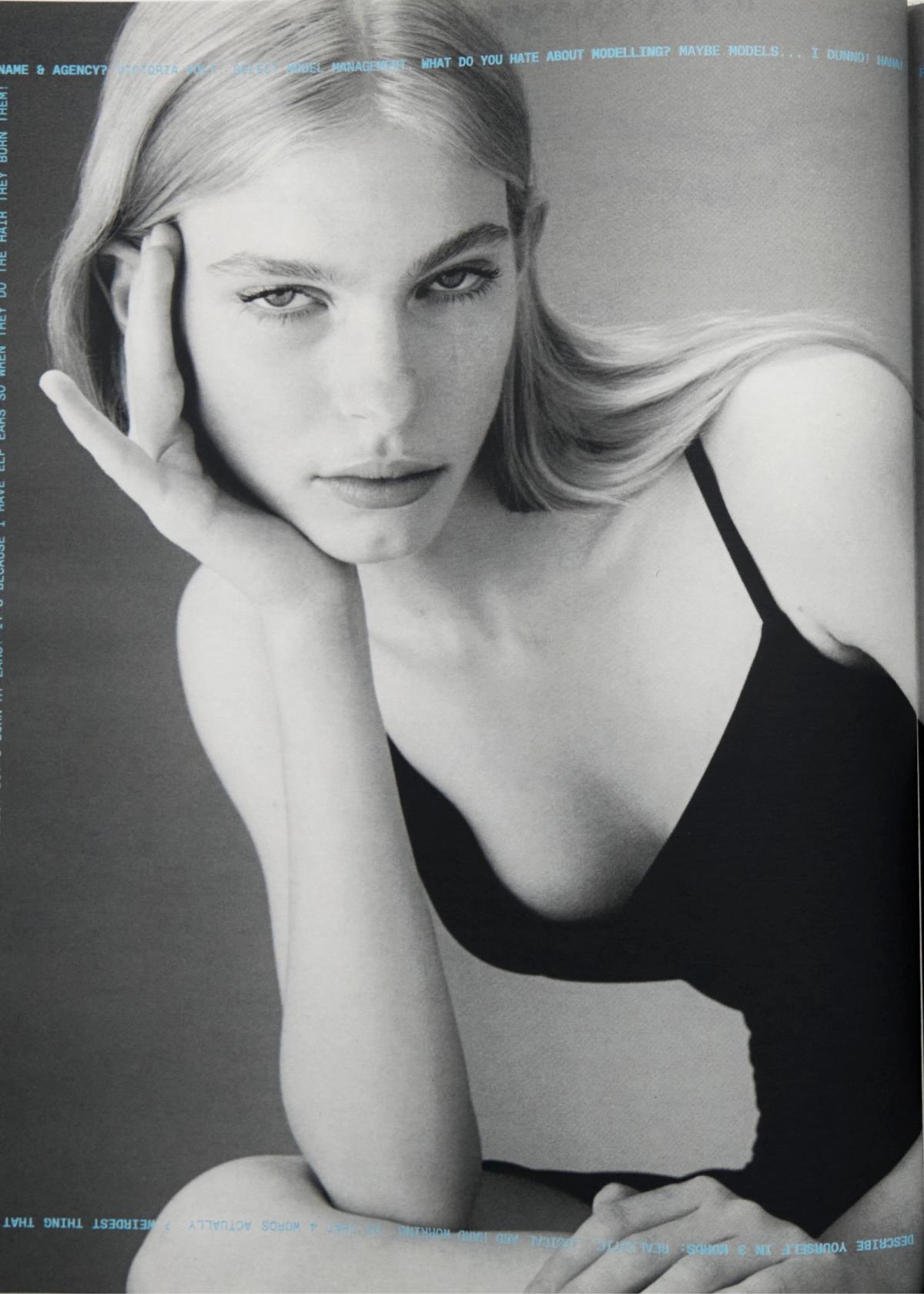
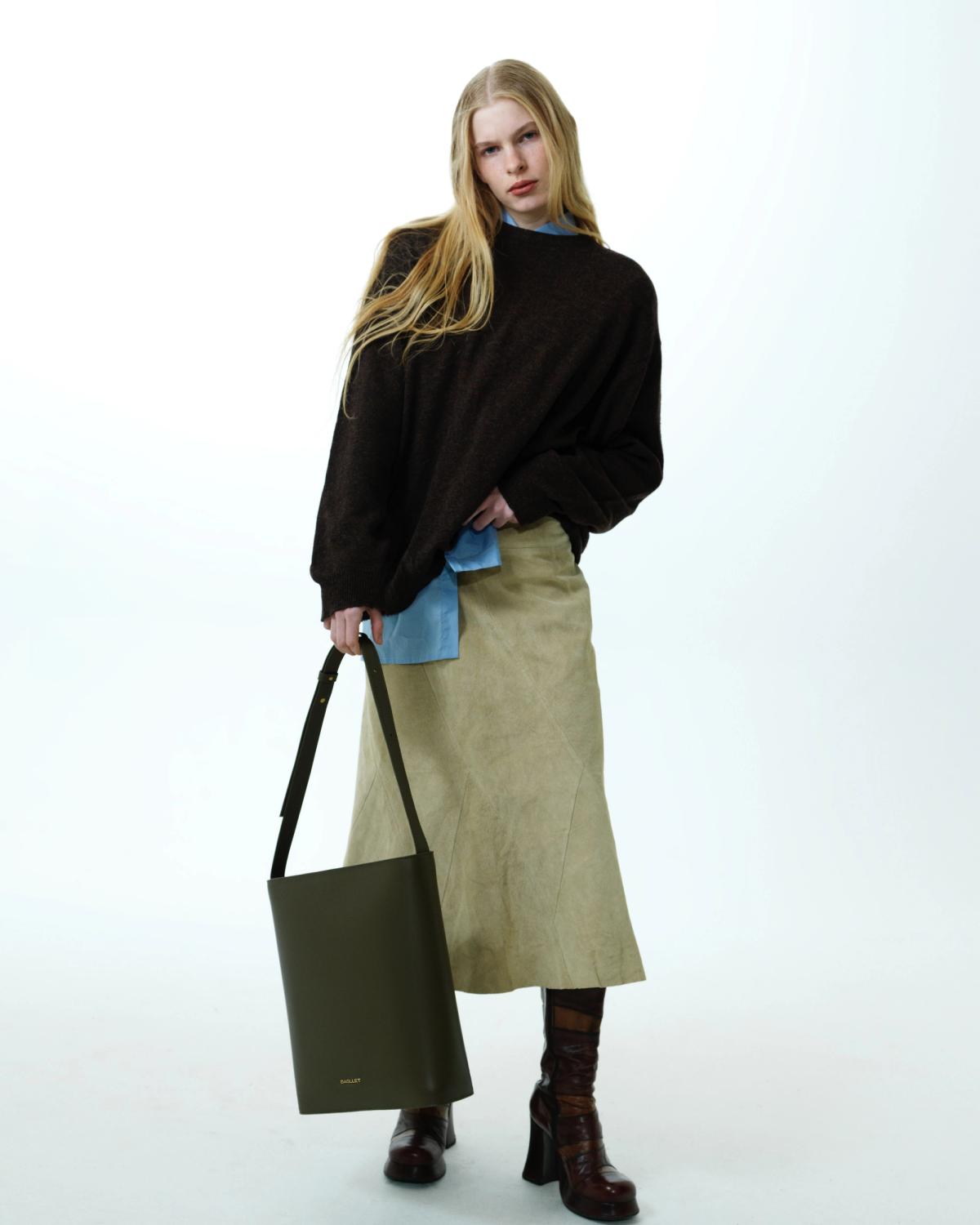
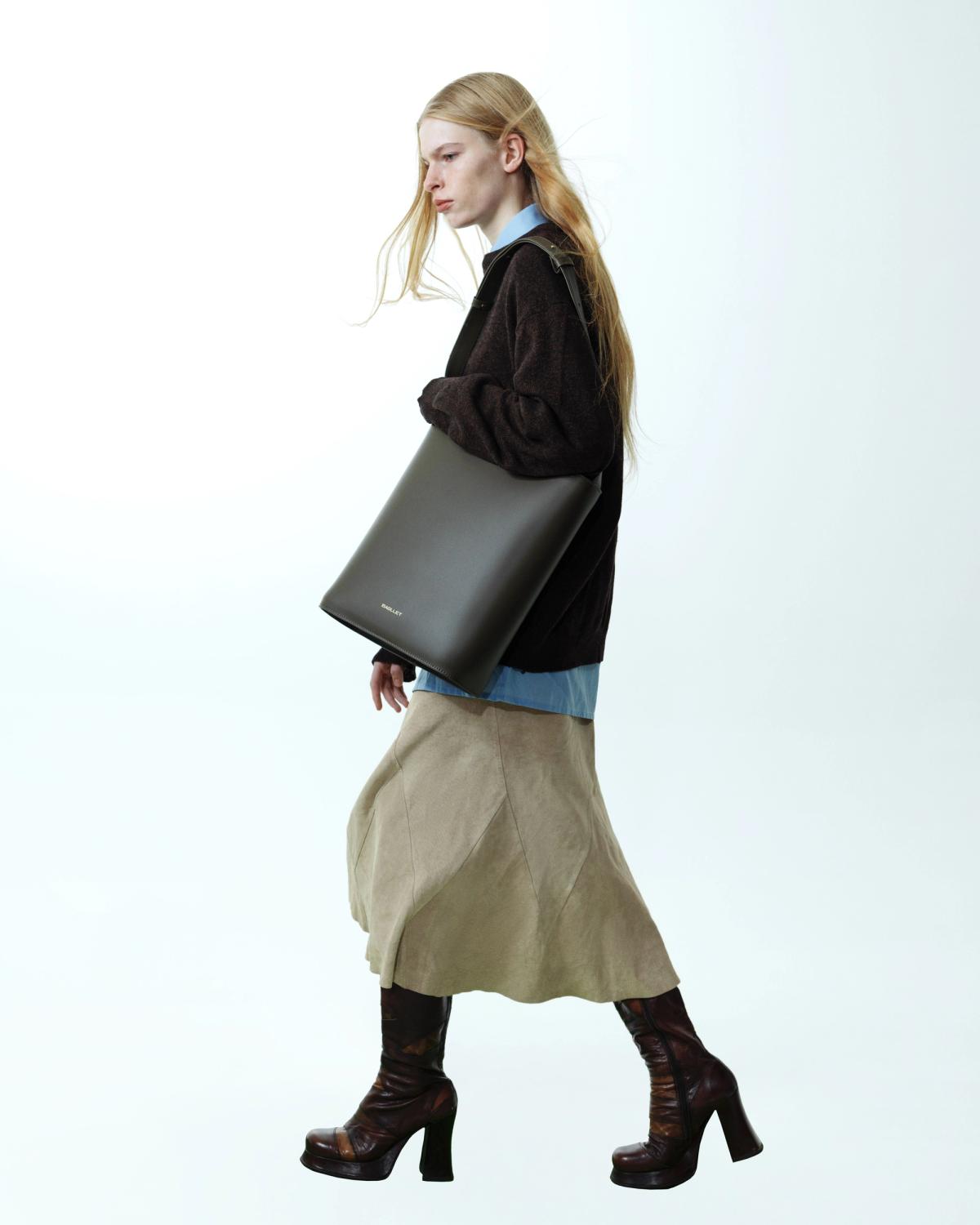
How would you describe your personal visual code?
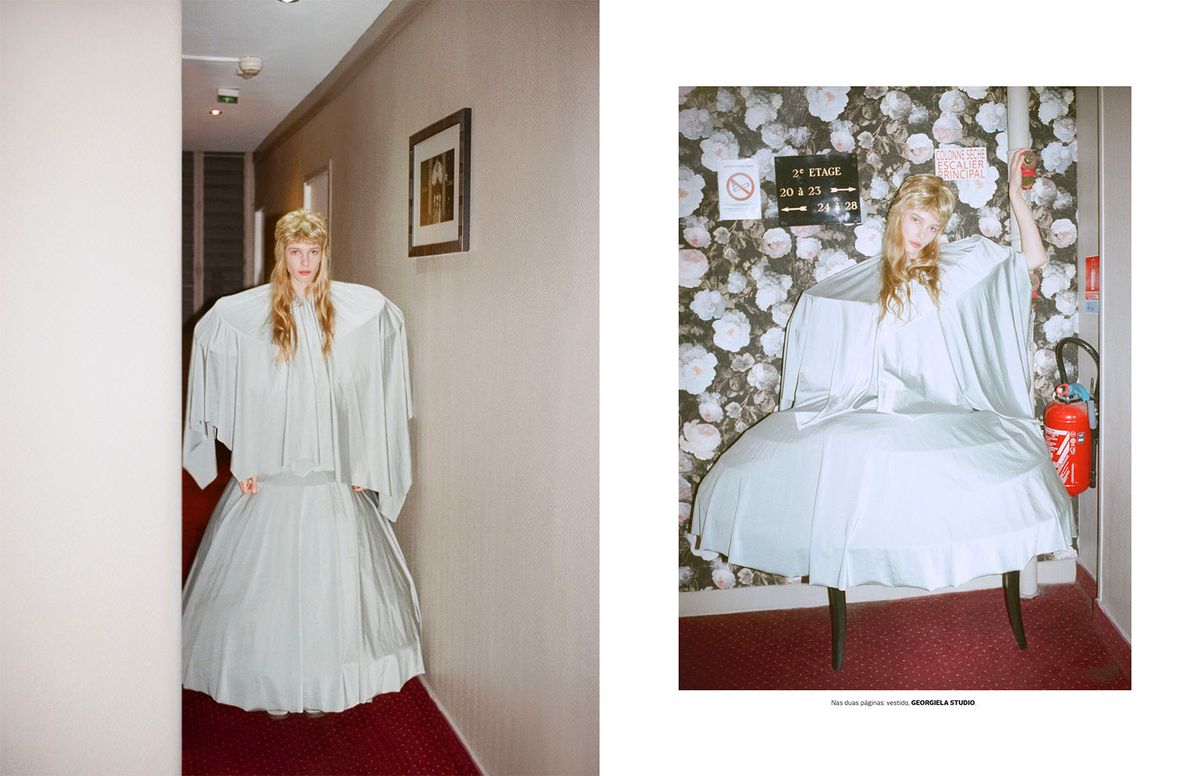
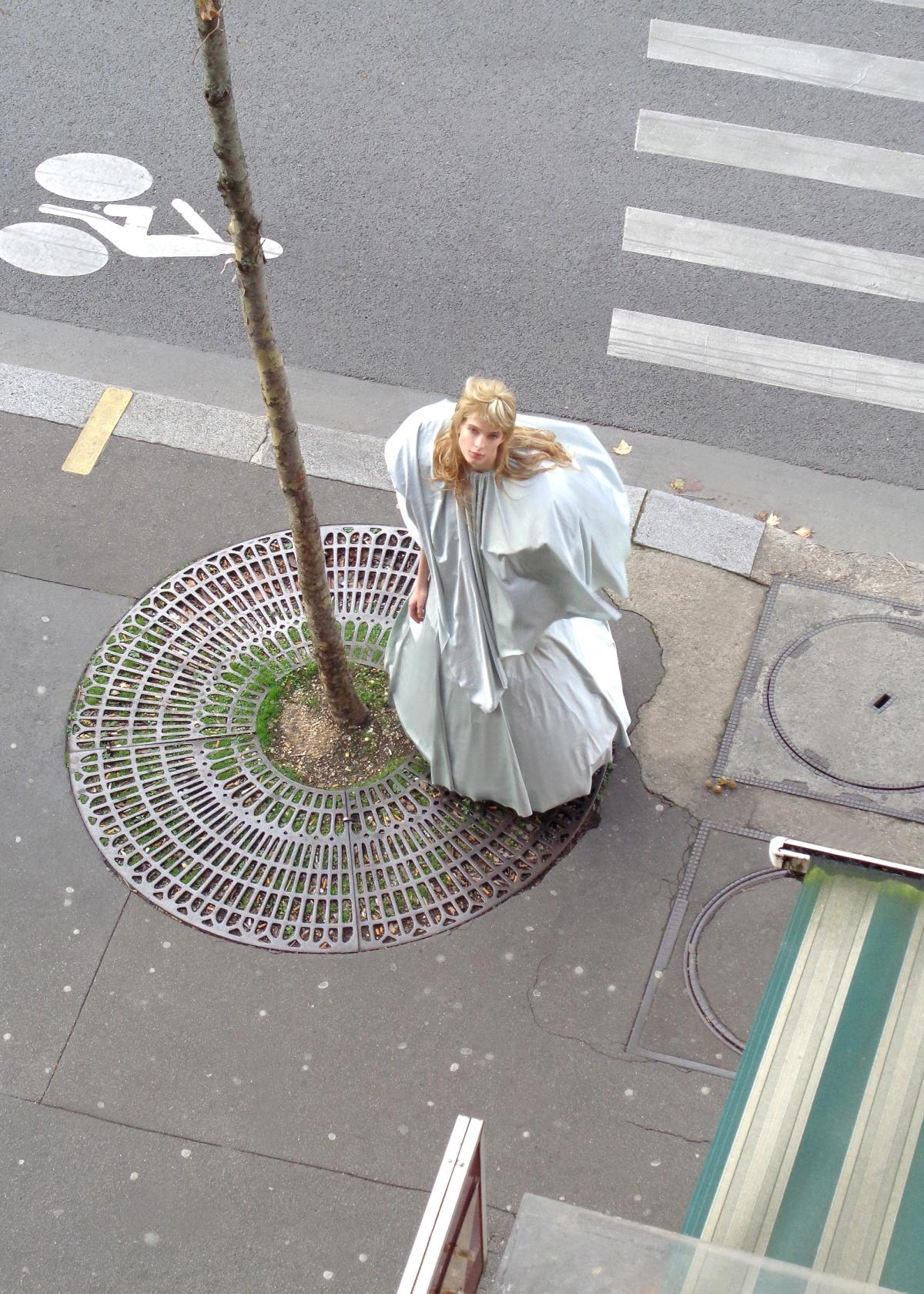
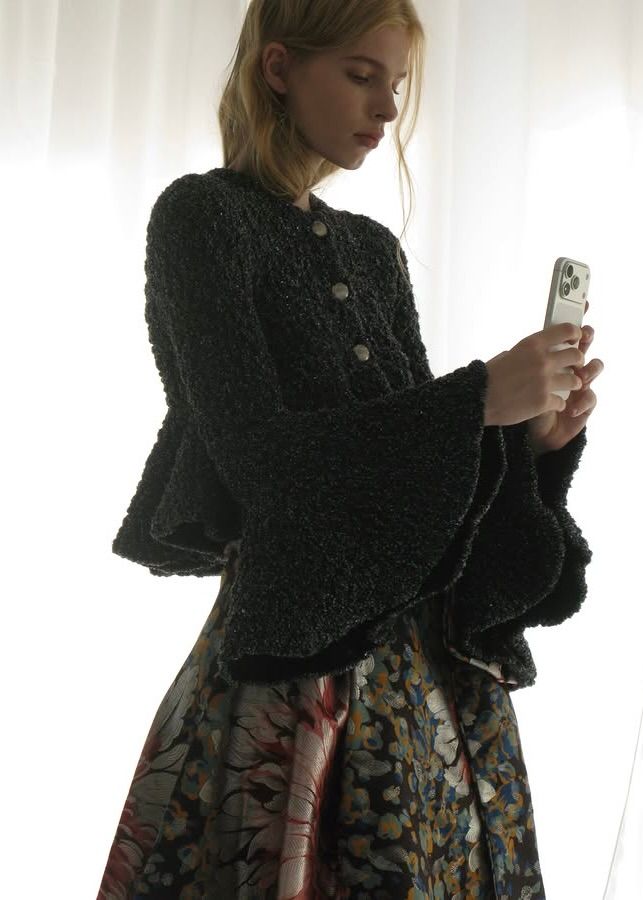
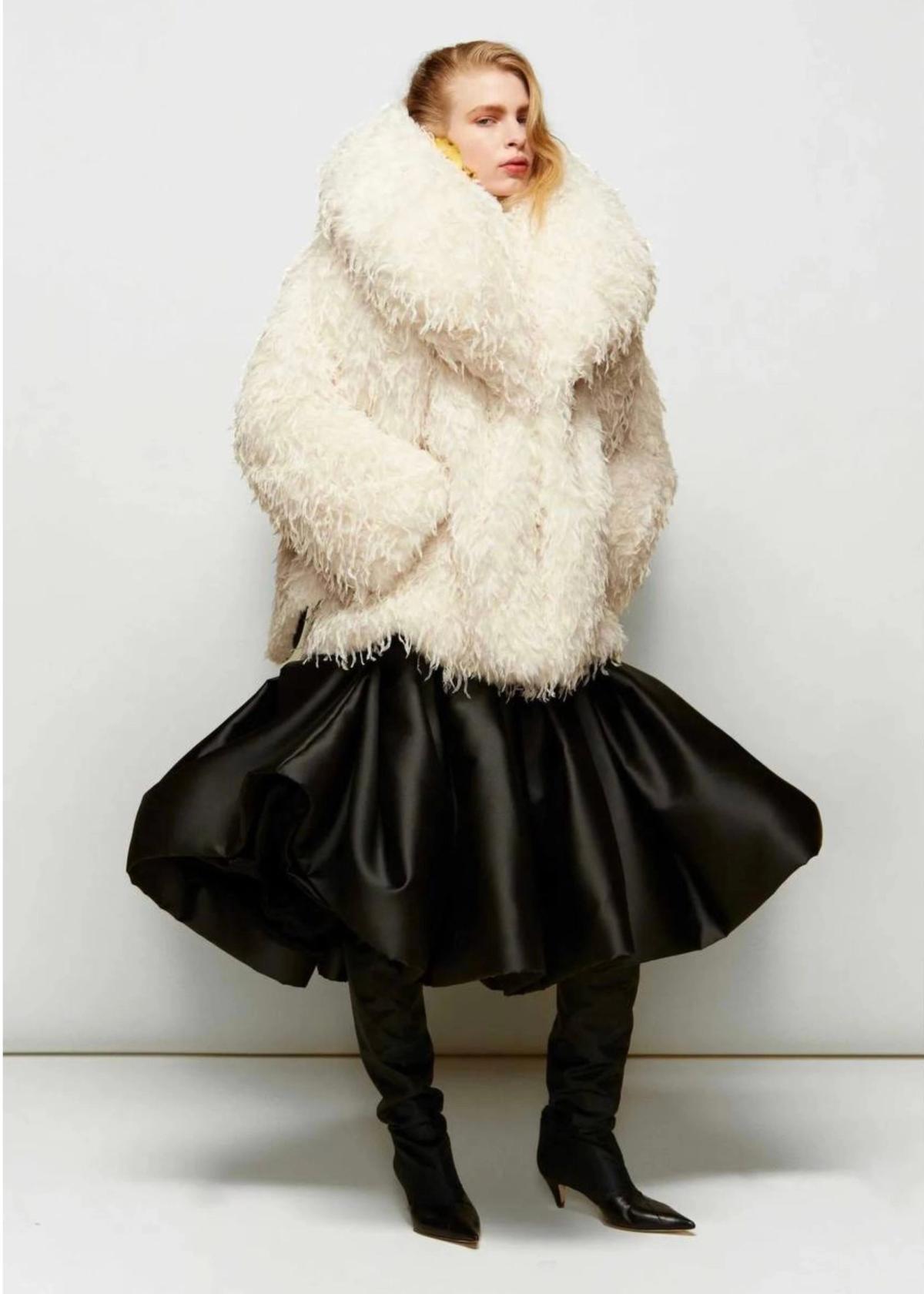
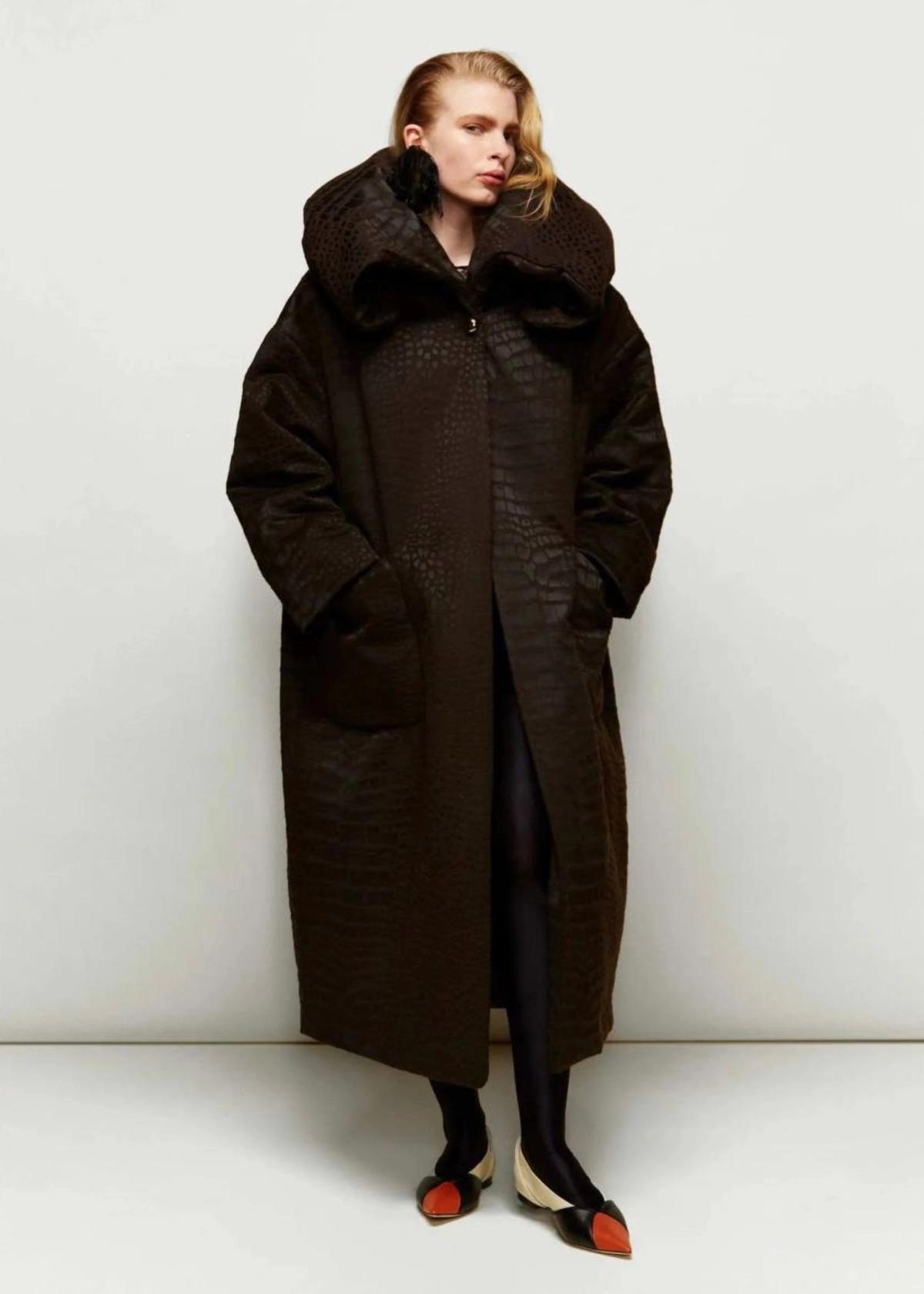
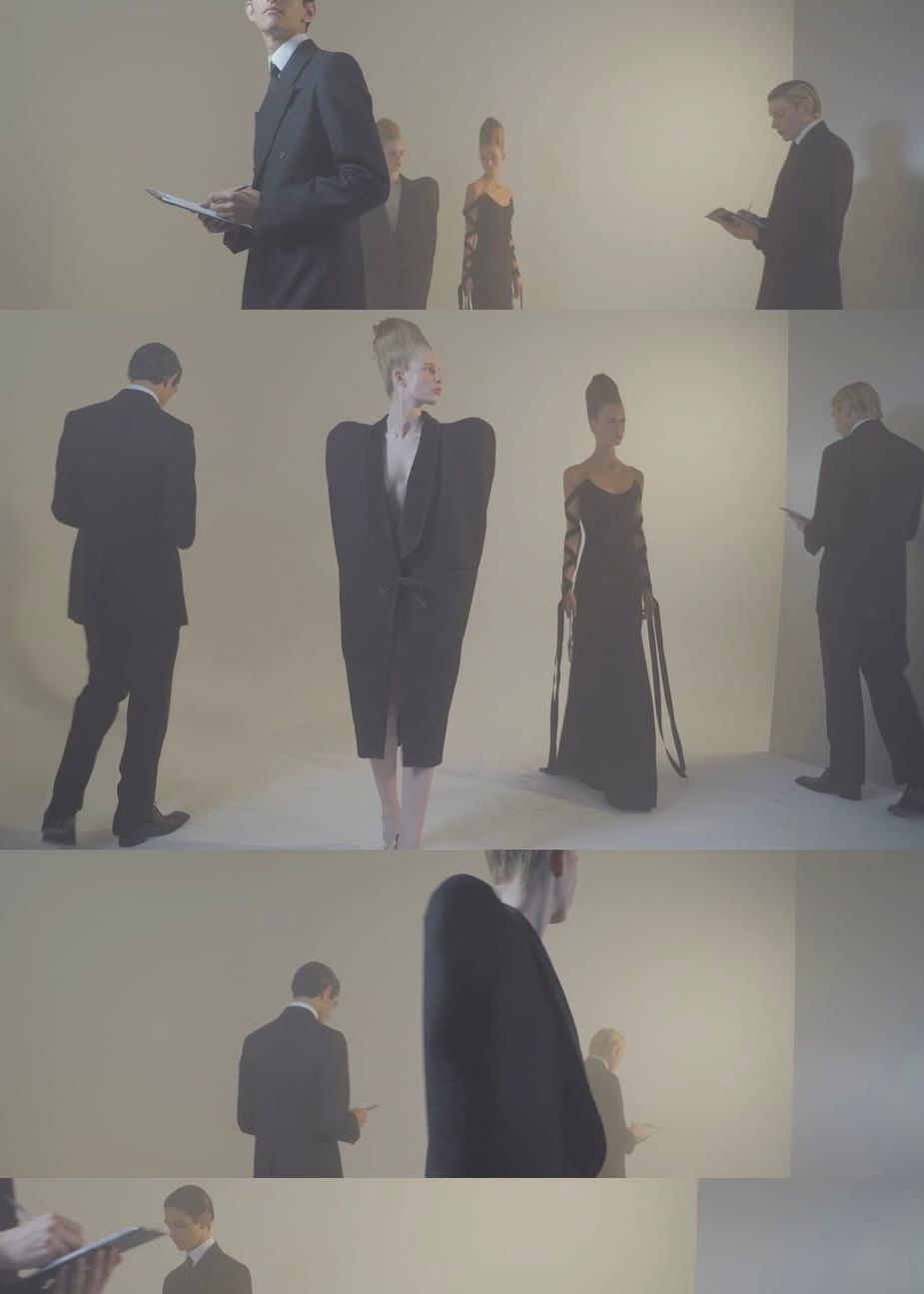
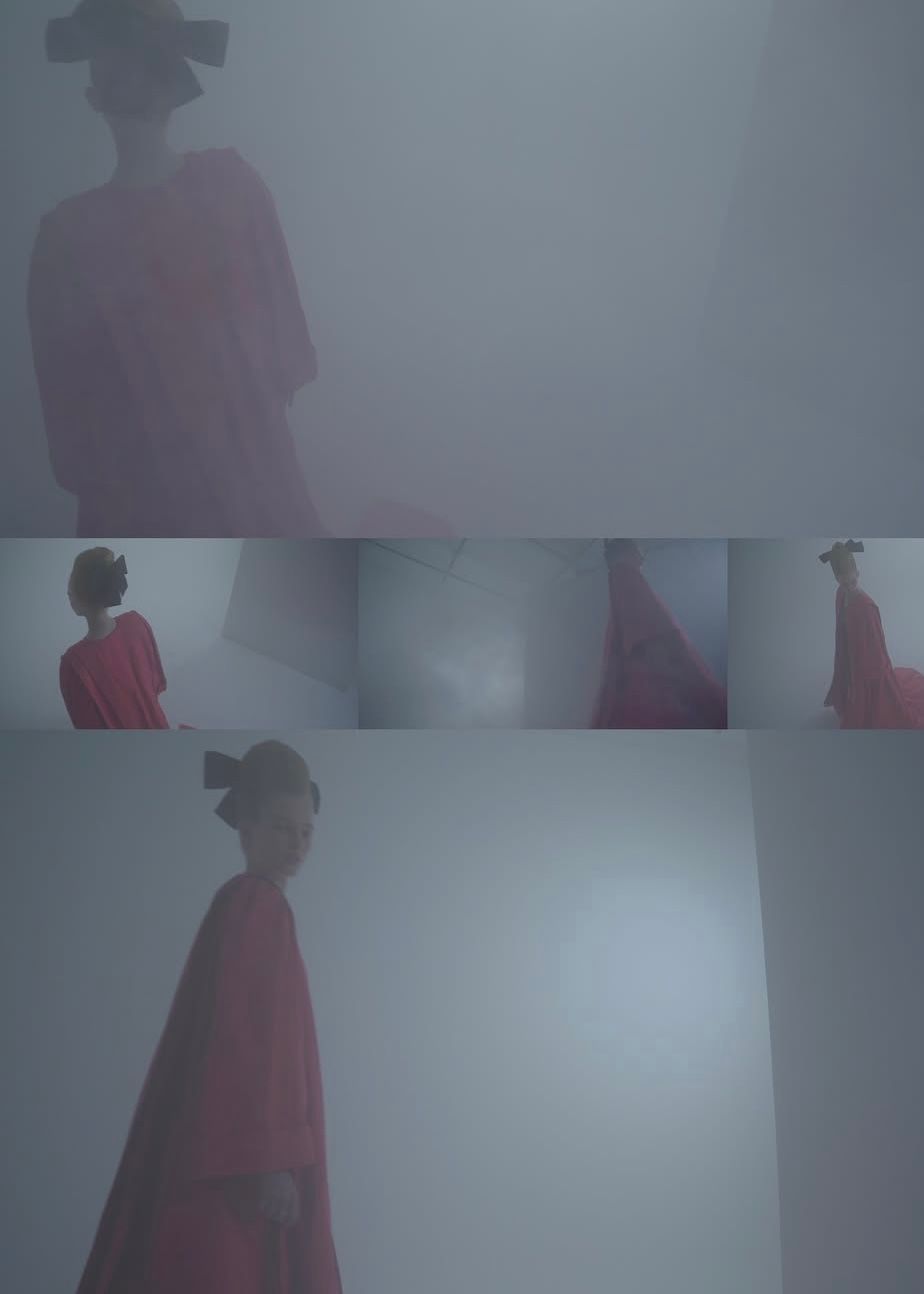
My visual code is a mix of brains and instinct. I usually go for dark tones and sharp shapes, like I am heading to a midnight lecture in an alternate universe. Sometimes it is a tracksuit, sometimes a vintage coat, but always with a mood. I wear glasses a lot, partly because I need them and partly because they make it very clear someone here is thinking. Or at least pretending to.
Which fashion eras or designers shape your aesthetic? Definitely Martin Margiela. There is something about that deconstructed clarity that just clicks with me. And if I had a fashion time machine I would park it somewhere between 1995 and 2005. That era had just the right amount of weird raw and genius energy like fashion knew exactly what it was doing and did not care if anyone else understood.
How do you relate to the concept of fashion as art? That is what fashion is built on. And honestly what could be more beautiful than creating art that people carry with them. They do not just look at it they live in it. Fashion lets ideas move through the world on real bodies in real time. That is what makes it feel alive.